Fayu Temple in Zhoushan How to Plan Your Visit

If you want a trip that mixes religion, history, and amazing design, zhoushan fayu temple is a great choice. This place in zhoushan brings people from many countries because it is calm and has strong ties to Chinese culture. People who live here say visiting fayu temple feels special compared to other places. Here is what makes it unique:
Feature | Description |
|---|---|
Original Name | It was first called Haichao An. It got the name Fayu Temple in 1699 after Emperor Kangxi gave it an imperial plaque. |
Architectural Layout | The buildings go up the hills in groups. This makes the temple look like it is flowing down the mountain. |
Notable Structure | Jiulong Hall was moved from the Ming Imperial Palace. It has the 'Nine-Dragon Azurite Ceiling'. |
Get ready to find secret details, hear local stories, and learn easy tips for your temple trip.
Key Takeaways
Fayu Temple is a calm place with a long history. It has beautiful buildings and is important to the culture. This makes it a great place to visit in Zhoushan.
Visit in spring, summer, or autumn for nice weather. There are also fewer people at these times. Go in the early morning or late afternoon for a quiet visit.
Wear comfy shoes and dress in a respectful way. This shows respect for the temple's rules. Bring water so you do not get thirsty while walking around.
You can use a travel agency like China Explorer Tour for an easy trip. They can help with rides, guides, and tips about the area.
Check out other places nearby like Puji Temple and Zizulin Zen Garden. This will make your trip better and help you learn more about the local culture.
Why Visit Zhoushan Fayu Temple
Fayu Temple’s History and Significance
When you enter zhoushan fayu temple, you step into a place with a long past. This temple is the second biggest out of 20 temples on putuoshan. People have come here for hundreds of years. It is an important stop for pilgrims. The temple began during the Ming Dynasty. Over time, it became a symbol of tradition. You can see how fayu temple helped shape the area’s culture and religion in many ways.
Contribution Type | Description |
|---|---|
Historical Significance | Founded in the Ming Dynasty, zhoushan fayu temple is the second largest temple on putuoshan. |
Architectural Features | The temple rises in layers along the mountain, giving it an ancient and peaceful look. |
Natural Surroundings | Old trees like dragon-phoenix cypress and ginkgo fill the gardens with a sacred atmosphere. |
Cultural Heritage | The Nine-Dragon Zaojing is a national treasure and a highlight of the temple’s heritage. |
Unique Features and Tranquil Atmosphere
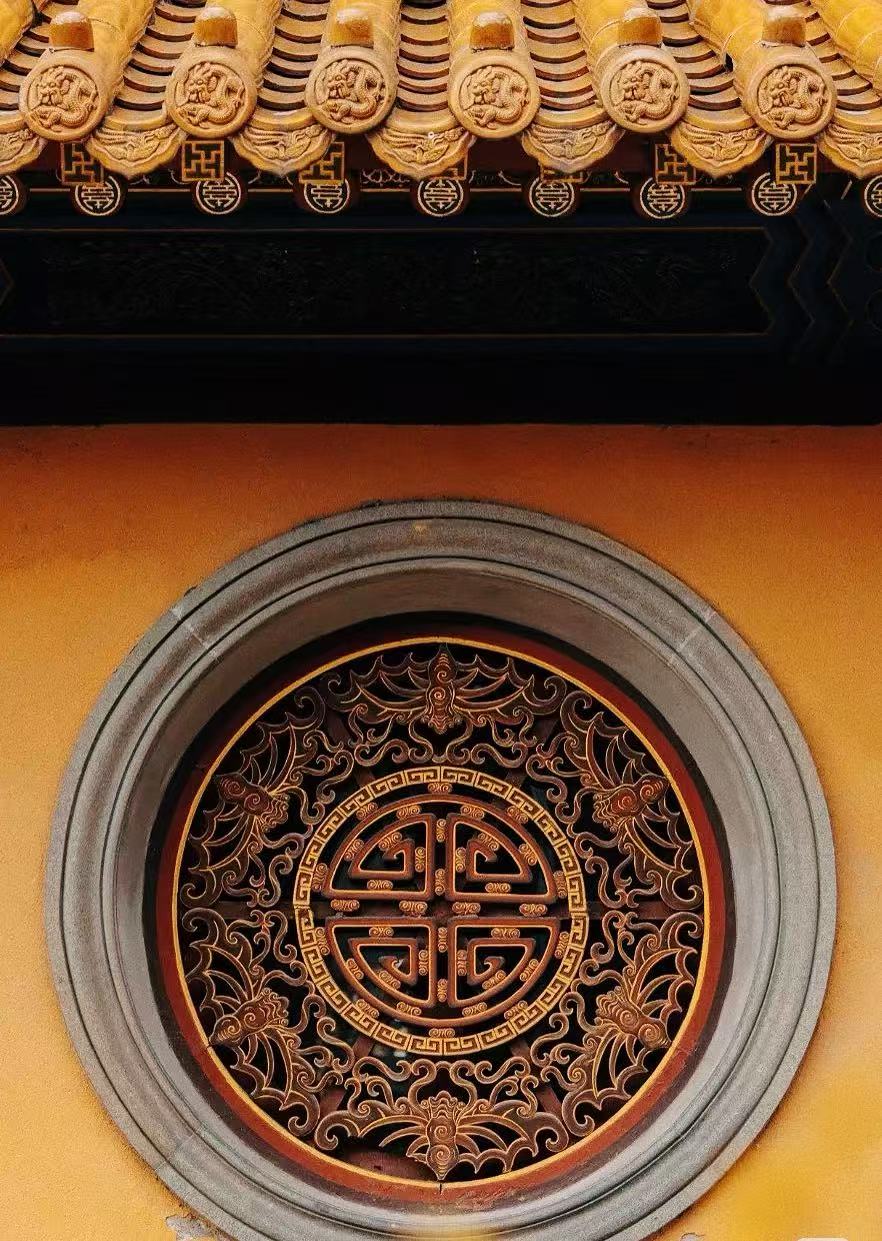
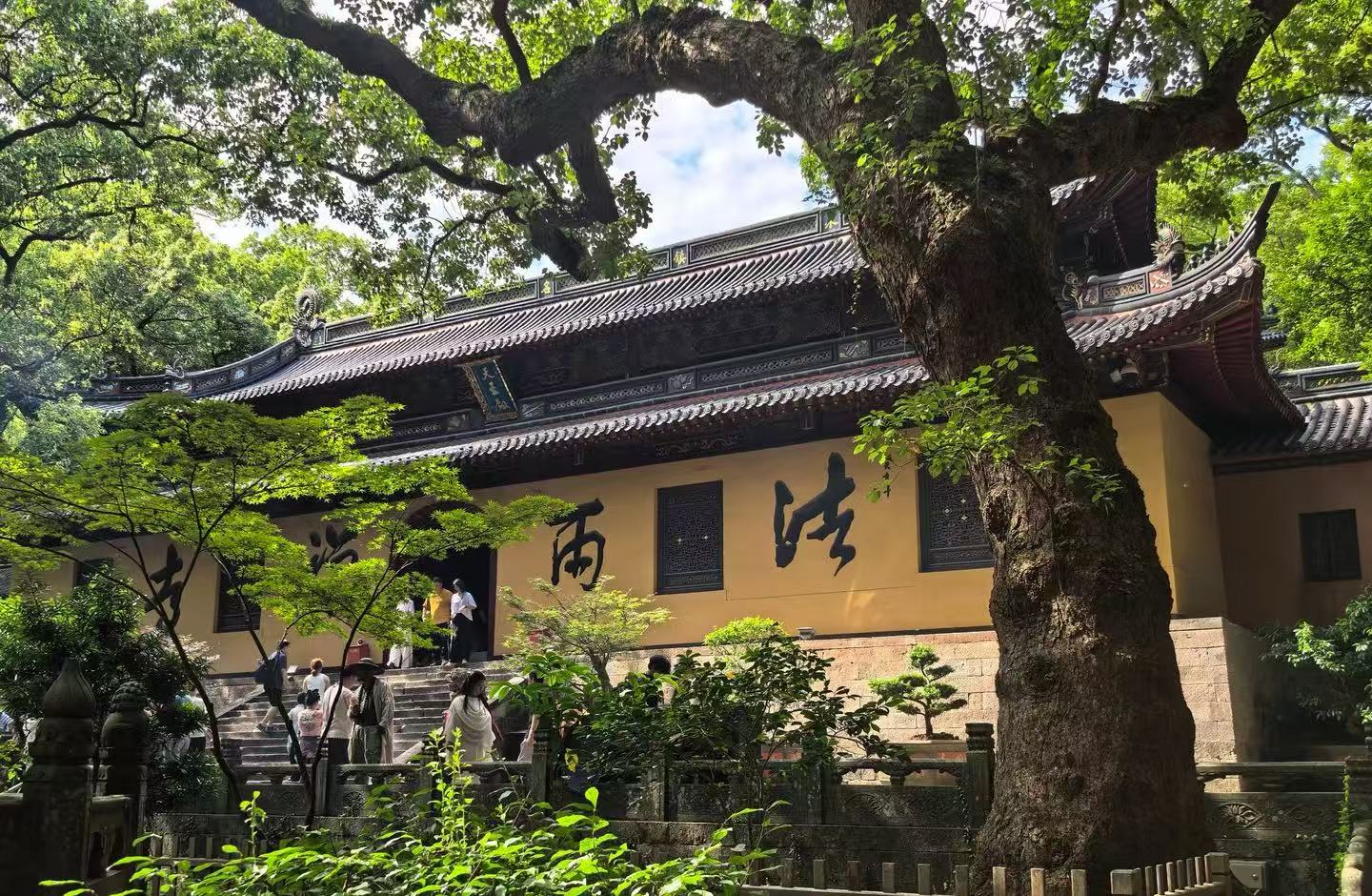
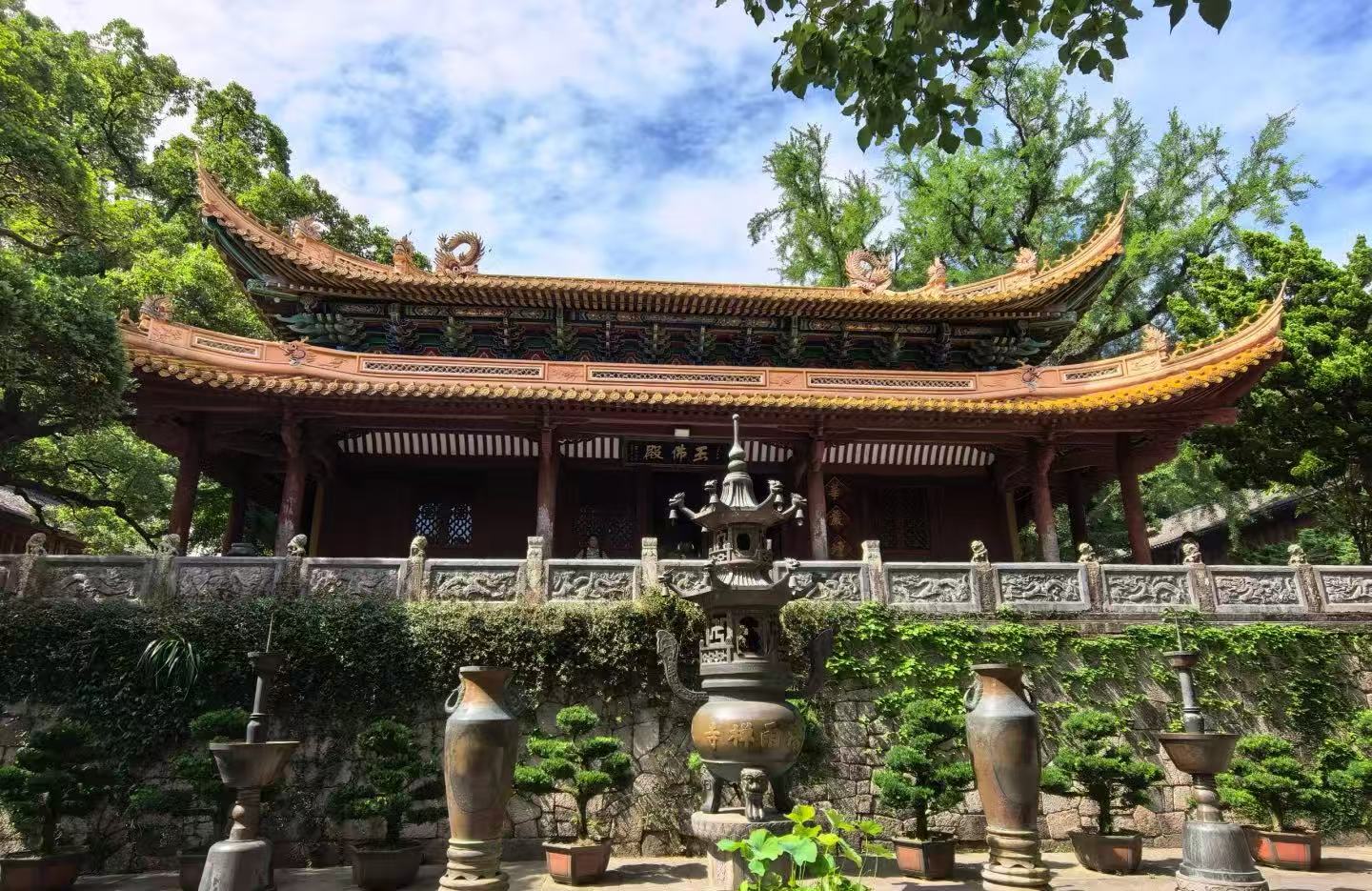
Fayu temple stands out from other temples on mount putuo. The buildings are built in steps that follow the mountain. There are six terraces, and each one feels special. The main hall is called Nine Dragons Hall. Its ceiling shows nine dragons playing with a pearl. This is rare in Chinese Buddhist buildings. There is also a Jade Buddha Hall. It has a two-meter statue made from Burmese jade. The skill in the temple’s design shows its rich history.
The temple uses beamless bracket structures and original glazed tiles from the Ming Dynasty.
The Nine-Dragon Caisson ceiling is famous for its detailed carvings.
The Jade Buddha Hall holds a sacred statue that draws visitors from all over zhoushan.
The temple feels calm and quiet. You can walk on pretty paths and enjoy peaceful times. The sunset from the hilltop is beautiful. Fayu temple is not as busy as other temples on mount putuo. This makes your visit feel more personal and special.
Location in Putuo Mountain Scenic Area
Fayu temple is in the middle of the Putuo Mountain Scenic Area. You can get there by walking or taking a short bus ride. The temple has views of the coast. It feels extra nice in the late afternoon. Fayu temple is smaller than Puji Temple. It stays open until about 5:30 or 6:00 in the evening. The entrance fee is CNY30. You need about 45 minutes to see everything. If you use a travel guide for putuoshan, you will find fayu temple easy to reach from main transport spots in zhoushan. This makes it a good place to visit if you want to see temples and learn about the area’s sacred history.
Getting to Fayu Temple
Reaching Zhoushan and Putuo Island
You have several ways to travel to zhoushan and putuoshan. If you come from a big city like Shanghai or Beijing, you can fly straight to Zhoushan Putuoshan Airport. The flight is quick and easy. After you land, you just need a short transfer to the ferry. You can also take a high-speed train to Ningbo Station. From there, hop on a bus for about two hours to reach Zhujiajian Wharf. If you prefer to drive, you can use a private car or bus from cities like Hangzhou. The drive takes about three to three and a half hours. Then, you catch a ferry to putuoshan.
Here’s a simple table to help you compare your transportation options:
Transportation Method | Description |
|---|---|
Flight | Direct flights to Zhoushan Putuoshan Airport from major cities like Shanghai (1 hr), Beijing (3 hrs), Guangzhou (2 hrs) with a short transfer to the ferry. |
High-Speed Train | Travel to Ningbo Station, then a 2-hour bus to Zhujiajian Wharf for the ferry. |
Ferry | Ferries from Baifeng Wharf to Putuoshan, with a travel time of about 10-20 minutes. |
Private Car/Bus | From nearby cities like Hangzhou or Jiaxing, it takes about 3-3.5 hours to reach the wharfs in Zhoushan, followed by a short ferry ride. |
Ferry, Cableway, and Walking Options
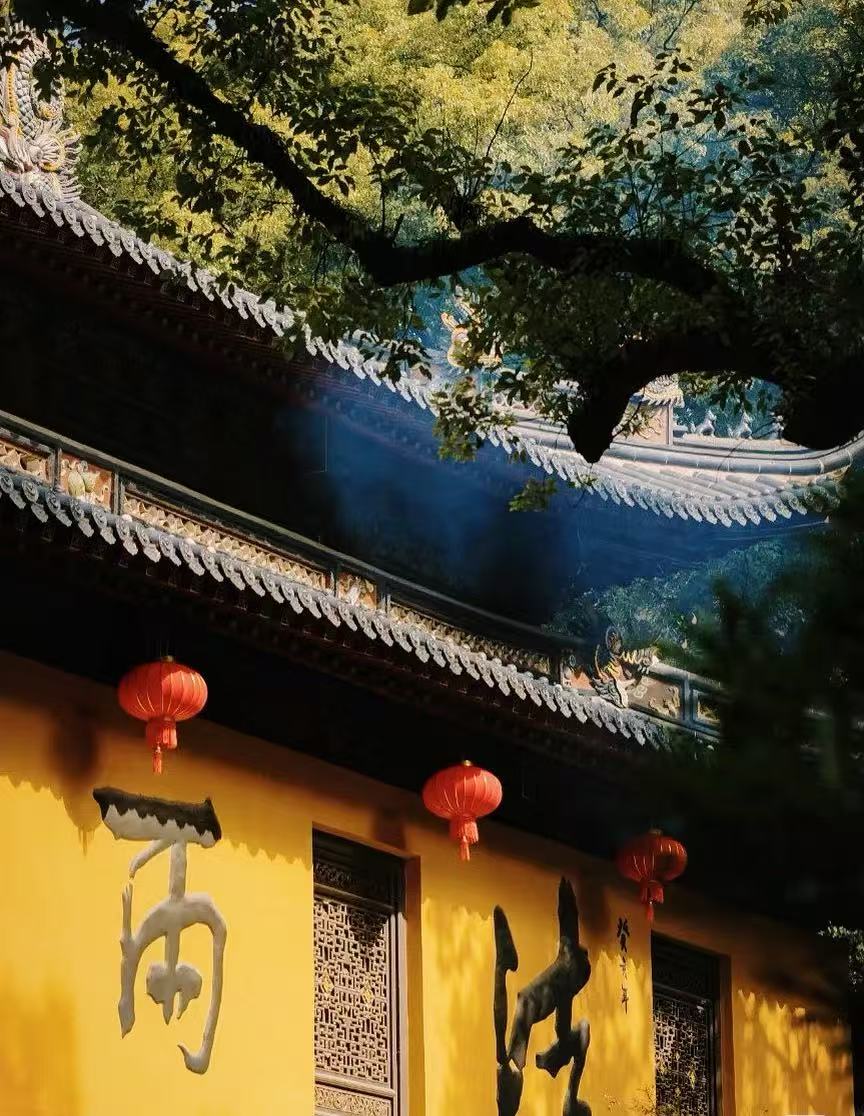
Once you reach zhoushan, you need to get to putuoshan by ferry. The ferry ride is short and gives you great views of the sea. When you arrive on putuoshan, you can choose how to travel to fayu temple. You can walk along peaceful paths, take a local shuttle bus, or even try the cableway for a fun ride up the mountain. Each option lets you see the island in a new way. If you want a smooth excursion, a local guide can help you pick the best route and share stories about the area.
China Explorer Tour’s Tailor-Made Travel
Planning your travel to fayu temple can feel tricky, especially if you are new to China. That’s where China Explorer Tour steps in. Our team helps you with every step, from booking transportation to arranging an english-speaking guide for your excursion. We know the best ways to get around zhoushan and putuoshan. You can relax while we handle the details. Many international visitors find it easier to use a travel agency like ours. We make sure you enjoy your trip, see hidden spots, and learn from local experts. With China Explorer Tour, your journey to fayu temple becomes simple and memorable.
Fayu Temple Guide for Visitors
Opening Hours and Admission
You want to make the most of your time at zhoushan fayu temple. The temple usually opens at 7:00 AM and closes around 5:30 or 6:00 PM. These opening hours give you plenty of time to explore the halls, gardens, and scenic spots. You can visit early in the morning for a quiet walk or come in the late afternoon for a peaceful sunset view.
The admission fee for fayu temple is CNY30 per person. This price lets you see all the main halls and enjoy the tranquil atmosphere. You do not need to pay extra for special exhibitions. Children under a certain height may enter for free, so check the latest information before you go.
Tip: Arrive early to avoid crowds and enjoy the calm of the temple grounds.
Ticketing and Contact Info
Buying tickets for fayu temple is simple. You can get your ticket at the entrance or use the official ticket machines near the gate. Most visitors pay in cash or use mobile payment apps like Alipay or WeChat Pay. If you travel with a group or use a local guide, they can help you with ticketing and answer questions about the temple.
Here’s a quick table with useful information:
Ticket Type | Price (CNY) | Where to Buy | Payment Methods |
|---|---|---|---|
Adult | 30 | Entrance, Machines | Cash, Alipay, WeChat |
Child (under 1.2m) | Free | Entrance | Cash, Alipay, WeChat |
If you need more information, you can ask at the visitor center near the main gate. Staff members speak basic English and can give you a map or a simple guide. You can also find contact numbers on the official Putuoshan tourism website. Local travel agencies in zhoushan, like China Explorer Tour, can help you plan your visit and answer questions about fayu temple.
Best Times to Visit Fayu Temple
You want your trip to be smooth and enjoyable. The best times to visit fayu temple are during spring, summer, and autumn. These seasons bring mild weather, blooming flowers, and clear skies. You can walk around the temple without feeling too hot or cold. The gardens look beautiful, and the mountain air feels fresh.
Try to avoid major Buddhist festivals and Chinese public holidays. During these times, putuoshan gets crowded, and you may have to wait in long lines. If you visit on a weekday, you will find fewer people and a more relaxed atmosphere. Early mornings and late afternoons are also great for quiet moments and good photos.
Note: Always check the weather forecast before you travel. Rain can make the stone paths slippery, so wear comfortable shoes.
A good guide can help you pick the perfect time for your visit. Local experts know the best days and can share tips about hidden spots in fayu temple. If you want a stress-free experience, consider booking your trip with a trusted travel company in zhoushan. They can handle all the details and give you up-to-date information.
You now have a complete fayu temple guide for your next adventure. With the right timing, ticketing, and travel tips, you can enjoy everything this sacred place has to offer.
What to See at Fayu Temple
Main Halls and Ancient Architecture
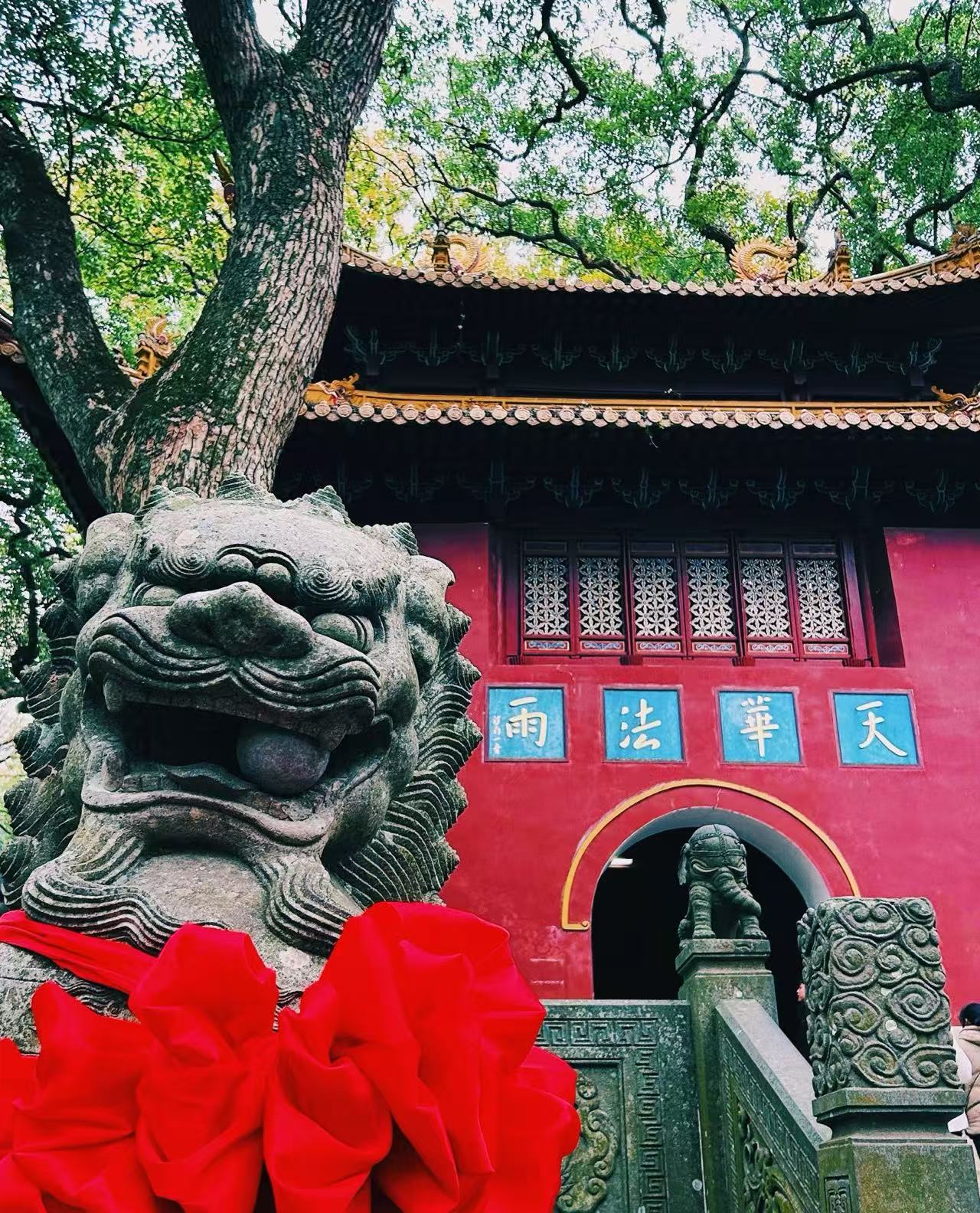
When you step into fayu temple, you see a world of history. The temple covers a huge area on putuoshan, with 294 preserved palaces arranged over six levels. You can start your visit at the Hall of Heavenly King. This hall welcomes you with bright colors and statues. Walk further and you reach the Hall of Jade Buddha. The jade statue stands tall and shines in the sunlight. The Bell Tower and Great Buddha's Hall show you the skill of ancient builders. Each hall has its own story. Your guide can share legends and facts that make the visit special.
Wood Carvings and Scenic Spots
You will find many noteworthy sights as you explore fayu. The Nine Dragon Hall, also called Avalokitesvara Hall, is famous for its nine dragon carvings. These carvings look alive and show the power of ancient art. The temple also has glazed tiles from the Ming Palace in Nanjing. These tiles are treasures from history. Here’s a quick look at some highlights:
Notable Feature | Description |
|---|---|
Avalokitesvara Hall | Known as the Nine Dragon Hall, famous for its intricate nine dragon carvings. |
Historical Context | Founded in 1580, the temple includes glazed tiles from the Ming Palace in Nanjing, a treasure. |
When you walk through the gardens, you see old trees and peaceful paths. The views of zhoushan and the coast are stunning. Your guide can point out the best spots for photos. The sunset from the temple steps is a moment you will remember.
Temple Activities and Local Experiences
You can join many activities at fayu temple. The temple sits on putuoshan and offers a calm place for prayer and reflection. You might hear the bell ring in the morning. Visitors often enjoy a visit to grand guanyin statue, which stands nearby and draws people from all over zhoushan. You can also explore other temples like Puji Temple and Huiji Temple. These places add to your journey and help you learn more about local life.
Walk through the multi-tiered complex and see large trees that give shade and peace.
Enjoy breathtaking landscapes on zhoushan island.
Take part in Buddhist rituals or simply watch monks as they go about their day.
Your guide can help you join a prayer or show you how to make a wish.
Fayu temple gives you a chance to slow down and connect with the spirit of putuoshan. You leave with memories of ancient halls, beautiful carvings, and the grand guanyin statue shining in the distance.
Tips for Visiting Fayu Temple
What to Bring and Wear
You want your visit to fayu temple to be comfortable and respectful. The temple sits on putuoshan, and you will walk a lot. The paths and steps can be steep. You should pack smart for your travel. Here’s a quick table to help you get ready:
Essential Item/Clothing | Description |
|---|---|
Comfortable Footwear | Important for walking and climbing the 1,088 steps to Foding Mountain. |
Modest Dress | Shoulders and knees should be covered to respect the temple's customs. |
Hydration | Bring water or be ready to purchase it, especially when climbing. |
You might want a hat or sunscreen if you travel in summer. A light jacket helps in spring or autumn. You can buy snacks and drinks near the entrance, but bringing your own water saves time.
Etiquette and Dos & Don’ts
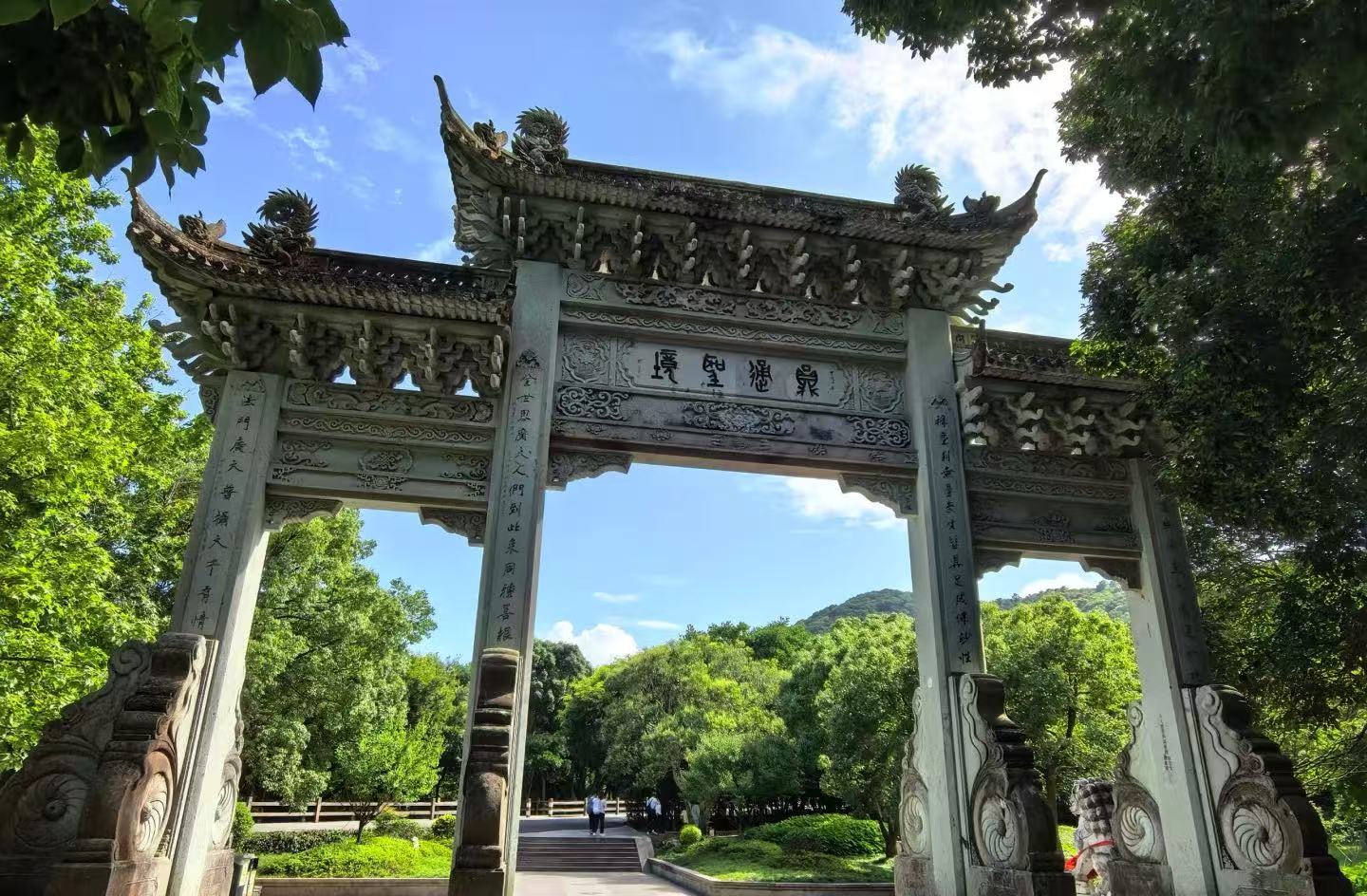
Fayu is a sacred place on putuoshan. You should follow local customs. When you enter a hall, take off your hat. Speak quietly. Photography is allowed in some areas, but not during prayers. Always ask before taking pictures of monks or worshippers. You should not touch statues or offerings. If you want to join a prayer, stand at the back and follow the group. Bowing is common, but not required. You can light incense at special spots. Use only the incense provided by the temple.
Tip: Smile and greet temple staff. A friendly attitude makes your travel experience better.
Accessibility and Facilities
Fayu temple welcomes all visitors. The main paths are paved, but some areas have steps. Wheelchair access is limited in older halls. You can find restrooms near the entrance and main halls. Drinking water is available at small shops. If you need help, ask staff at the visitor center. They speak basic English and know about putuoshan and zhoushan. Shuttle buses run between main sites, making travel easier for families and seniors. China Explorer Tour can help you plan your route and arrange guides who know the best ways to get around.
You now have practical tips for your travel to fayu temple. With the right gear, good manners, and local help, your visit to putuoshan will be smooth and memorable.
Enhance Your Trip with China Explorer Tour
Private Beijing Spiritual Tour: Yonghe Temple Experience
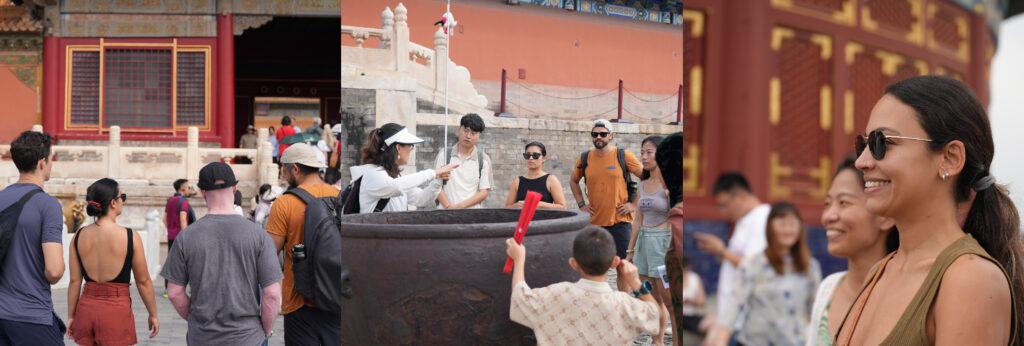
You can add another spiritual stop to your trip. The Private Beijing Spiritual Tour takes you to Yonghe Temple. Here, you join a real Buddhist blessing ritual. You learn about sacred symbols. You walk through quiet hutongs. This experience feels personal. It helps you understand Chinese traditions. If you like the peace and history at fayu, you will enjoy Yonghe Temple. The tour guide speaks English. They share stories that make each moment special.
Tailor-Made China Tours for Cultural Immersion
China Explorer Tour uses smart AI tools to plan trips. You get a custom itinerary that fits your style. If you want to explore putuoshan, you have special choices:
Try vegetarian meals made just for you in putuoshan.
Take a boat tour around putuoshan for great views.
Watch the 'Impression Putuo' show with music and dance to learn about local heritage.
These options help you see more than the main sights. You get a closer look at zhoushan and the culture near fayu. The China Explorer Tour team makes sure your travel is easy and full of surprises.
Social Connections and Authentic Local Life
You meet local people and other travelers on a China Explorer Tour. The guides know the history and culture of each place. You share travel stories and find hidden gems together. You might join a festival or walk through gardens and busy streets. You taste local food and learn how people live in putuoshan. These moments help you make friends and see real life behind the temples.
Tip: Ask your guide about local customs or events. You might find a special celebration during your stay.
China Explorer Tour helps you make memories that last. You get more than a tour. You join a community and experience the heart of China.
Explore More Around Fayu Temple
Puji Temple and Zizulin Zen Garden
You might want to see more after your visit to fayu. Putuoshan has other amazing spots that add depth to your journey. Here are two places you should check out:
Puji Temple: This temple sits in the heart of putuoshan. It is one of the largest and oldest temples on the island. You will find a peaceful lake beside it. The temple dates back to the Tang Dynasty. Many visitors love the calm setting and the rich history.
Zizulin Zen Garden: This garden offers beautiful views and a quiet space to relax. It is home to the earliest temple dedicated to the Goddess of Mercy. You can see the impressive 8.8-meter statue of the Nanhai Goddess of Mercy. The garden feels tranquil and lets you enjoy nature and spirituality together.
Tip: Bring your camera. The scenery around these sites is perfect for photos, especially in the morning light.
Suggested Itineraries and Nearby Eats
You can make your trip to putuoshan even better with a smart plan. Many travelers choose a 3-day zhoushan itinerary. This plan lets you visit fayu, Puji Temple, and other highlights on the mountain. You get time to explore history, nature, and local culture.
Another great option is the 4 Days Hangzhou Putuoshan Private Tour. This tour includes fayu and gives you a chance to see the best views and learn about the area’s traditions. You can enjoy guided walks and see hidden gems that most tourists miss.
When you get hungry, you will find small snack shops near the temple gates. These shops sell simple foods like noodles, steamed buns, and fresh fruit. There are not many fancy restaurants close to fayu, but you can try local vegetarian dishes at temple canteens. Ask your guide from China Explorer Tour for tips on where to eat. Their AI-powered planning tools help you discover local flavors and make your travel smooth.
Note: Try the vegetarian meals at temple canteens. They are tasty and reflect the Buddhist culture of putuoshan.
You can explore more, eat well, and enjoy every moment on putuoshan. With a good itinerary and local advice, your trip will be full of surprises.
Quick Planning Checklist
Getting ready for your visit to putuoshan and fayu can feel easy with a simple checklist. You want to make sure you have everything you need for a smooth day. Here’s a quick guide to help you plan your trip and enjoy every moment on zhoushan.
Pre-Trip Essentials
Before you set out for putuoshan, check these important items:
Book your tickets for the ferry and temple entry in advance if possible.
Pack your ID or passport. You may need it for ticket checks.
Download a translation app. This helps if you need to ask for directions or read signs.
Bring enough cash or set up mobile payment apps like Alipay or WeChat Pay.
Charge your phone and camera. You’ll want to capture the beauty of fayu and the views from putuoshan.
Check the weather forecast. This helps you decide what to wear and pack.
Confirm your travel plans with your guide or agency, especially if you use China Explorer Tour for your itinerary.
Tip: Keep a small backpack for your essentials. It makes moving around putuoshan much easier.
On-the-Day Reminders
When you arrive at putuoshan, a few simple steps will help you enjoy fayu and the island:
Wear comfortable shoes for walking. The paths and steps around fayu can be steep.
Dress modestly. Cover your shoulders and knees to show respect in the temple.
Bring a hat for sunny days. The sun can feel strong, especially near the sea.
Pack a light jacket. The breeze from the coast can make it cool, even in summer.
Carry a water bottle. Staying hydrated keeps you feeling good as you explore.
Arrive early. You’ll avoid crowds and have more time to enjoy the peaceful side of putuoshan.
Check your route. Shuttle buses and signs help you find your way between temples.
Note: If you have questions or need help, staff and guides on putuoshan are friendly and ready to assist.
With this checklist, you can focus on the beauty and spirit of fayu. Your travel to putuoshan will be smooth and full of great memories.
You can have a fun trip to Fayu Temple. Start your journey from big cities like Shanghai or Hangzhou. Spend two days seeing Putuoshan and nearby islands. This gives you a classic Buddhist tour. Use the checklist and tips to help your travel go well. If you want to learn more, China Explorer Tour can help. They offer special plans and expert guides. Look at the table below to see how they make your trip better.
Benefit | Description |
|---|---|
Customizable Itineraries | You pick your dates, group size, and what you like. |
Private Tours | Guides and cars are just for you. |
Cost-effective Packages | Everything is set up for a good price. |
Reliable Expertise | You get help and advice from skilled guides. |
Are you ready for your own adventure? Share your Fayu Temple tips or stories in the comments!
FAQ
How long should you spend at Fayu Temple?
You can see the main halls and gardens in about 45 minutes. If you want to join a prayer or take photos, plan for one to two hours.
Can you buy tickets online for Fayu Temple?
No, you need to buy tickets at the entrance or use the ticket machines. You can pay with cash or mobile apps like Alipay and WeChat Pay.
Is Fayu Temple wheelchair accessible?
Some areas have steps and steep paths. The main entrance and gardens are easier to reach. Staff can help you find the best route.
What is the best way to plan your visit?
You can use China Explorer Tour’s AI-powered planning tool. It helps you pick the best time, route, and activities for your trip.
Can you take photos inside Fayu Temple?
You can take photos in most outdoor areas. In some halls, you should ask first. Never take pictures during prayers or of monks without permission.