Essential Tips for Touring Xining Ta’er Monastery Kumbum Monastery

You can find xining ta’er monastery (kumbum monastery) near Xining. Here, history and spirituality are strong in Qinghai. This special place started in 1583. It honors Tsongkhapa. It is an important center for Tibetan Buddhism. See why ta’er monastery is a great place to visit:
Aspect | Details |
|---|---|
Historical Significance | Started by the third Dalai Lama. It connects to the Gelug school’s founder. |
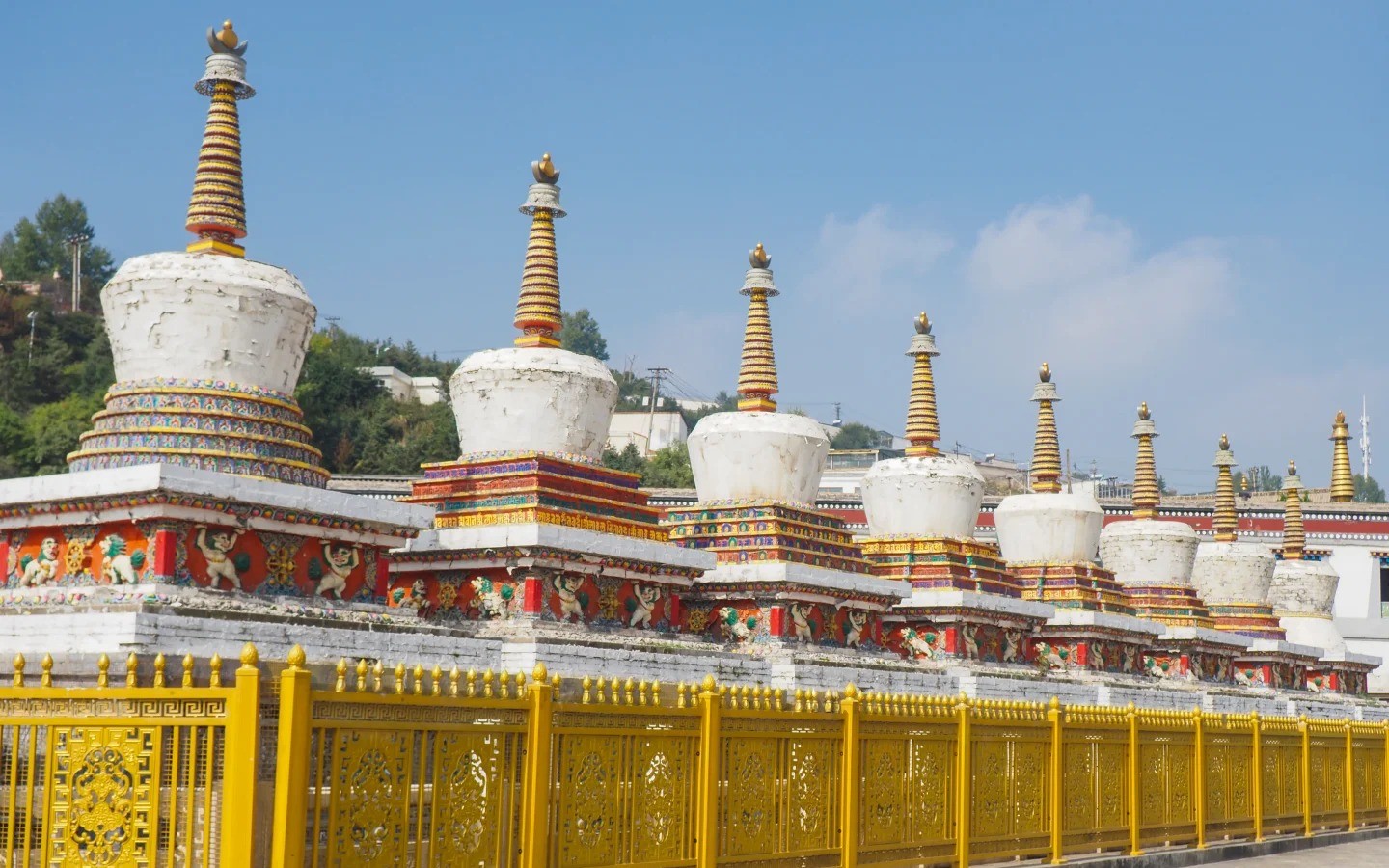
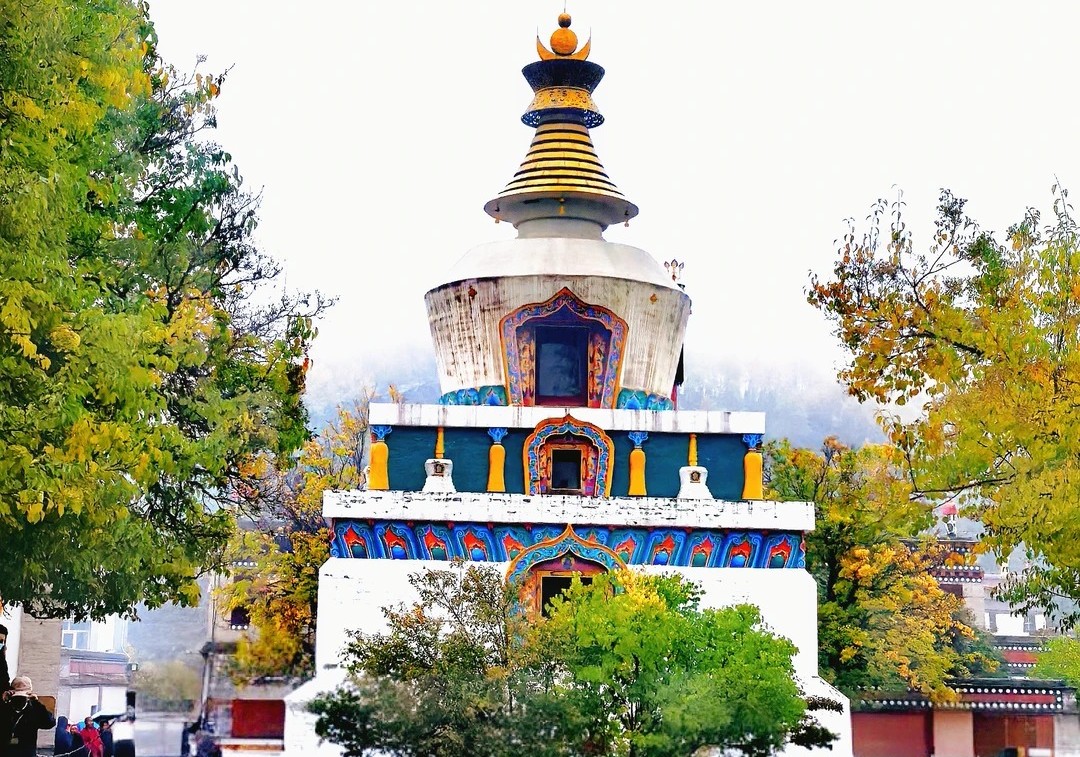
Architectural Features | Beautiful halls, murals, and a main stupa that matters in Buddhism. |
Cultural Role | It is a center for festivals, pilgrimages, and Tibetan Buddhist culture. |
You will see monks chanting and spinning prayer wheels. There are colorful festivals too. If you want to learn more, China Explorer Tour’s trips help you meet local people. These trips make your visit to kumbum monastery special.
Key Takeaways
Visit Ta’er Monastery between April and October for nice weather and fun festivals.
Take Bus 909 to get to the monastery easily and cheaply, or use a taxi if you want a more comfortable ride.
Go on a guided tour with China Explorer Tour to learn more and have a smooth trip. They help with tickets too.
Dress modestly and speak quietly to show respect for the monastery’s customs.
See the butter sculptures and murals early in the morning to enjoy the art without many people around.
Getting to Xining Ta’er Monastery (Kumbum Monastery)
Location and Access
You can find xining ta’er monastery (kumbum monastery) about 25 kilometers (16 miles) south of Xining. This spot sits in Huangzhong District, making it easy to reach from the city. Xining acts as a major transport hub, so you can get here by train from many cities, including Lhasa. If you start in downtown Xining, you will reach the monastery in about 40 minutes by car or 40–60 minutes by bus, depending on traffic.
Location | Distance from Xining |
|---|---|
Kumbum Monastery | 25 kilometers (16 miles) south of Xining |
Tip: If you want to know how to get to ta'er monastery, just remember it is a short ride from the city center. You do not need to worry about getting lost.
Transportation Options from Xining
You have several ways to reach ta’er. Choose what fits your style and budget:
Public Bus (Bus 909): This is the most popular choice for many travelers. Bus 909 leaves from Xining Railway Station and takes you straight to the entrance of ta’er monastery. The ride takes about 40 minutes and costs around 6 RMB. The bus runs often, so you do not need to wait long.
Shuttle Buses and Minibuses: You can find shuttle buses and minibuses at the Xining long-distance bus station. These vehicles head to Huangzhong and stop near the monastery. The trip usually takes 40–60 minutes and costs about 10 RMB. This option works well if you want a bit more comfort or travel with a group.
Taxi or Private Car: If you want speed and privacy, take a taxi or hire a private car. The ride from downtown Xining to ta’er takes about 20–40 minutes, depending on traffic. The cost is higher, usually between 80–120 RMB one way, but you get door-to-door service.
Tourist Shuttle: During peak seasons, some hotels and travel agencies offer tourist shuttles. These shuttles pick you up from your hotel and drop you off at the monastery. Ask your hotel if they have this service.
You can see that public transport is cheap and easy. Taxis and private cars give you more comfort and save time. If you travel with friends or family, sharing a car can be a good deal.
Guided Tours with China Explorer Tour
If you want a smooth and rich experience, you might like a guided tour. China Explorer Tour makes your visit to xining ta’er monastery (kumbum monastery) easy and special. Here is why:
Aspect | Guided Tour | Independent Travel |
|---|---|---|
Personal Attention | You get personal attention from a local guide. | You travel on your own. |
Expert Knowledge | Your guide explains the history, art, and spiritual meaning. | You may miss important stories. |
Structured Itinerary | The tour follows a clear plan, so you see all the highlights. | You might feel lost or rushed. |
Admission Fee | The tour includes your ticket, so you do not worry about buying one. | You must buy your own ticket. |
Cultural Understanding | You learn about the deep meaning of ta’er. | You may not understand the full story. |
China Explorer Tour uses smart AI-powered tools to help you plan and book your trip. This technology matches your interests and needs, so you get a tour that fits you. You do not need to worry about language or missing out on hidden gems. The guides know the best times to visit, how to avoid crowds, and how to make your travel smooth. Many tourists say that a guided tour helps them enjoy ta’er more and learn things they would not find on their own.
Note: If you want to focus on the experience and not the details, a guided tour is a great choice. You can relax and let the experts handle the rest.
Essential Visitor Info for Ta’er Monastery
Opening Hours and Entry Fees
You want to make the most of your visit to xining ta’er monastery (kumbum monastery). Knowing the opening hours and ticket prices helps you plan your day. The monastery welcomes visitors all year. The schedule stays the same, but ticket prices change with the season.
Season | Opening Hours | Ticket Price |
|---|---|---|
April - October | 07:30 ~ 18:30 | 70 RMB |
November - March | 07:30 ~ 18:30 | 40 RMB |
If you visit between April and October, you pay 70 RMB for a ticket. From November to March, the price drops to 40 RMB. The gates open early, so you can enjoy the peaceful morning air and see monks start their day. The monastery closes at 6:30 pm, so you have plenty of time to explore the halls and art.
You can also save money if you are a student or a senior. Here is a quick look at the discounts:
Category | Fee |
|---|---|
General Admission | ¥70 |
Students/Seniors | ¥35 |
Children under 1.2m | Free |
Bring your student ID or proof of age if you want the discount. Children under 1.2 meters get in for free. This makes ta’er a good choice for families.
Ticketing and Access Rules
You need a ticket to enter the main areas of ta’er monastery. Buy your ticket at the entrance or use the self-service machines. The staff checks your ticket before you walk into the main halls. Some smaller chapels or special exhibitions may ask for an extra fee, but most of the important sites are included in your main ticket.
Keep your ticket with you during your visit. You may need to show it again if you leave and come back. The ticket covers the main halls, the famous butter sculpture hall, and the art galleries. If you join a guided tour with China Explorer Tour, your ticket is usually included. This saves you time and helps you avoid long lines.
Tip: The monastery can get busy during festivals or weekends. Try to arrive early to enjoy the art and peaceful atmosphere before the crowds.
On-Site Facilities
You will find helpful facilities at ta’er monastery. Clean restrooms sit near the entrance and inside the main complex. You can buy snacks, bottled water, and simple meals at small shops and food stalls outside the gates. Some stalls sell local Tibetan bread and milk tea, which give you a taste of the region.
If you want to rest, look for benches and shaded spots in the courtyards. The paths are mostly flat, so you can walk easily. Some areas have steps, but most visitors can get around without trouble. If you need help, ask the staff or your guide.
You can also find small souvenir shops that sell prayer flags, beads, and art inspired by Tibetan buddhism. These make nice gifts or keepsakes. The monastery does not have a large restaurant, but you can find more food options in the nearby town.
If you want a smooth visit, China Explorer Tour can help you with tickets, guides, and local tips. Their AI-powered planning tools match your interests, so you do not miss the best art or hidden corners of ta’er. You get more time to enjoy the beauty and culture.
Note: The monastery is a sacred place. Please keep your voice low and respect the monks and worshippers during your visit.
Highlights at Ta’er Monastery
Butter Sculptures and Murals
You will see some of the most amazing art at xining ta’er monastery (kumbum monastery). The butter sculptures look almost too perfect to be real. Monks shape yak butter into bright flowers, animals, and scenes from Buddhist stories. These sculptures show the skill and patience of the artists. You can also find colorful murals on the walls. These paintings tell stories from Tibetan buddhism and show daily life in the monastery. The art here feels alive. You might even smell the butter as you walk by the displays. Many tourists say this is their favorite part of the ta’er experience.
Tip: Visit the butter sculpture hall early in the day. The light makes the colors shine, and you can avoid the crowds.
Main Halls and Sacred Sites
You should not miss the main halls when you travel to ta’er. Each hall has its own story and art. Here are the top places to see:
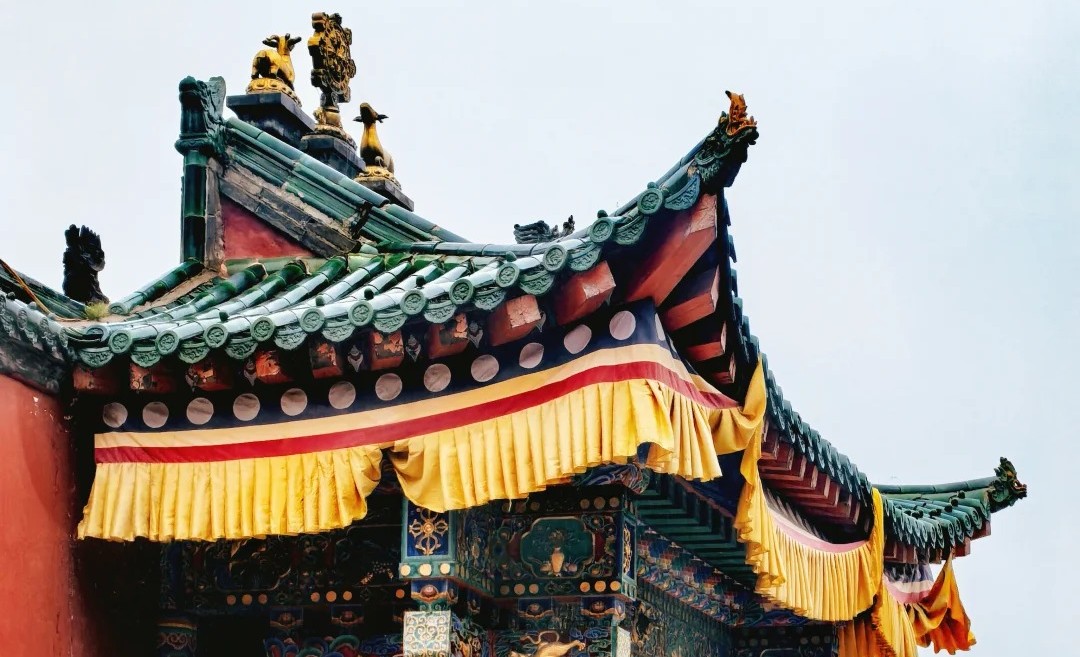
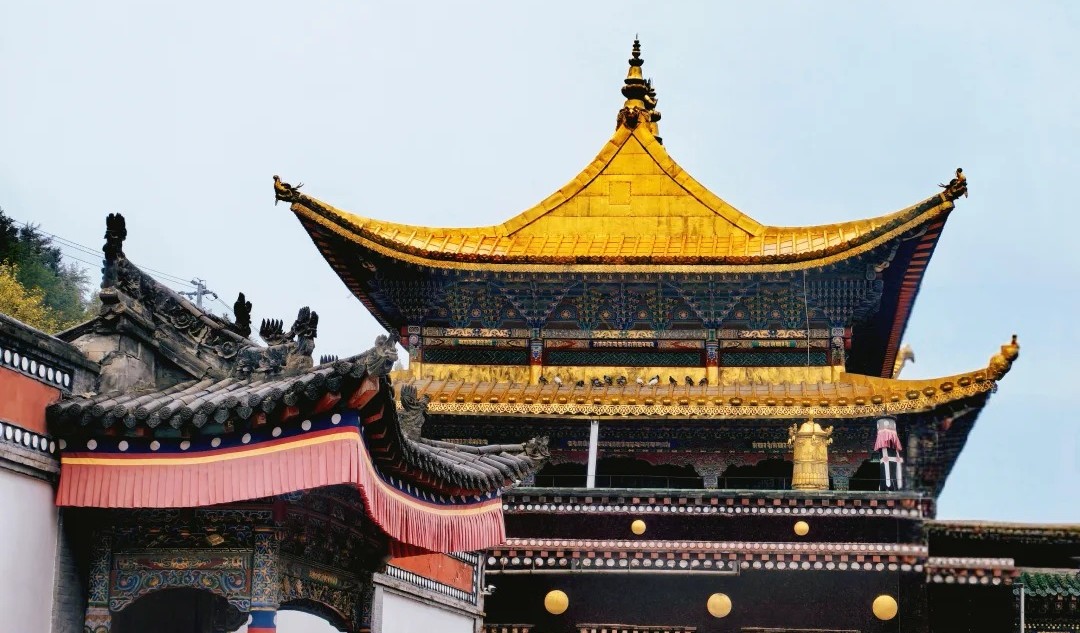
Great Golden Roof Hall: This hall holds the silver reliquary of Tsongkhapa, the founder of the Gelug school of Tibetan buddhism. The golden roof shines in the sun and draws many visitors.
Great Sutra Hall: Monks gather here to chant and study. You can hear the deep voices and feel the peaceful energy.
Sacred Tree: This tree stands at the heart of the monastery. It marks the birthplace of Tsongkhapa and links to the founding legend of ta’er.
Barbola and Thangka Embroidery: Look for these special art pieces in the halls. The embroidery uses bright threads to show Tibetan stories and symbols.
You will find more than 30 temples and colleges in the valley. Each one adds to the rich art and history of ta’er monastery.
Religious Ceremonies and Festivals
If you want to see ta’er come alive, plan your visit during a festival. The monastery hosts many important events each year. Here are some highlights:
Monlam Prayer Festival (January–February): This 15-day event fills the halls with chanting, dancing, and butter sculpture displays.
Saka Dawa (May–June): Pilgrims walk around the monastery to honor Buddha’s birth, enlightenment, and death.
Tsongkhapa Memorial (October 25th): Monks hold candlelit processions and chant all night to remember their founder.
New Year’s Eve Ceremonies (December 31st): Fire rituals help bring good luck for the new year.
You can join the crowd, watch the art, and feel the spirit of Tibetan culture. China Explorer Tour can help you plan your trip around these festivals. Their AI-powered tools match your interests, so you get the best experience at ta’er.
Planning Your Ta’er Travel Experience
Best Times to Visit
You want your travel to ta’er monastery to be special. The best time to visit is from April to October. The weather feels mild, and the sky looks clear. You can see the art and join lively festivals. Spring brings fresh colors, while summer gives you cool mountain air. Fall shows golden leaves around the monastery. Winter is quiet and peaceful, but you need warm clothes. If you love festivals, check the calendar for major Tibetan buddhism events. Early mornings help you avoid crowds and enjoy the art in soft light.
Suggested Itineraries and Duration
You should plan at least three hours for your visit. This gives you time to see the main halls, the golden roofs, and the famous art. If you want a deeper experience, join a guided tour. China Explorer Tour offers tailored itineraries that match your interests. You can choose a quick half-day trip or a full-day journey with more art and stories. Their AI-powered planning tools help you find the best route and activities for your travel style.
Combining with Nearby Attractions
You can make your trip even better by adding nearby sights. Here’s a sample three-day plan:
Start in xining. Visit ta’er monastery and explore the local night market.
Head to Qinghai Lake for stunning views and Tibetan culture. Continue to Chaka Town for a taste of local life.
Visit Chaka Salt Lake, then return to xining for your departure.
China Explorer Tour can help you blend these stops into one smooth travel experience. You get to see art, nature, and Tibetan traditions all in one trip.
What to Bring and Wear
Pack smart for your visit. The weather can change fast, so wear layered clothing. Bring a windproof jacket and warm clothes, especially in the morning or evening. The sun feels strong at high altitude, so use sunscreen, sunglasses, and a hat. Carry moisturizer and lip balm to protect your skin. Snacks and a reusable water bottle keep you comfortable as you explore the art and courtyards. Respect the monastery by dressing modestly—cover your shoulders and knees. These travel planning suggestions help you enjoy every moment.
Tip: China Explorer Tour’s guides know what to bring and how to dress for each season. You can relax and focus on the art and Tibetan culture.
Tour Type | Description |
|---|---|
Tibetan Culture Explorations | Join guided tours and hands-on activities to learn about Tibetan heritage. |
Scenic Hikes | Walk around Qinghai Lake and enjoy breathtaking landscapes. |
Spiritual Retreats | Take part in peaceful retreats at ta’er monastery for personal reflection. |
You can pick the experience that fits your interests. Every trip brings you closer to the art, history, and spirit of Tibetan buddhism.
Etiquette and Safety at Ta’er Monastery
Dress Code and Behavior
You want to show respect when you visit Ta’er Monastery. Wear modest clothes. Cover your shoulders and knees. Long pants or skirts work best. Avoid shorts, tank tops, or flashy outfits. Choose comfortable shoes because you will walk a lot.
Keep your voice low. The monastery is a place for prayer and study. Walk slowly and do not run. If you see monks or worshippers, step aside and let them pass first. Smile and nod if you want to greet someone.
Tip: If you join a China Explorer Tour, your guide will remind you about the dress code and help you blend in.
Photography Guidelines
You can take photos in many outdoor areas. Some halls and art displays do not allow cameras. Look for signs or ask your guide before you snap a picture. Never use flash inside the halls. Flash can damage old murals and disturb people who are praying.
If you want to take a photo of a monk or worshipper, always ask first. Some people do not want their picture taken. Respect their wishes.
Allowed Areas | Not Allowed Areas |
|---|---|
Courtyards | Main prayer halls |
Outside murals | Butter sculpture hall |
Gardens | During ceremonies |
Respecting Monks and Worshippers
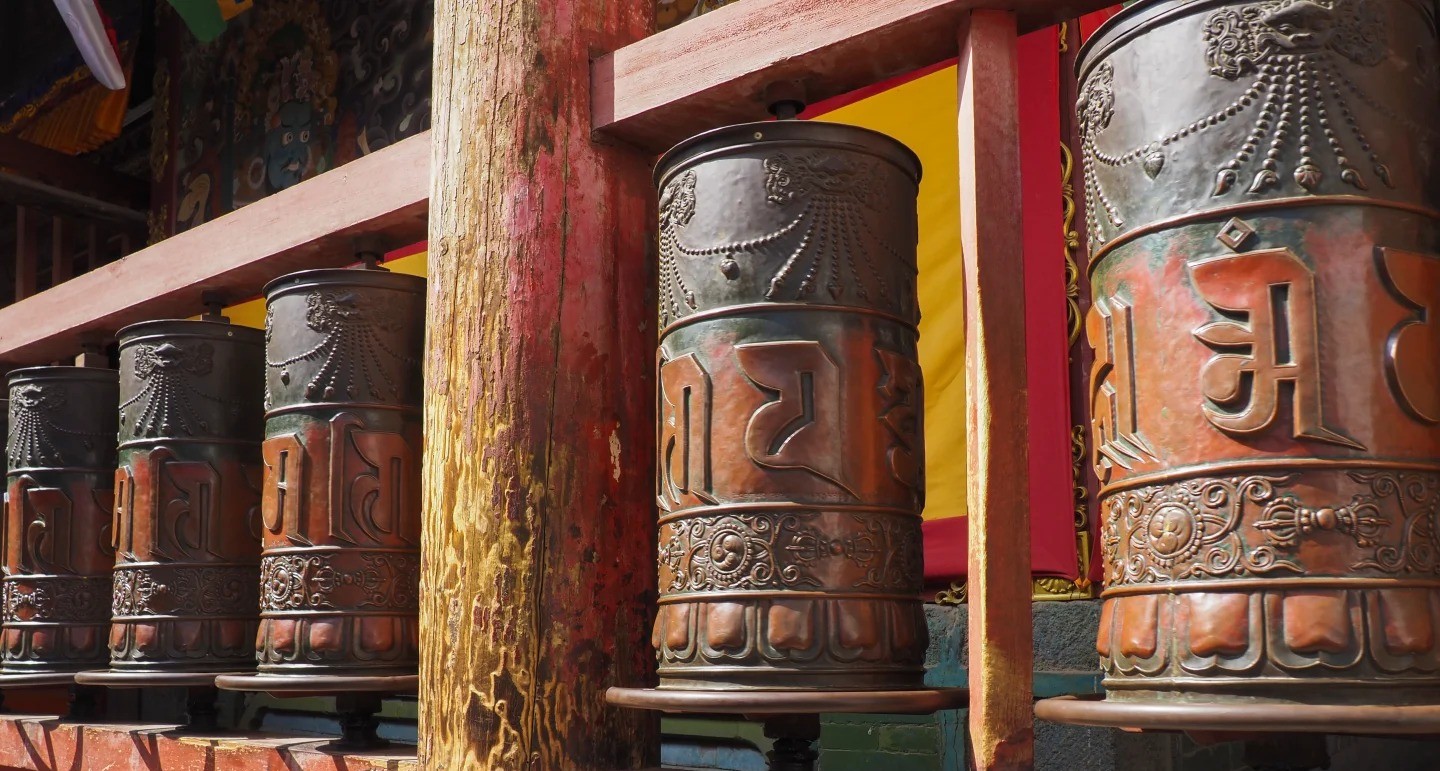
You will see monks chanting, walking, or spinning prayer wheels. Give them space. Do not interrupt their prayers. If you want to watch a ceremony, stand quietly at the back. Never touch the prayer wheels or offerings unless a monk invites you.
If you have questions, ask your guide. China Explorer Tour guides know the customs and can explain what you see.
Health and Safety Tips
Ta’er Monastery sits at a high altitude. Drink water often to stay hydrated. Bring sunscreen and a hat because the sun feels strong. If you feel dizzy, rest in the shade.
Watch your step on stone paths. Some areas can be slippery, especially after rain. Keep your bag zipped and your valuables close.
Note: If you travel with China Explorer Tour, your guide will help with health tips and first aid if needed. You can relax and enjoy your visit.
You want your trip to Ta’er Monastery to go well and feel special. Here are some helpful tips:
Wear long sleeves and modest clothes.
Use sunscreen and wear a hat.
Choose comfortable shoes for walking.
Bring snacks or light food with you.
Dress in layers because the weather changes.
If you plan ahead, your visit will be easier. China Explorer Tour’s smart tools help you:
Benefit | Description |
|---|---|
Expert Help | Local guides tell stories and share history. |
Easy Transport | You get simple rides to the monastery. |
Planned Activities | You see all the best spots without worry. |
Enjoy the culture, plan wisely, and let your trip inspire you!
FAQ
How do I buy tickets for Ta’er Monastery?
You can buy tickets at the entrance or use self-service machines. If you book with China Explorer Tour, your guide handles everything. This makes your cultural journey easy and stress-free.
Can tourists join religious ceremonies?
Tourists can watch ceremonies, but only pilgrims wishing to participate may join certain rituals. Ask your guide about the schedule and rules. Respect the spiritual center and follow instructions.
What should I wear when visiting?
Wear modest clothes. Cover your shoulders and knees. Comfortable shoes help you walk around. If you join a guided tour, your guide will remind you about the dress code.
Is Ta’er Monastery accessible for people with mobility issues?
Most paths are flat and easy to walk. Some areas have steps. If you need help, ask staff or your guide. China Explorer Tour can arrange special support for your visit.
How can I plan my trip to avoid crowds?
Visit early in the morning or during weekdays. Use China Explorer Tour’s AI-powered planning tools to find the best time. You get a smoother experience and see more art.