Shanxi Xiantong Temple Guide to Stunning Architecture and Hidden Features

You step into Shanxi Xiantong Temple and feel the cool stone under your feet. Golden sunlight filters through ancient trees, casting patterns on red walls and curved roofs. You notice how the temple’s design stands out from other Buddhist sites. Every corner tells a story of history, art, and deep spiritual meaning. As you explore, you find grand halls and tiny, hidden carvings that invite you to look closer.
Key Takeaways
Walk along the temple's main path to feel calm and balanced. This design shows Buddhist beliefs and helps you on your spiritual path.
Go to the main halls like Guanyin Hall and Great Buddha Hall to learn about kindness and wisdom. Each hall teaches you something special about Buddhism.
Spend time in the courtyards to rest and think. These quiet places make your visit better and help you see the temple's beauty.
Search for small things like tiny carvings and wall paintings. These little details tell stories and make your visit more interesting.
You can join a guided tour with China Explorer Tour for a better visit. Guides tell stories and help you find hidden things.
Shanxi Xiantong Temple Layout
Central Axis and Symmetry
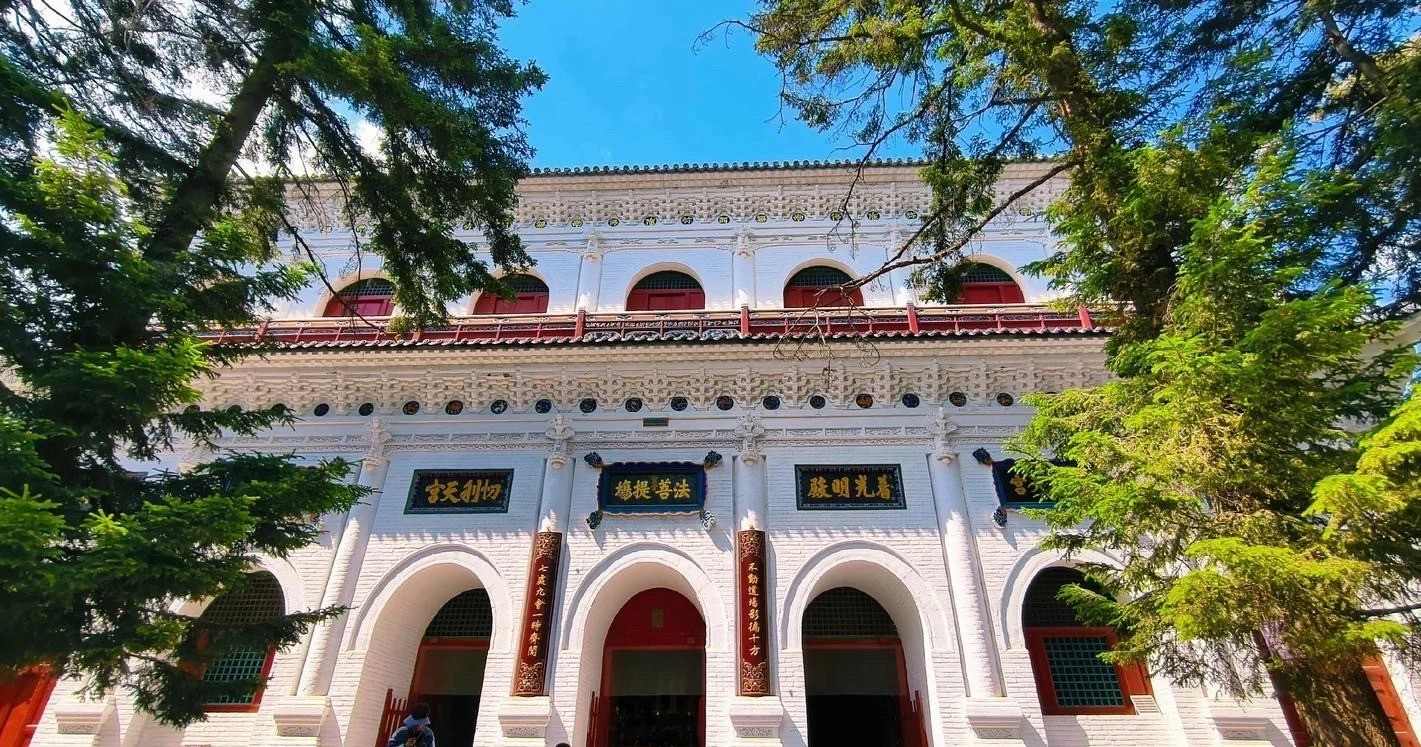
When you enter Shanxi Xiantong Temple, you notice a clear sense of order. The temple follows a traditional Chinese layout with a strong central axis. This axis runs from the main entrance straight through the heart of the temple. Each building lines up along this path, creating a feeling of balance and harmony. The left and right sides mirror each other, showing the importance of symmetry in Buddhist architecture. This design helps you feel calm and focused as you walk deeper into the temple grounds.
The central axis does more than guide your steps. It reflects Buddhist ideas about order and the journey toward enlightenment. As you move forward, you pass through gates and halls that mark your progress. Each step brings you closer to the spiritual center of the temple.
Tip: Stand at the main gate and look straight ahead. You will see how each hall and courtyard lines up perfectly, drawing your eyes and mind forward.
Main Halls Overview
As you explore Shanxi Xiantong Temple, you find several important halls along the central axis. Each hall has a special purpose and history. Here are the main halls you will encounter:
Guanyin Hall: This hall honors the bodhisattva of compassion. Many visitors stop here to offer prayers for kindness and mercy.
Great Manjusri Hall: Dedicated to Manjusri, the bodhisattva of wisdom. The hall inspires visitors to seek knowledge and understanding.
Great Buddha Hall: This is the spiritual heart of the temple. Inside, you see a large statue of the Buddha, a symbol of peace and enlightenment.
Wuliang Hall: Known for its unique design, this hall enshrines Amituofo, the Buddha of Infinite Light.
Qianbo Hall: Built during the Ming dynasty, this hall houses a statue of Wenshu, another name for Manjusri.
Copper Hall: Made entirely of copper, this hall stands out for its craftsmanship and history.
Buddhist Texts Library: Here, you find important Buddhist scriptures. Monks and visitors come to study and reflect.
Each hall invites you to pause and learn. The arrangement of these halls along the central axis helps you understand the temple’s spiritual journey. You start at the entrance and move through spaces that teach compassion, wisdom, and peace.
Courtyards and Spatial Flow
Between the main halls, you walk through open courtyards. These spaces let in sunlight and fresh air. The courtyards give you a place to rest and reflect before entering the next hall. Trees, flowers, and stone paths fill these areas, adding beauty and calm.
The flow from one courtyard to the next feels natural. You never feel rushed. Instead, the layout encourages you to slow down and enjoy each moment. The courtyards also help control the movement of people, making the temple feel peaceful even when many visitors arrive.
The design of Shanxi Xiantong Temple uses space to guide your experience. The central axis, main halls, and courtyards work together to create a journey. You move from the outer world to the inner heart of the temple, learning and growing with each step.
Architectural Highlights
Great Buddha Hall and Sakyamuni Statue
You stand before the Great Buddha Hall and feel the weight of history. This hall is one of the oldest and most important buildings at Shanxi Xiantong Temple. The hall’s design and purpose have changed over centuries, but its spiritual heart remains strong. You can see the Sakyamuni statue, which draws visitors from around the world. The statue sits in the center, calm and peaceful, inviting you to pause and reflect.
Here is a table to help you understand the main features of the Great Buddha Hall:
Feature | Description |
|---|---|
Historical Background | Established in the Eastern Han dynasty (25–220), making it the oldest temple at Mount Wutai. |
Main Halls | Includes seven main halls along the central axis, with the Great Buddha Hall being one of them. |
Construction Period | Most buildings were constructed during the Ming and Qing Dynasties. |
Unique Architectural Style | The Great Buddha Hall is part of a series of halls that showcase unique architectural styles. |
Cultural Relics | The Copper Hall contains ten thousand small Buddha statues, showing exquisite craftsmanship. |
Notable Inscriptions | The brass bell in the Bell Tower features over ten thousand words of Buddhist inscriptions. |
When you join a China Explorer Tour, guides will share stories about the hall’s history and point out details you might miss on your own. You will learn how the hall’s design reflects Buddhist beliefs and see how each element fits into the temple’s larger story.
Bronze Hall and Pagoda
You walk toward the Bronze Hall and notice its shining surface. This hall is made almost entirely of bronze, which makes it rare and special. Inside, you find tens of thousands of small Buddha statues. Each one shows careful work and devotion. The Bronze Hall stands as a symbol of faith and skill.
In front of the temple, you see the bell tower. The Changming Bell hangs here. This is the largest bronze bell on Mount Wutai. The bell is covered with a Buddhist scripture that has over 10,000 characters. When the bell rings, its sound fills the air and reminds you of the temple’s long history.
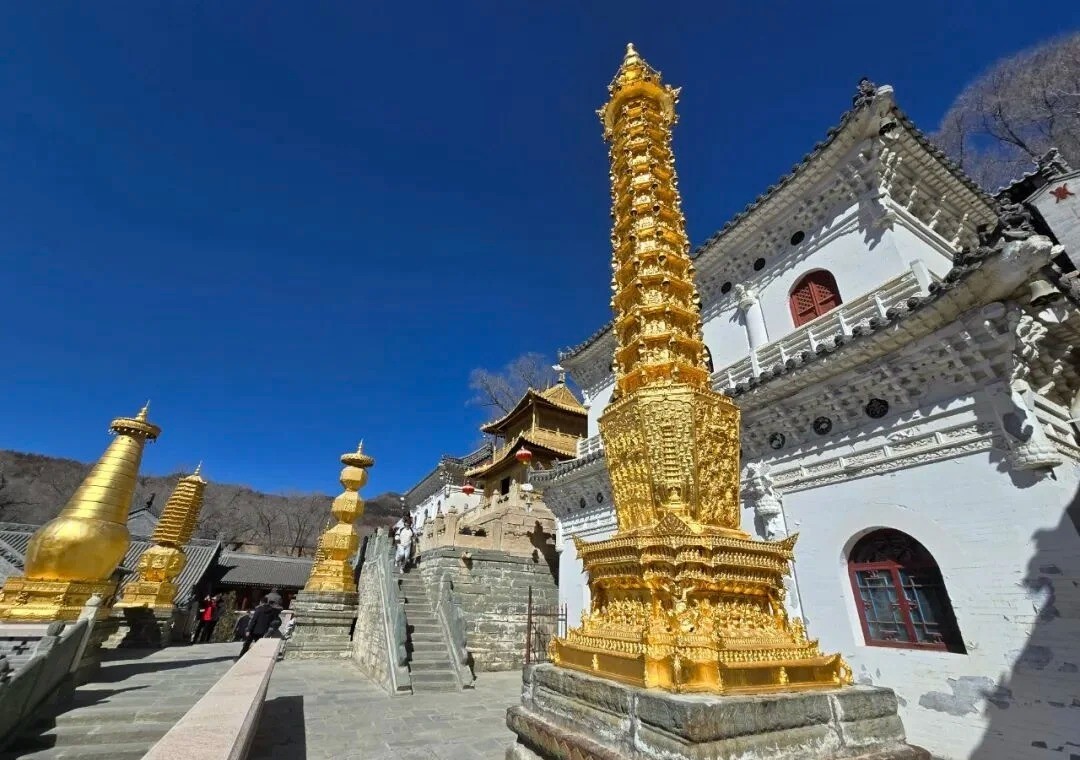
The pagoda near the Bronze Hall adds to the temple’s beauty. Its shape and decorations show the creativity of ancient builders. You can take time to look at the carvings and imagine the hands that made them. On a China Explorer Tour, guides will help you understand the meaning behind these features and share stories about the people who built them.
Gates and Roof Design
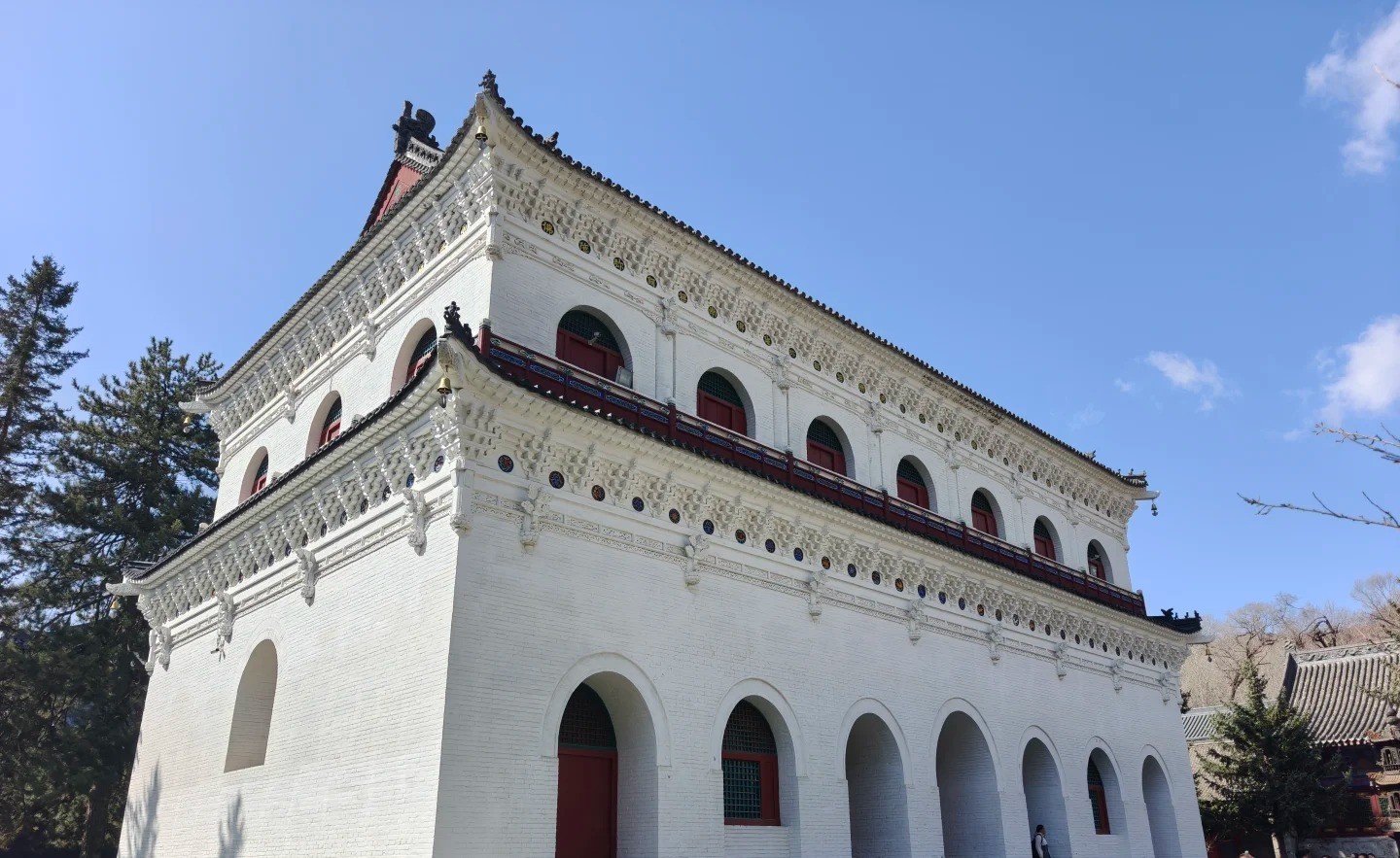
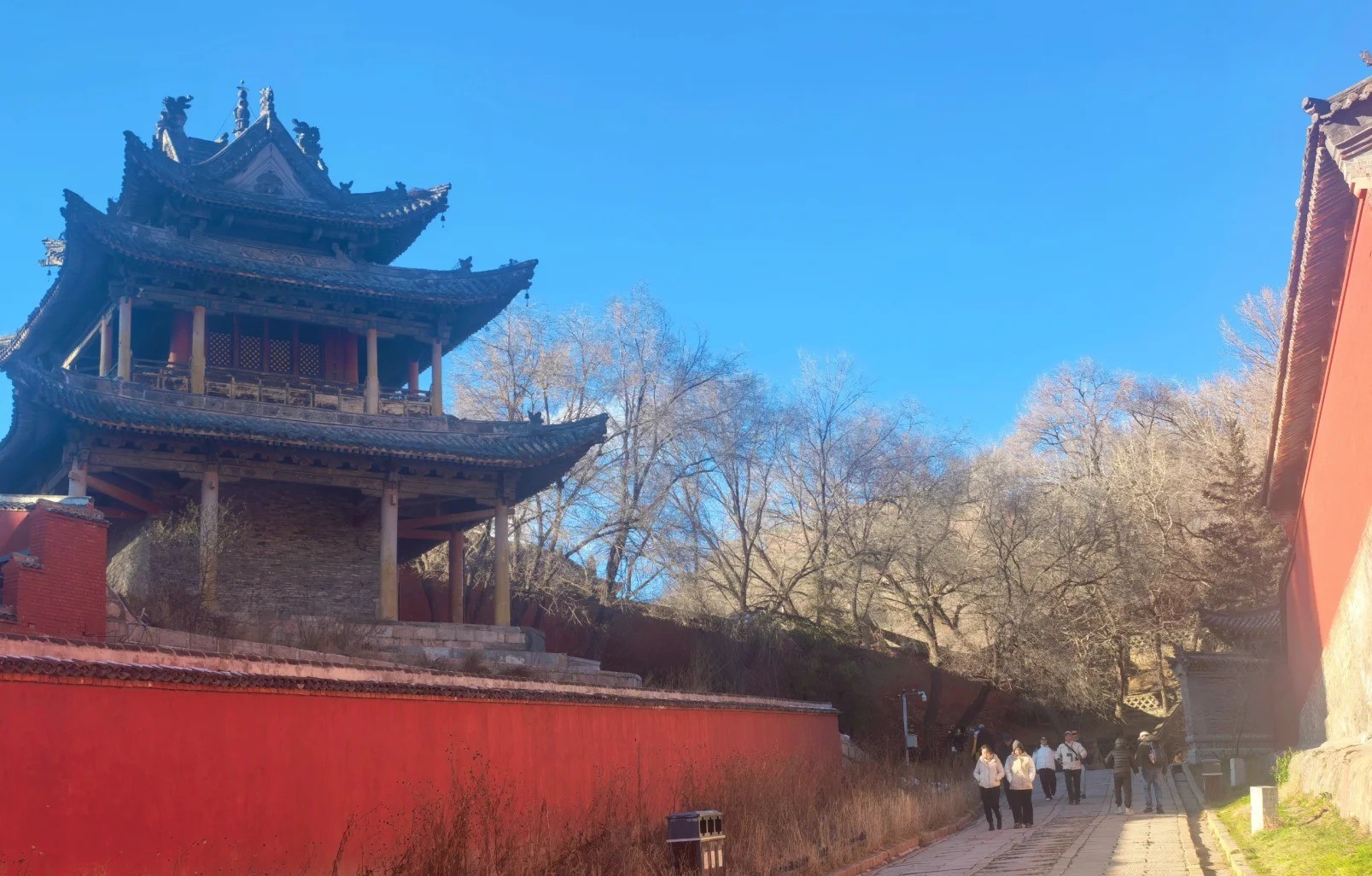
You enter Shanxi Xiantong Temple through grand gates. The gates have bright red walls and yellow-glazed tiles. These colors show the temple’s importance and add to its beauty. The roofs have many layers, with upturned eaves that reach toward the sky. Intricate dougong brackets support the roofs. These wooden pieces fit together like a puzzle and show the skill of the builders.
The temple uses different materials, such as wood and brick, to create a strong and lasting structure. The roofs follow the single-eave hip-and-gable style, also called the xieshan roof. This style is common in Chinese temples, but each temple has its own version. At Shanxi Xiantong Temple, you see:
The xieshan roof style, with single-eave and double-eave variations.
Nine ridges and a hipped roof, which make the building stand out.
Regional touches that show the temple’s unique place in Chinese architecture.
Tip: Look up when you walk through the courtyards. You will notice the colorful tiles, the detailed brackets, and the way the roofs curve upward. These details tell you about the temple’s history and the people who built it.
When you travel with China Explorer Tour, guides will point out these features and explain their meaning. You will get a chance to see how the temple’s design connects to Buddhist ideas and Chinese culture. If you want to explore more, you can join a 3-Day Light Zen Luxury Retreat at Mount Wutai. This retreat gives you special access to temple spaces and helps you experience the temple’s beauty in a peaceful setting.
Artistic Features
Carvings and Murals
When you walk through Shanxi Xiantong Temple, you see carvings and murals everywhere. Stone lions guard the gates with fierce faces. Wooden beams above your head show dragons, phoenixes, and lotus flowers. Each carving tells a story from Buddhist teachings or Chinese legends. You notice that the details are sharp and clear, even after hundreds of years.
Colorful murals cover the walls inside many halls. These paintings show scenes from the life of the Buddha, stories of monks, and images of paradise. The artists used bright reds, blues, and golds. Some murals look almost alive. You can stand in front of a mural and imagine the world it shows. Many visitors say these murals help them understand Buddhist ideas in a simple way.
Tip: Take your time in each hall. Look closely at the corners and doorways. You might find tiny carvings or faded paintings that most people miss.
Buddhist Statues and Ornaments
You find statues of Buddhas and bodhisattvas in almost every hall. The Great Buddha Hall holds a large statue of Sakyamuni. This statue sits calmly, with a gentle smile. Smaller statues fill the Bronze Hall. Each one has a different pose and face. Some statues are made of wood, others of bronze or stone.
Ornaments add beauty to the temple. You see hanging lanterns, incense burners, and bells. Many of these objects have patterns of clouds, flowers, or animals. These designs show the skill of the artists and the care given to every detail.
What sets Shanxi Xiantong Temple apart is the mix of styles. You see art from many dynasties. Each piece shows the beliefs and hopes of the people who made it. If you join a guided tour with China Explorer Tour, your guide will help you spot hidden details and explain their meaning. This makes your visit richer and more memorable.
Hidden Gems and Lesser-Known Spots
Secret Courtyards
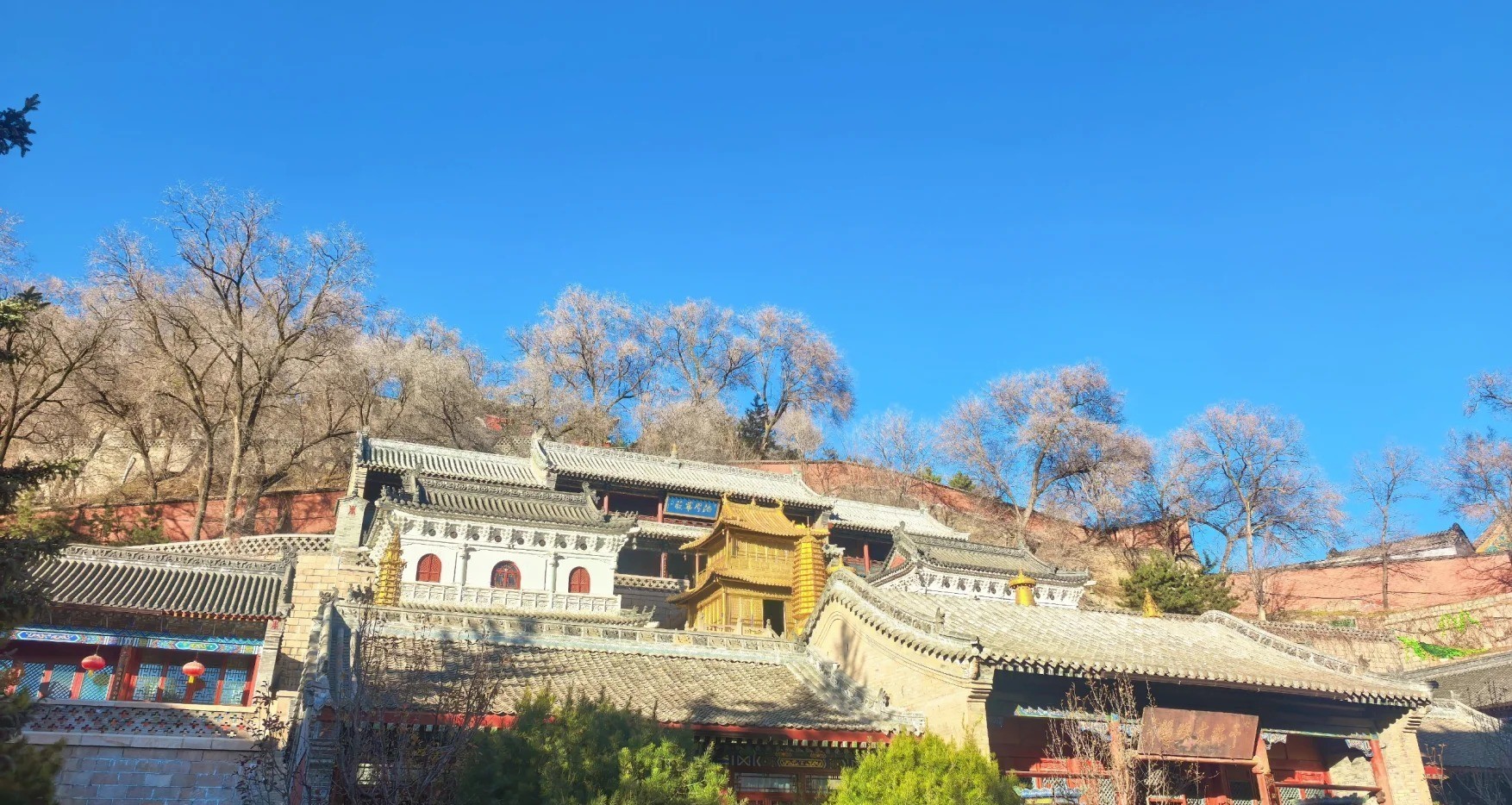
You might think you have seen all the temple has to offer, but quiet courtyards hide behind main halls. These spaces feel peaceful and private. You can sit under ancient trees and listen to the wind. Some courtyards have small gardens or stone benches. Monks sometimes use these areas for meditation or study. If you join a guided tour, your guide can show you these tranquil spots that most visitors miss.
Tip: Early morning is the best time to visit these courtyards. You will find fewer people and more chances to enjoy the calm.
Unique Artifacts
Inside Shanxi Xiantong Temple, you discover rare treasures that tell stories from the past. Look for these special items:
The Grand Hall stands as a symbol of traditional architecture and history.
The Bronze Bell plays a key role in religious ceremonies. Its deep sound fills the temple during important events.
The Bronze Pagoda shows the temple’s long history and unique style.
The Bronze Hall displays thousands of small Buddha statues, each crafted with care.
Guides from China Explorer Tour help you understand the meaning and history behind these artifacts. You learn why each piece matters and how it fits into the temple’s story.
Overlooked Details
Many visitors walk past small details without noticing. You can spot tiny carvings on door frames or faded paintings in corners. Some roof tiles have animal shapes that protect the temple. Lanterns and incense burners show patterns of clouds and flowers. These details add beauty and meaning to every part of the temple.
Guided tours offer several advantages:
Guides take you to hidden areas not found on standard routes.
Flexible schedules let you spend more time at your favorite spots.
Expert guides share stories and facts that make your visit special.
With China Explorer Tour or the 3-Day Light Zen Luxury Retreat at Mount Wutai, you gain deeper access to these hidden gems. You leave with a richer understanding of the temple’s art, history, and spirit.
Visiting Tips and Experiences
Suggested Routes and Timing
You can have a better visit if you plan ahead. Start your trip at the main gate. Walk along the central axis. This path takes you to the most important halls and courtyards. Stop at each hall to look at the art and learn about history. Take breaks in the courtyards to relax and think.
Spring and autumn are the best times to visit. The weather is nice and there are not many people.
April to October is the best time to visit Shanxi Xiantong Temple.
Late April and early October have good weather and fewer tourists.
In spring, flowers bloom and it gets warmer.
In autumn, the weather is cool and there is little rain.
If you come early in the morning, you will find quiet courtyards and calm halls. You might see monks starting their day and hear the temple bell ring.
Enhancing Your Visit with China Explorer Tour
China Explorer Tour uses smart tools to make your trip special. You get tips that match what you like. The platform helps you find hidden places and important spots. You can join fun activities, like workshops or meditation classes.
Guides use smart tools to pick the best routes and times for you. You get tips and stories about the temple’s history and art as you go.
China Explorer Tour also lets you meet local experts. You can ask questions and learn about Buddhist traditions. The smart system helps you plan your trip and makes sure you see all the important things.
Spiritual Retreats at Mount Wutai
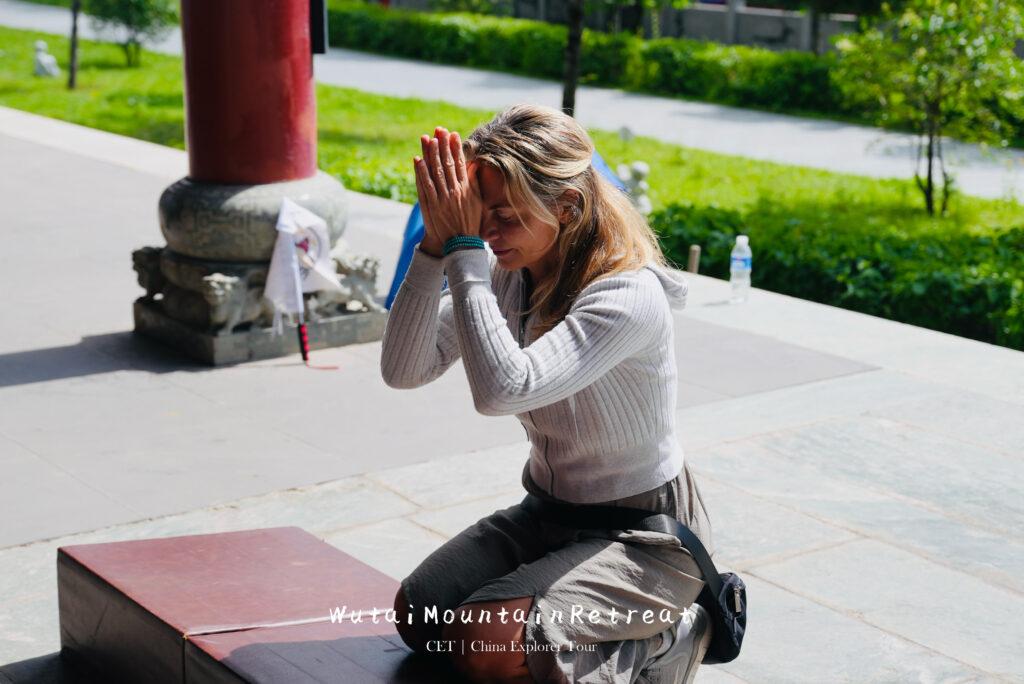
You can make your visit deeper with a spiritual retreat at Mount Wutai. The 3-Day Light Zen Luxury Retreat gives you special access to temple areas and senior monks. You can join dawn chanting, tea ceremonies, and meditation. The retreat has nice places to stay and special meals.
Many people say the retreat helps them feel calm and learn about Buddhist culture.
You can change your retreat to fit what you want. The guides help you during your whole trip. You leave feeling peaceful and more connected to the temple’s spirit.
You notice that Shanxi Xiantong Temple mixes history, art, and spiritual meaning everywhere. The halls, carvings, and quiet courtyards make this temple a great place to visit if you like buildings or learning about culture. There are big things to see and small secrets to find if you look closely. If you go with China Explorer Tour, you get special access, helpful guides, and can plan your trip the way you want. You will see well-known places and hidden spots, which makes your trip very special.
FAQ
How much time do you need to visit Shanxi Xiantong Temple?
You can explore the main halls and courtyards in 2–3 hours. If you want to join a guided tour or retreat, plan for half a day or more.
Can you take photos inside the temple?
You can take photos in most outdoor areas. Some halls do not allow photos. Look for signs or ask your guide before using your camera.
What should you wear when visiting the temple?
Wear comfortable shoes and modest clothes. Cover your shoulders and knees. This shows respect for the temple and the monks.
How does China Explorer Tour help you explore hidden features?
China Explorer Tour uses AI-powered tools to suggest secret spots and the best times to visit. Guides share stories and point out details you might miss on your own.
Is Shanxi Xiantong Temple suitable for families?
Yes! Children can enjoy the open courtyards and colorful art. Guided tours make the visit fun and educational for all ages.