Qufu Confucius Mansion Travel Tips for International Visitors

You can go to the Qufu Confucius Mansion if you plan your trip early and get your passport ready for buying tickets. Qufu gets millions of visitors every year, and many are from other countries. You might have problems like finding a legal place to stay or getting from Qufu East Station to downtown. If you buy your tickets early and learn about local customs, your trip will be easier. China Explorer Tour has special tours that help you see real local life and learn about Qufu’s culture.
Key Takeaways
Make your travel plans early. Buy tickets online so you do not wait in long lines. This helps you get in during busy times. Learn about local customs and manners. Show respect for traditions at places like the Confucius Mansion and Temple. Use travel apps like Didi to get around Qufu easily. Taxis and local buses are good choices too. Try new things. Go on guided tours to find hidden places and learn about Qufu's culture. Stay close to the main sights. Pick hotels inside the city wall for easy trips to old sites and local food.
Why Visit Qufu Confucius Mansion
Cultural Significance
When you visit the Qufu Confucius Mansion, you learn about Chinese history. Qufu is where Confucius was born. He was a famous thinker who changed Chinese culture. The mansion is part of the San Kong. This includes the Temple of Confucius and the Confucius Cemetery. These places are UNESCO World Heritage sites. They help keep Confucian culture alive.
The mansion started as a small house after Confucius moved to Qufu. It grew bigger during the Song, Ming, and Qing dynasties. By the 1800s, it had 560 rooms. It was almost as big as palaces for emperors. The Kong family, who are Confucius’s family, did special rituals. They had special rights that showed Confucian values. You can see the history of the Lu Kingdom here. Qufu was once a political center. The rituals show respect and moral duty.
Historical Milestone | Description |
|---|---|
Origin | Started as a small home after Confucius moved to Qufu. |
Expansion | Grew during the Song, Ming, and Qing times, showing respect for Confucius. |
19th Century Growth | By the 1800s, it had 560 rooms, almost like an emperor’s palace. |
Cultural Role | The Kong family did rituals and had special rights, showing Confucian values. |
Unique Experiences for Travelers
You get more than just sightseeing at the San Kong in Qufu. The mansion lets you learn about Confucian culture in a fun way. You can try themed walks like the Family Legacy Walk. This walk teaches you about the Kong family and their treasures. The mansion has over 100,000 old items. These include special tools and old books. These things help you understand Confucian traditions.
You also learn about the Temple of Confucius. It is a UNESCO World Heritage site. You can watch rituals that honor Confucius. The places in Qufu help you see where Confucius lived. You learn about the start of Chinese culture. China Explorer Tour gives you local guides and special tours. You can find hidden places and try hands-on activities. You feel closer to Qufu’s history and the San Kong.
Fun learning activities help you understand Confucianism.
Themed walks like the Family Legacy Walk teach about the Kong family.
Seeing many old items helps you connect with Confucian traditions.
You get to see UNESCO sites, learn about culture, and visit special places in Qufu. You will know why the mansion is important for visitors from other countries.
Pre-Trip Qufu Travel Tips
Visa and Entry Requirements
Check your visa before you travel to Qufu. Some countries have new rules that make entry easier. Canada and the UK let you stay for 30 days without a visa. The US and Indonesia let you transit for 10 days without a visa. If you are from another country, ask your embassy about the latest rules.
Country | Visa Requirement |
|---|---|
Canada | 30-day visa-free policy |
UK | 30-day visa-free policy |
US | 10 days visa-free transit available |
Indonesia | 10 days visa-free transit available |
Other countries | Check specific policies for entry |
Best Time to Visit Qufu
Find out when to visit Qufu. Spring and autumn are the best times. The weather is nice and not too hot or cold. There are fewer people, so you can enjoy the sites. See the table below for more details.
Season | Months | Temp Range | Rainfall | Crowds | Verdict |
|---|---|---|---|---|---|
Spring | Mar – May | 8°C – 22°C | Moderate | Medium–High | ✦ Ideal |
Autumn | Sep – Nov | 8°C – 24°C | Low | Medium | ✦ Ideal |
Booking Tickets in Advance
Buy your tickets before you go to Qufu. This helps you get tickets during busy times like spring and autumn. Many people buy tickets online to save money. You will feel calm and save time.
Buy tickets early to avoid missing out.
This is important during busy times like spring and autumn.
Essential Apps and Tools
Use apps and tools to make your trip easier. Maps help you find places like the Confucius Temple and Kong Family Mansion. Transportation maps show bus routes and train stations. You can download PDFs to use offline. Custom tools help you plan your trip with stops, food, and places to stay.
Tip: Go in spring or autumn for good weather and fewer crowds. Buy tickets online early for discounts. Use buses and trains to save money. Walk or bike to see old places.
These tips help you plan your trip, buy tickets, and use tools for a smooth visit.
Getting to Qufu
Main Transport Hubs
You can reach qufu easily because it sits on major train lines in China. The city has two main train stations: Qufu Railway Station and Qufu East Railway Station. Qufu East is the high-speed rail hub. Most travelers use this station because it connects to big cities. The table below shows how long it takes to get to qufu from different cities.
Departure City | Travel Time to Qufu |
|---|---|
Beijing | 3.5 to 4 hours |
Shanghai | 4 to 5 hours |
Jinan | Less than 1 hour |
Qingdao | Around 1.5 hours |
Tai’an | Approximately 30 minutes |
Travel Options from Major Cities
You have many ways to travel to qufu from other cities. High-speed trains are the fastest and most comfortable. You can take a train from Beijing and arrive in about 2 to 2.5 hours. Trains from Shanghai take about 3 to 3.5 hours. If you want to visit Mount Tai, you only need 20 to 30 minutes from qufu by train. High-speed rail makes your journey smooth and quick.
Take a high-speed train from Beijing (2–2.5 hours).
Board a train from Shanghai (3–3.5 hours).
Visit Mount Tai from qufu in 20–30 minutes.
Local Transit to Confucius Mansion
When you arrive in qufu, you can use several types of local transport to reach the Confucius Mansion. Taxis are metered and reliable, with a base fare of about ¥10–15. You can also use Didi, a popular ride-hailing app. Pedicabs and rickshaws offer a fun way to see the city. Horse-drawn carts are popular for trips to the Cemetery of Confucius. Local buses run along Gulou Jie, and Bus K01 takes about 15 minutes to the city center. Taxis and Didi rides usually cost 20–30 RMB.
Tip: Download the Didi app before your trip. It helps you call a car even if you do not speak Chinese.
You can reach the Confucius Mansion quickly and safely using these options. This makes your visit to qufu easy and enjoyable.
Qufu Confucius Mansion Visit Guide
Ticketing and Entry Process
You can buy tickets at the entrance or online. The ticket office is close to the main gate. Bring your passport or ID for discounts. There are different ticket types you can pick. You can get a standard ticket or a “San Kong” ticket. The “San Kong” ticket lets you visit the mansion, temple, and cemetery. Kids under 1.2 meters get in free. Seniors, students, and people with disabilities get discounts if they show ID. The table below shows ticket prices and what you need.
Ticket Type | Price (Peak Season) | Price (Off-Peak Season) | ID Requirements |
|---|---|---|---|
Standard Individual Ticket | 70 RMB | 50 RMB | Valid ID for discounts |
Combined “San Kong” Ticket | 150 RMB | 120 RMB | Valid ID for discounts |
Discounts for Seniors/Students | Varies | Varies | Valid ID or student card required |
Free Entry for Children < 1.2m | Free | Free | N/A |
Discounted Ticket for Children 1.2m-1.5m | Discounted | Discounted | N/A |
Special Rates for Disabled/Military | Varies | Varies | Relevant certification required |
It is smart to book tickets early when it is busy. Show your passport at the gate. Staff will check your ticket and ID. Walk through the main entrance and follow the signs to the mansion.
Tip: Buy your tickets online before you go. This saves time and helps you skip long lines.
Opening Hours and Visitor Rules
The mansion is open every day. The hours change with the season. Check the schedule before you visit. The mansion closes early on holidays. The temple and cemetery might have different hours.
Peak Season (March 1 - October 31): 8:00 AM - 5:30 PM (last admission at 5:00 PM)
Off-Season (November 1 - February 28/29): 8:30 AM - 5:00 PM (last admission at 4:30 PM)
New Year's Eve: Open until 12:00 PM (temple and mansion); cemetery closed
First to Third Day of Lunar New Year: 8:30 AM - 4:00 PM
You must follow the rules when you visit. Do not touch relics or go into closed areas. Stay quiet in the halls and respect local customs. Do not eat or drink in the main rooms. Keep your ticket with you all the time.
Note: The mansion often sells combo passes with the temple. Book early if you visit during national holidays.
Must-See Attractions Inside
There are many cool things to see inside the mansion. The mansion has over 100,000 old items from the Shang and Zhou dynasties. You can see special tools, old pictures, and important papers. The Confucius family tree scrolls show the Kong family’s history. You can look at ancient scrolls and rare objects.
The mansion was the Kong family’s home from AD 1377 to 1937.
There are 152 buildings and 480 rooms.
You can see offices and family rooms.
The middle route has the main halls.
You find special items and important papers in some rooms.
You can walk along the east, middle, and west routes. The middle route has the main halls. The east and west routes have living spaces and offices.
Suggested Routes and Guided Tours
There are different ways to explore the mansion. The Family Legacy Walk teaches you about the Kong family. You can see important objects and family halls. The Artifact Hunt helps you find special papers, tools, and scrolls. You can also visit the Mencius temple nearby. The Confucius Research Institute teaches about Confucian studies. At night, you can try street food in qufu.
Family Legacy Walk: Learn about the Kong family and see family halls.
Artifact Hunt: Find special papers and tools.
Mencius temple: Visit another important place.
Confucius Research Institute: Learn about Confucian studies.
Evening Street Food: Taste local snacks and dishes.
You can join a guided tour to learn more. China Explorer Tour has guides who speak English. Guides help you learn about the mansion and find secret spots. You can join a group or get a private tour. Guided tours make your visit easier and more fun.
Tip: Use the qufu travel guide from China Explorer Tour for the best routes and tips.
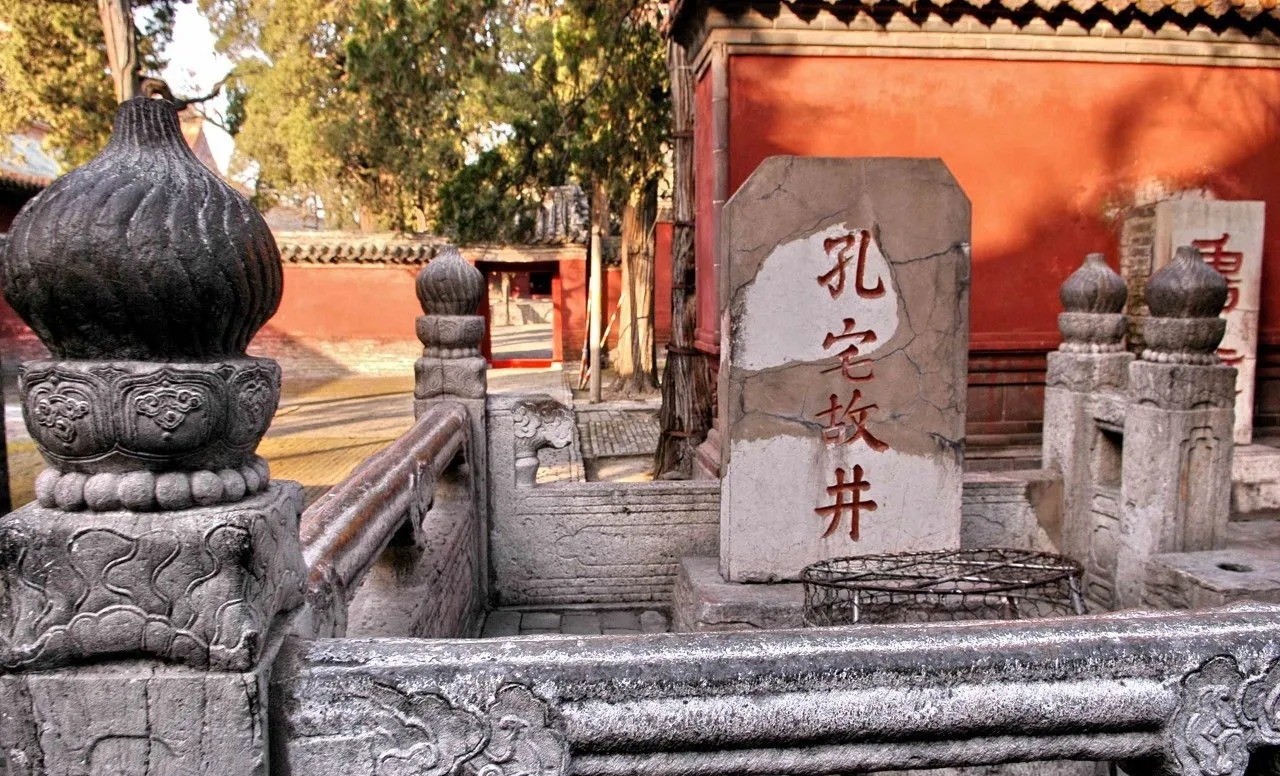
Accessibility for International Visitors
The mansion has many things to help international visitors. Elevators connect the main floors. Wide and flat paths make it easy for strollers and wheelchairs. There are restrooms for everyone on main floors. You can find lots of seats for seniors. The inside stays comfortable all year.
Feature | Description |
|---|---|
Mobility Accommodations | Elevators, wide walkways, accessible restrooms |
Language Support | Good English coverage in main halls and panels; limited English on smaller objects |
Additional Amenities | Plenty of seating, stable indoor temperature |
You will see English signs in the main halls and on big panels. Some small objects do not have English. You can ask staff for help. China Explorer Tour guides speak English and can help you with language and directions.
Tip: If you need more help, ask for a guide or use a translation app.
You can have a great time at the mansion with these tips. You will see the best places, follow easy paths, and get help with language and moving around. Guided tours help you learn more and make your trip easy.
Top Qufu Attractions Nearby
When you visit qufu, you will find many places close to the Confucius Mansion. These spots help you learn about the city’s history and culture. You can see old temples, quiet cemeteries, and peaceful parks. Many people think these qufu attractions are some of the best in China.
Confucius Temple
The Confucius Temple is one of the oldest and most important places in qufu. It was built in 478 BC to honor Confucius. Emperors and scholars came to the temple to show respect. The temple has changed and been fixed many times. You can see very old trees, some are over 1,100 years old. You can walk through calm courtyards.
Year | Event |
|---|---|
478 BC | Temple built to honor Confucius and serve as a place for worship. |
205 BC | Emperor Liu Bang offered sacrifices, starting a tradition. |
611 AD | Original house removed during rebuilding. |
1302 | Temple restored after devastation. |
1730 | Main hall restored after a fire. |
The temple shows how Confucianism has lasted a long time. You can see carvings, statues, and halls that tell about Chinese education and tradition.
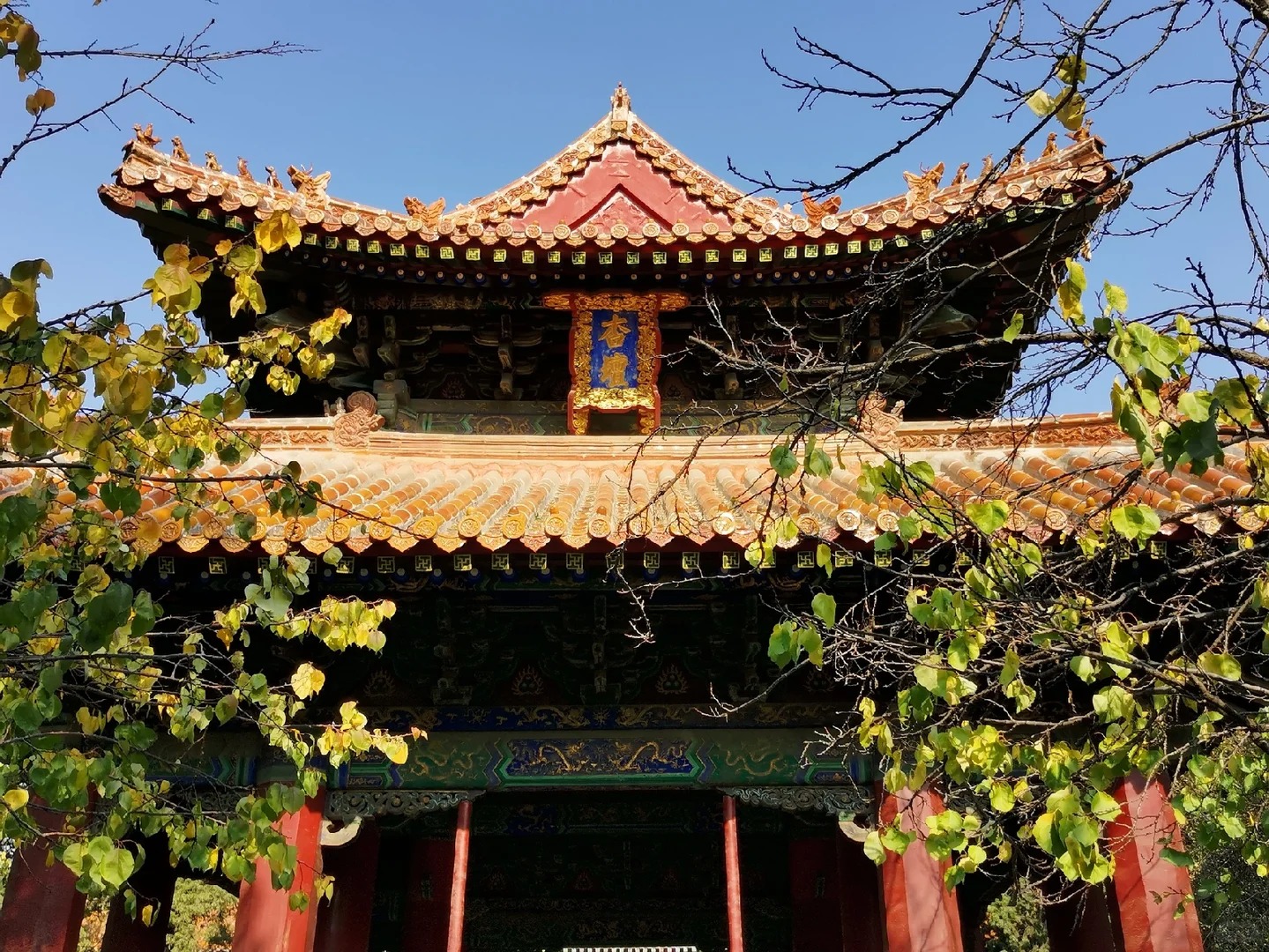
Confucius Cemetery
The Confucius Cemetery is another important place in qufu. You can visit Confucius’s tomb, which is a mound with a stone stele. Many people leave gifts here. The cemetery also has the graves of his son, grandson, and many descendants. You walk along paths with stone figures. These paths go through a quiet forest and make it a peaceful place to think.
Tomb of Confucius: Raised mound with a stone stele.
Tombs of family and disciples: Many graves close together.
Spirit ways and stone figures: Paths with statues.
Other Local Sights
You can find more qufu attractions if you want to see more. The Shao Hao Mausoleum is a quiet place with old buildings. Shimen Mountain trails are easy to walk and have nice views. The Confucius Research Institute helps you learn about modern Confucian studies. Tieshan Park is a green park where you can relax.
Shao Hao Mausoleum: Historic site with fewer people.
Shimen Mountain: Easy trails and calm scenery.
Confucius Research Institute: Learn about Confucian heritage.
Tieshan Park: Local park for rest and fresh air.
These places make your trip to qufu special and fun. You can see history, nature, and culture all in one visit.
Where to Stay in Qufu
Foreigner-Friendly Hotels
You can find hotels in qufu that welcome visitors from other countries. These hotels have cozy rooms and friendly staff. They are close to famous places in the city. The table below lists two top hotels. These hotels get good reviews and offer nice features.
Hotel Name | Rating | Price Range | Pros | Cons |
|---|---|---|---|---|
JW Marriott Hotel Qufu | 5-star | $150–$250 per night | Big rooms with fancy decorations; great food choices | Not many suite upgrades; book early |
Shangri-La Qufu | 5-star | $120–$200 per night | Helpful staff; serves local dishes; has wellness areas | Club lounge might be closed; check before booking |
These hotels help you feel comfortable and happy in qufu. You can rest after seeing the city’s old places.
Booking Tips and Locations
There are many hotels in qufu for different needs and budgets. The table below shows hotels close to main sites.
Hotel Name | Rating | Price Range | Pros | Cons |
|---|---|---|---|---|
Queli Hotel | 4-star | $80–$120 | Walk to Kong Family Mansion, restaurant with local food | Small lobby |
Atour Hotel Kong Family Mansion | 4-star | $70–$100 | Clean rooms, good for families and groups | Simple amenities |
GreenTree Inn Qufu High-Speed Railway Station | 3-star | $40–$60 | Very clean rooms, open all day, good for train travelers | Plain decor |
Qufu Garden Hotel | 3-star | $50–$70 | Free bikes, close to Confucius Temple | Not much view from rooms |
You can save money by using promo codes from the Qufu Travel Guide. Book two or three months early for the best prices, especially during autumn festivals. Sites like Trip.com have special deals and discounts.
Tip: Book early and use promo codes to get the lowest price for your hotel in qufu.
Staying Near Main Attractions
Your trip is better if you stay close to main sites in qufu. Hotels inside the city wall let you walk to the Confucius Temple, Kong Family Mansion, and Cemetery. You can see local culture and history every day. Hotels near Qufu East Station are good if you come by fast train. Well-placed hotels make it easy to reach important places and UNESCO sites.
Staying near main sites gives you more chances to learn about culture.
Hotels inside the city wall are close to old places.
Hotels near Qufu East Station are good for train travelers.
Good locations help you get to services and famous sites easily.
You can use China Explorer Tour’s travel guides to pick the best hotel for you. This helps you plan your stay in qufu and enjoy everything the city offers.
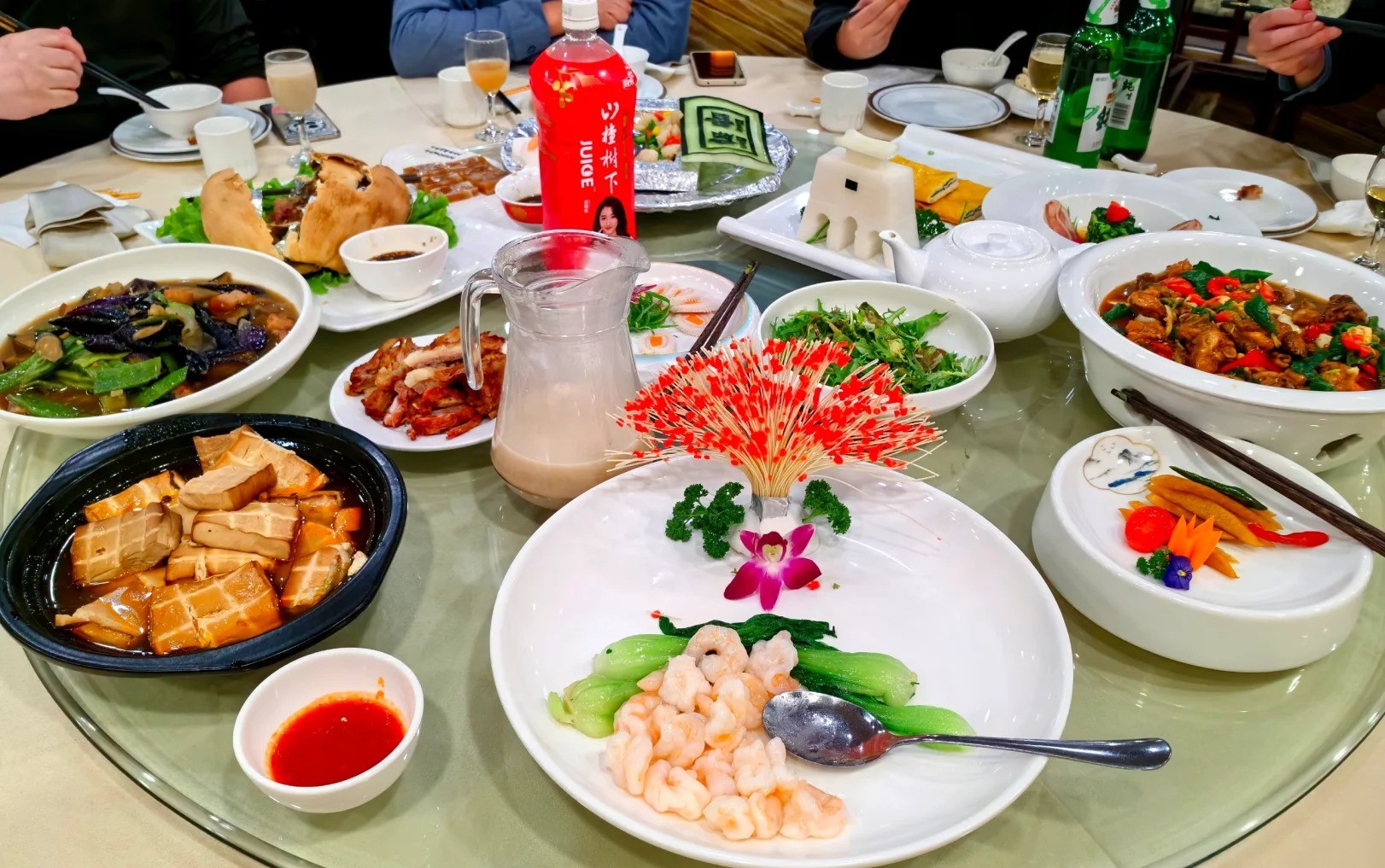
Food and Dining in Qufu
Local Cuisine Highlights
Qufu is known for Shandong (Lu) cuisine. This food uses fresh things and simple flavors. Chefs cook by braising and stir-frying at high heat. They use little oil so the food tastes natural. Dishes are salty, crispy, and light. You will see seafood, pork, green onions, and garlic in many meals. The food is not spicy. Cooks use vinegar and soy sauce to make flavors stronger.
Feature | Description |
|---|---|
Cuisine Name | Shandong (Lu) Cuisine |
Location | Northern east-coast China — Qingdao, Jinan, qufu, Mount Tai |
Distinctives | Salty and crispy, favoring braising and seafood. |
Cooking Methods | Extreme heat stir frying (bao) to lock in flavors without excess oil. |
Common Ingredients | Seafood, pork, green onions, garlic, ginger, vinegar, soy sauce. |
Flavor Profile | Fishy, salty, tender, light, and crispy. |
Seasoning Preferences | Less spice compared to Sichuan cuisine, focusing on accentuating the natural flavors of food. |
Recommended Restaurants
You can try many good dishes in qufu. Local places serve big meals and quick snacks. Here are some top spots to eat:
Kongfu Banquet (Kong Family Banquet): This place gives you a classic Shandong meal. You can taste many local foods here.
Sweet and Sour Carp (Sweet and Sour Carp): This dish mixes sweet and sour tastes. It is popular with visitors.
Braised Chicken with Mushrooms (Braised Chicken with Mushrooms): You get soft chicken cooked with mushrooms.
Pork with Sweet Bean Sauce (Pork with Sweet Bean Sauce): This dish has juicy pork in a tasty sauce.
Street Food: Try fried dumplings and scallion pancakes from vendors.
Tip: Ask your guide from China Explorer Tour to help you order if you want to try something new.
Dietary Tips for Travelers
Some people have special food needs in qufu. Many places have vegetarian choices, but ask if they use meat broth. If you have allergies, show a card with your needs in Chinese. Most places use peanut oil, so check before you order. You can find halal and Muslim-friendly places near the city center. Some hotels serve Western food. Bring snacks if you have strict food rules.
Eating in qufu helps you learn about local life. Try new foods, ask questions, and enjoy the tastes of this old city.
Cultural Etiquette and Practical Advice
Respectful Behavior at Sites
When you visit qufu, you should act politely at old places. Speak quietly in temples and halls. Many people bow or stay silent during rituals. Wear clothes that cover your shoulders and knees. This helps keep the area calm and peaceful. If you see signs, do not touch relics. These tips help you enjoy your visit and learn about qufu’s traditions.
Talk quietly in temples and old halls.
Wear simple clothes that cover your body.
Follow customs, especially during ceremonies.
Remember: Showing respect for local culture means you care about qufu’s history.
Language and Communication
English is not common in qufu. Learn a few Mandarin words to talk with locals. Use translation apps to read signs and menus. Write your destination in Chinese for taxi rides. This makes travel easier. People like it when you try to speak their language. You show respect by trying to communicate. China Explorer Tour has guides who speak English and help with language.
Use translation apps for signs and menus.
Write places in Chinese for taxi drivers.
Learn basic Mandarin greetings.
Tip: Saying hello in Mandarin can help you make friends and enjoy qufu more.
Payments and Safety
Mobile payment apps like Alipay and WeChat Pay are used in qufu. Most shops and restaurants take these apps. Big hotels and stores accept Visa and Mastercard. Bring cash for small markets and street vendors. Shandong is safe, so you can walk around qufu without worry. Hotel staff and workers at attractions can help you if needed. China Explorer Tour uses smart tools to help you plan and stay safe.
Payment Method | Where Accepted |
|---|---|
Alipay/WeChat Pay | Shops and restaurants |
Visa/Mastercard | Big hotels and stores |
Cash | Small markets and street stalls |
Safety tip: Keep your things safe and use hotel safes if you can.
Follow these tips to enjoy your trip to qufu. Be polite, use helpful tools, and know how to pay for things.
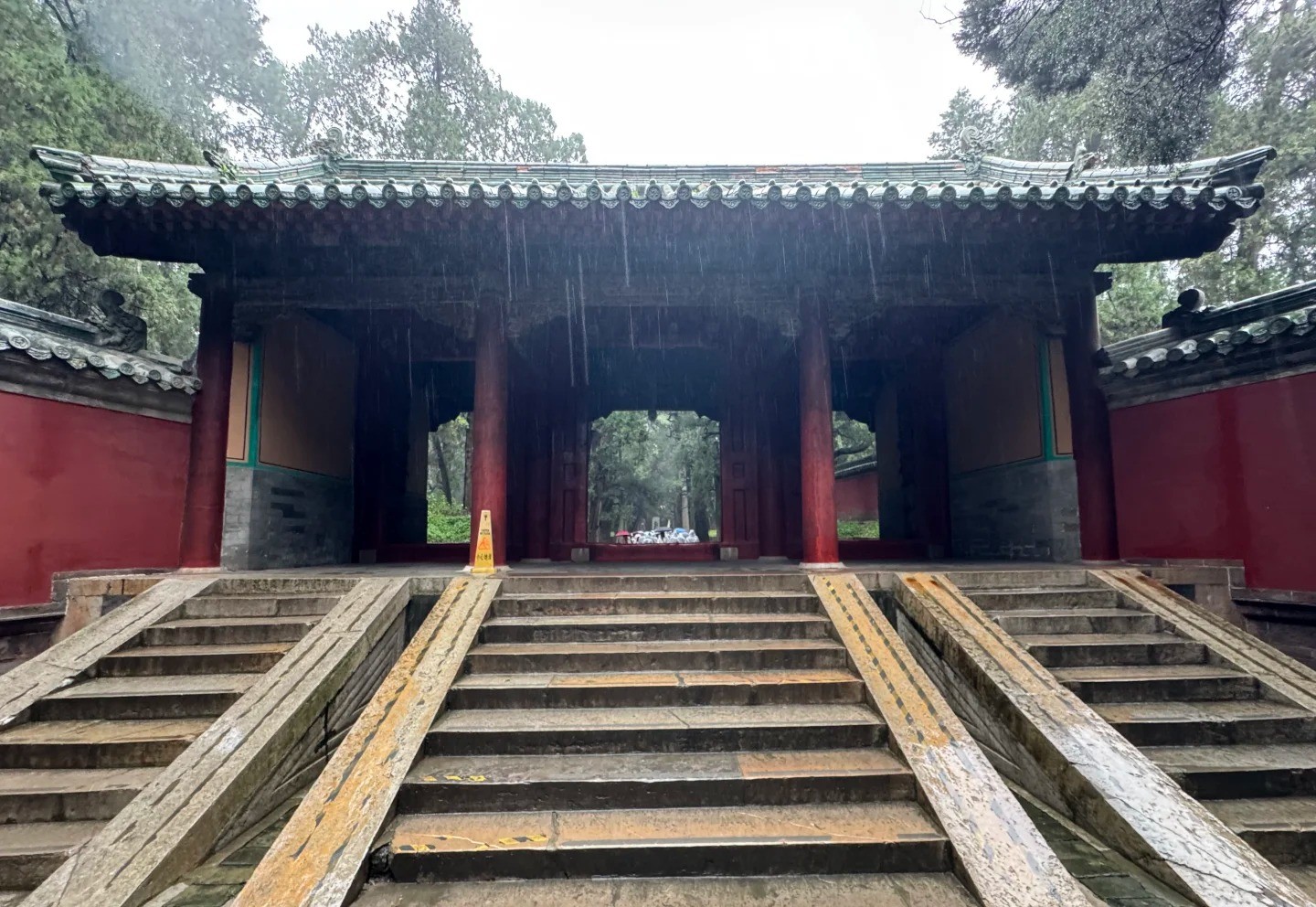
Resources and Emergency Contacts
Tourist Information Centers
You can find tourist information centers in qufu near the main attractions. The biggest center sits close to the entrance of the Confucius Mansion. Staff speak basic English and can answer your questions. You can get free maps, brochures, and help with directions. If you need help with tickets or want to know about local events, ask the staff. You can also find a small information desk at the Qufu East Railway Station. This desk helps travelers who just arrived in qufu.
Tip: Take a photo of the tourist center’s phone number. You can call if you get lost or need help.
Emergency Numbers
You should know the main emergency numbers before you visit qufu. These numbers work all over China. You can call them from any phone. Staff at hotels and attractions can also help you call if you need it.
Service | Number |
|---|---|
Police | 110 |
Fire | 119 |
Ambulance | 120 |
Traffic Accident | 122 |
If you lose your passport or need help, go to the nearest police station. You can also ask your hotel to call for you. Keep your passport and important papers safe at all times.
Useful Websites and Services
You can use many websites and apps to make your trip to qufu easier. These tools help you with travel, tickets, and language.
Qufu Official Tourism Website: Find news, maps, and event updates.
Trip.com: Book hotels and train tickets in qufu.
China Explorer Tour: Get travel guides and book tours for qufu and other cities.
Google Translate: Translate signs and menus in qufu.
Didi Chuxing: Call taxis and rides in qufu.
Note: Download these apps before you arrive in qufu. This helps you use them even if you have slow internet.
You can travel with more confidence in qufu when you know where to get help and how to find information.
China Explorer Tour: Tailored Qufu Travel
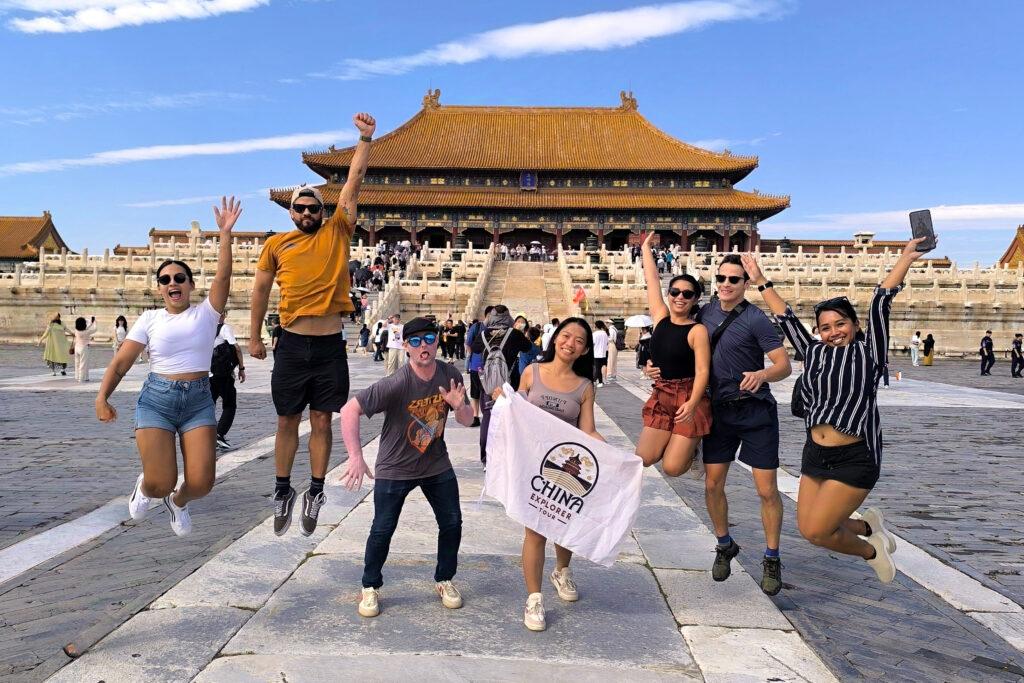
14-Day China Cultural Odyssey Overview
You can join a 14-day tour to see qufu and other famous places. This trip gives you a full confucius experience. The plan includes the Confucius Mansion, Temple, and Cemetery in qufu. You also visit Beijing, Xi’an, and Shanghai. The tour mixes history, food, and culture. You travel by fast train and bus. There are hands-on activities and local meals. You see big cities and hidden places. The group is small, so you can ask questions and learn more about confucius and his family.
Day | Itinerary Highlight |
|---|---|
1-3 | Beijing: Forbidden City, Great Wall |
4-5 | qufu: Confucius Mansion, Temple, Cemetery |
6-8 | Xi’an: Terracotta Warriors, City Wall |
9-11 | Chengdu: Panda Sanctuary, Local Cuisine |
12-14 | Shanghai: Bund, Modern Landmarks |
Custom Tours and Local Experiences
China Explorer Tour uses smart tools to make the best plan for you. You can pick a private tour or join a group. The plan can focus on confucius sites in qufu or add other cities. You can ask for special things, like a confucius ritual or cooking class. The guides speak English and know a lot about confucius history. You can walk where the Kong family walked. The plan can include markets, street food, and workshops. You will see how confucius ideas shape life in qufu. The tour helps you meet local people and try new things.
Tip: Tell your guide what you want to see in qufu. The plan can change to fit what you like.
Customer Stories and Reviews
Many travelers say the tour changed how they see China. Tom, from the UK, joined the 14-day trip. He thought he knew China, but the tour showed him new things about qufu and confucius culture. He visited the Confucius Mansion and learned about the Kong family. He tried local food and joined a confucius ceremony. Tom said the plan made every day special. He wants to come back and see more with China Explorer Tour.
You can make your own trip in qufu. Pick a custom tour or join a group. The right plan helps you enjoy confucius sites and local life. China Explorer Tour makes your trip easy and fun.
If you plan before your trip, qufu is easy to visit. Buy your tickets early so you do not miss out. Learn about local customs to fit in better. Pick real experiences to see the true qufu. Guides from China Explorer Tour can help you a lot. You will find nice hotels and good food in qufu. Explore qufu with confidence and enjoy your trip.
Start planning your qufu adventure and see the best of China with China Explorer Tour.
FAQ
How do I buy tickets for the Confucius Mansion in qufu?
You can buy tickets online or at the entrance. Bring your passport for ID. Booking early helps you avoid long lines, especially during busy times in qufu.
Can I visit qufu without speaking Chinese?
Yes, you can visit qufu even if you do not speak Chinese. Many signs have English. Translation apps help you talk with locals. Guided tours make your visit easier.
What is the best way to travel around qufu?
You can use taxis, buses, or the Didi app to get around qufu. Walking and biking are good for short trips. Many main sites sit close together in the city center.
Are there vegetarian food options in qufu?
Yes, you can find vegetarian food in qufu. Many restaurants offer vegetable dishes. Ask if they use meat broth. Bring a card with your needs written in Chinese for safety.
Is qufu safe for international travelers?
Qufu is safe for visitors. You can walk around the city day or night. Keep your passport and valuables secure. Hotel staff and local guides can help if you need anything.