Quanzhou Maritime Museum Travel Tips and Highlights
You want a trip you will always remember in China? Quanzhou Maritime Museum is a place you should visit. The museum shows its strong sea history with amazing things to see and awards. Here are some reasons people think it is a top museum:
Feature/Recognition | Description |
|---|---|
Historical Significance | Shows old overseas trade and the Maritime Silk Road |
Connected to Quanzhou’s World Heritage title | |
Extensive Collections | Has many relics, like a shipwreck from the 1200s |
First Maritime Museum | Opened in 1959, the first one like this in China |
National First-Class Museum | Called first-class since 2008 |
Key Exhibitions | Shares over 2,000 years of sea history |
If you get ready early and pick a trip just for you, you can enjoy every part. This guide helps you find famous places and secret spots, so you can see the museum your own way.
Key Takeaways
Go to the Quanzhou Maritime Museum to learn about China's sea history and how it helped world trade.
You can get in for free and see hands-on exhibits that make learning about sea culture fun for everyone.
Try to visit in spring or autumn because the weather is nice and there are not many people.
Check out places close by like Quanzhou Ancient City and local markets to enjoy more of the culture.
You might want to use China Explorer Tour for special travel plans and to find cool places in Quanzhou.
Why Visit Quanzhou Maritime Museum
Maritime Silk Road Legacy
When you walk into the Quanzhou Maritime Museum, you can imagine old trade routes. The museum is in Fujian Province. This place was once China’s busiest port. The Maritime Silk Road linked China to Africa and the Middle East. You can see how Quanzhou became important for sea trade. It helped connect people and goods from many places. The museum shows 16 old monuments and sites. These help you learn how the port changed history. You find out about a system that brought new ideas and religions to China. It also brought treasures. The museum uses AI to help you explore the Maritime Silk Road’s culture in a fun way.
Evidence Type | Description |
|---|---|
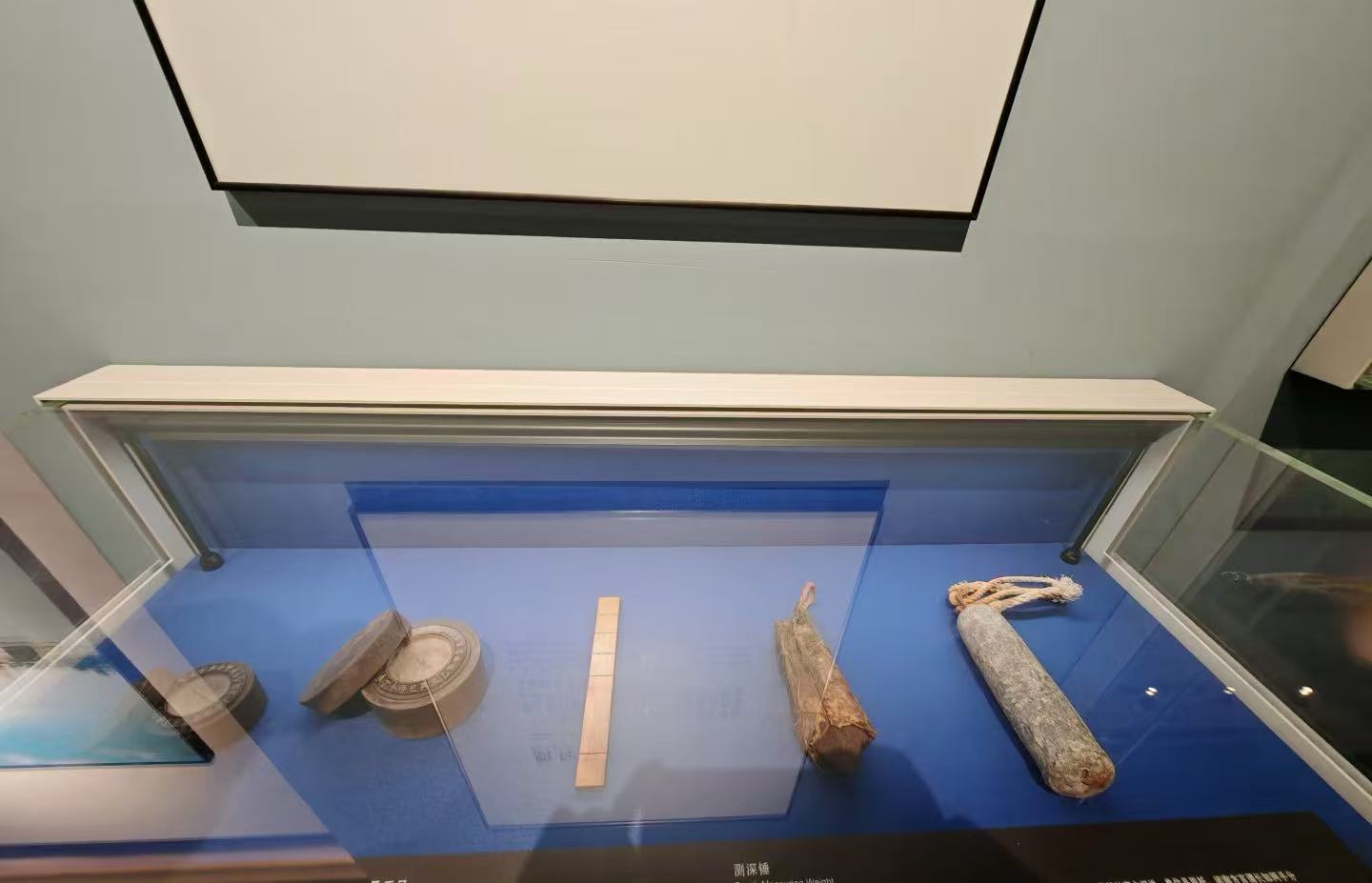
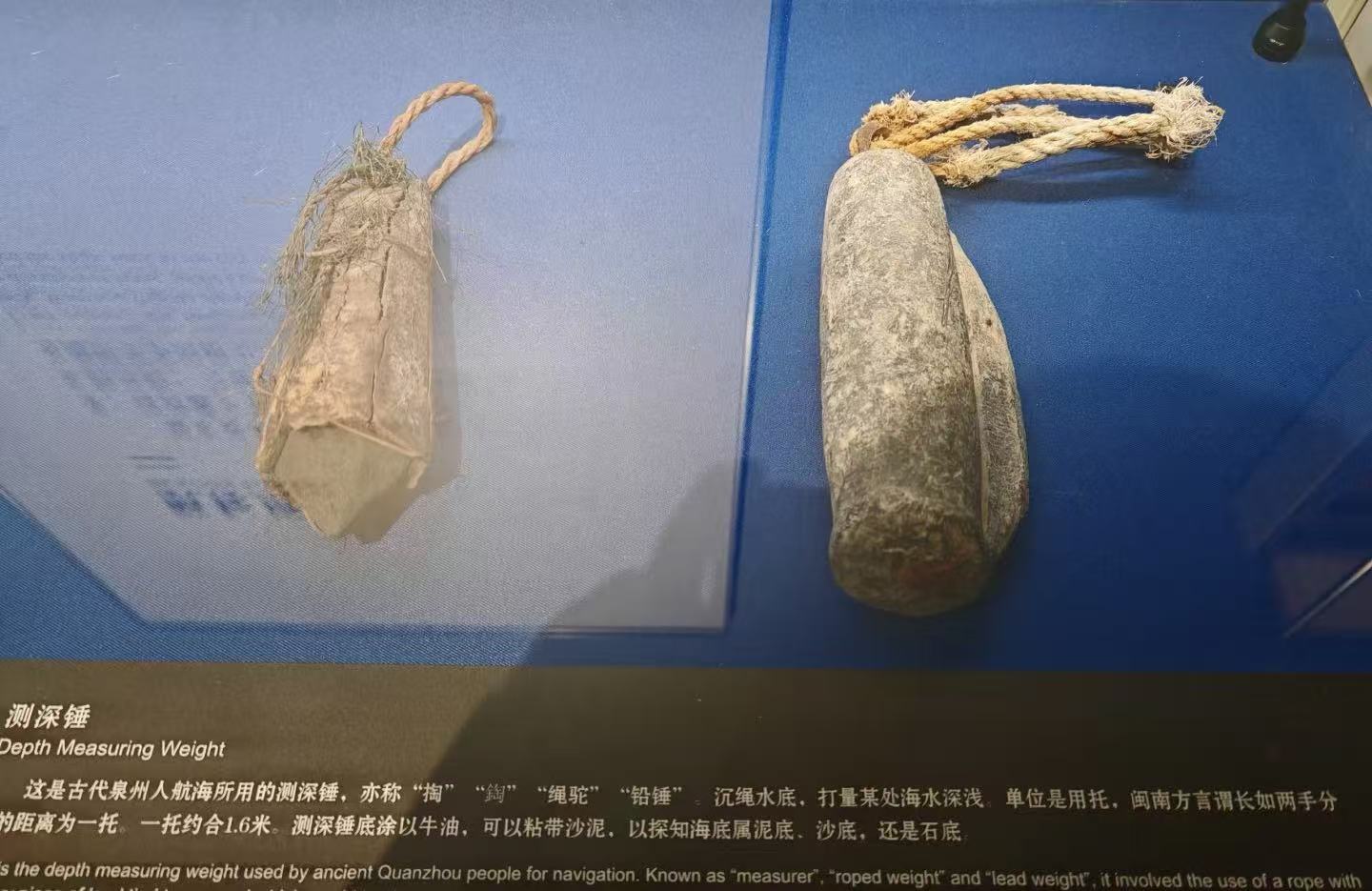
Artifacts | The museum has many artifacts. You can see ceramics, coins, and tools for navigation. |
Historical Significance | Quanzhou was a big port from the 10th to 14th centuries. It connected China with other places. |
AI Integration | The museum uses AI. This helps visitors enjoy and learn about the culture in new ways. |
Unique Exhibits & Cultural Significance
You will find rare artifacts that tell stories about China’s sea history. The Quanzhou Ship is from the Song dynasty. It lets you see how ships were built long ago. Stone stelae and tombstones show that the Sri Lankan royal family was here. Ceramics and navigation tools show Quanzhou’s part in world trade. There are hundreds of religious relics. This is why Quanzhou is called the 'Jerusalem of Asia.' More than 150 Islamic tombstones and carved stones show many cultures mixed here. The city is also a UNESCO World Heritage site.
Family-Friendly Experiences
You can bring your family to the museum. There are fun displays that make history exciting. Kids like looking at ship models and learning about sea trade. The museum has stories and things to see for all ages. You can learn how people from different cultures met in Fujian Province. They shared their ways of life. The museum is friendly and welcomes everyone. You will leave knowing more about China’s history and the Maritime Silk Road.
Must-See Highlights for Visitors
Main Exhibition Halls Overview
When you enter Quanzhou Maritime Museum, you see many halls. Each hall has a special theme. You learn about different parts of maritime history. You also discover the culture linked to the sea.
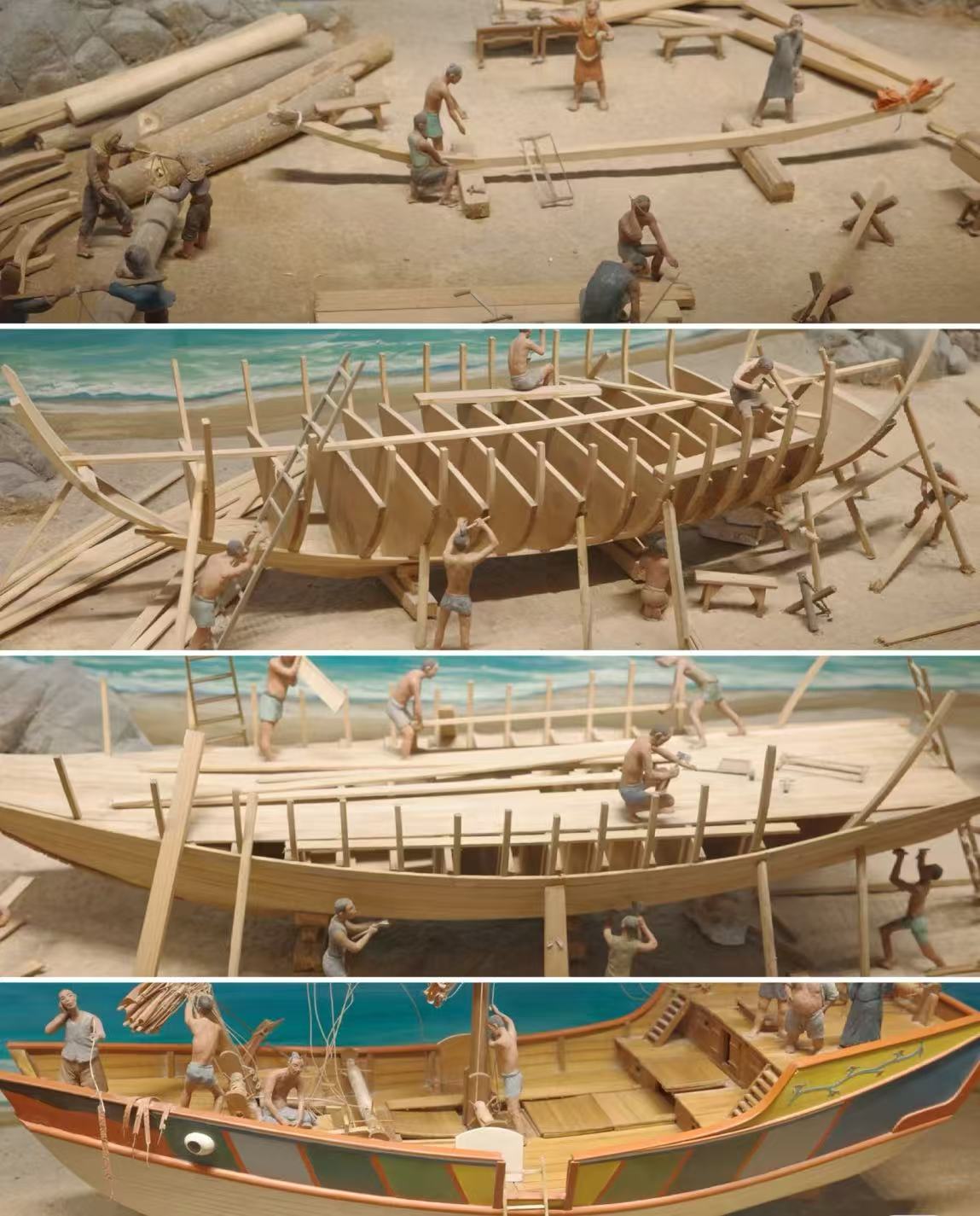
Quanzhou Ancient Ship Museum: You look at real shipwrecks. You find out how old ships were made.
Quanzhou and Ancient Overseas Transportation History Exhibition Hall: This hall shows how people traveled and traded by sea.
China Boat World: You see boat models from all over China. You hear stories about these boats.
Islamic Culture Exhibition Hall: You learn how Islamic culture shaped Quanzhou’s port and its people.
Quanzhou Haijiao Folk Culture Exhibition Hall: You explore local customs and traditions tied to the ocean.
Each hall helps you see Quanzhou’s link to the ocean. You understand how the city grew as a center for trade and culture.
Song Dynasty Ship & Artifacts
The Song Dynasty ship is very old and large. It is one of the biggest wooden sailing ships ever found. The museum shows many artifacts from this ship. These items tell stories about life, trade, and technology long ago.
Artifact Type | Significance |
|---|---|
Song Dynasty vessel | Shows how well ships were built and their size for long trips. |
Medicines | Tells about trading health goods and sharing knowledge. |
Spices | Shows how food and flavors moved along trade routes. |
Coins (copper and iron) | Lets you see how people paid for things and traded. |
Bamboo and rattan articles | Reveals what materials people used and their skills. |
Porcelain fragments | Shares how art and culture spread between places. |
Wooden ship components | Explains how ships were made and which materials mattered. |
Anchors | Helps you learn how ships stayed safe at sea. |
Organic remains | Gives clues about what people ate and their environment. |
You see how trade changed life and technology in the Song Dynasty. The ship and its treasures help you picture history.
Religious Sculpture & Customs
Quanzhou’s port brought people from many places. The museum has religious sculptures and customs that show this. The Kaiyuan Temple was built around 685. It has pieces from a temple for the Hindu God Shiva. This shows early links between religions. The Qingjing Mosque has stones with lucky clouds, a Chinese symbol. You see how Islamic and Chinese cultures mixed.
The museum tells stories about people of different faiths living together. You see beautiful carvings and buildings in the Kaiyuan Temple. It is the biggest Buddhist temple in Fujian. The Qingjing Mosque is the oldest Arab-style mosque in China. Its design mixes Chinese and Islamic styles. This shows how Quanzhou’s sea history brought cultures together.
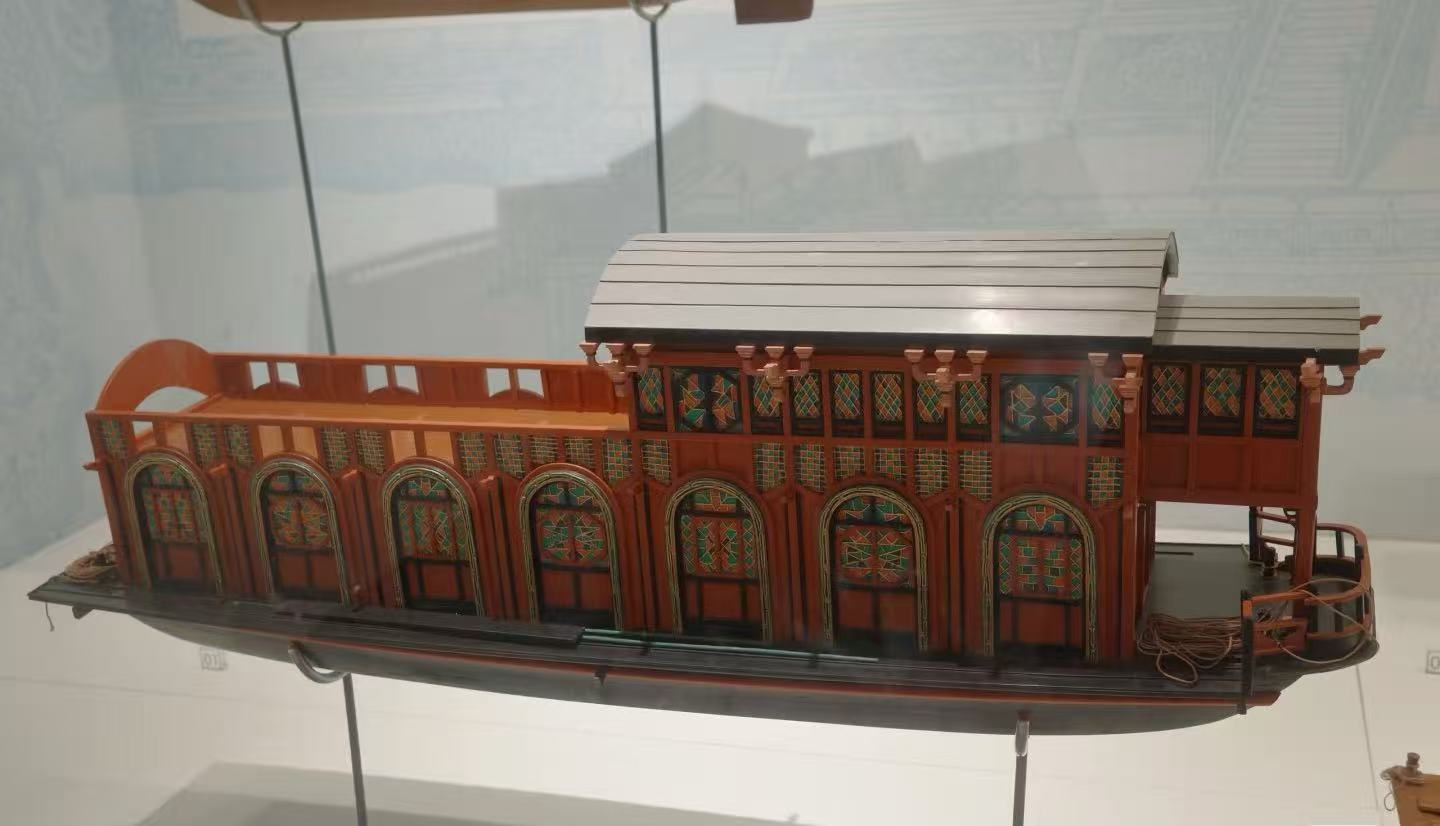
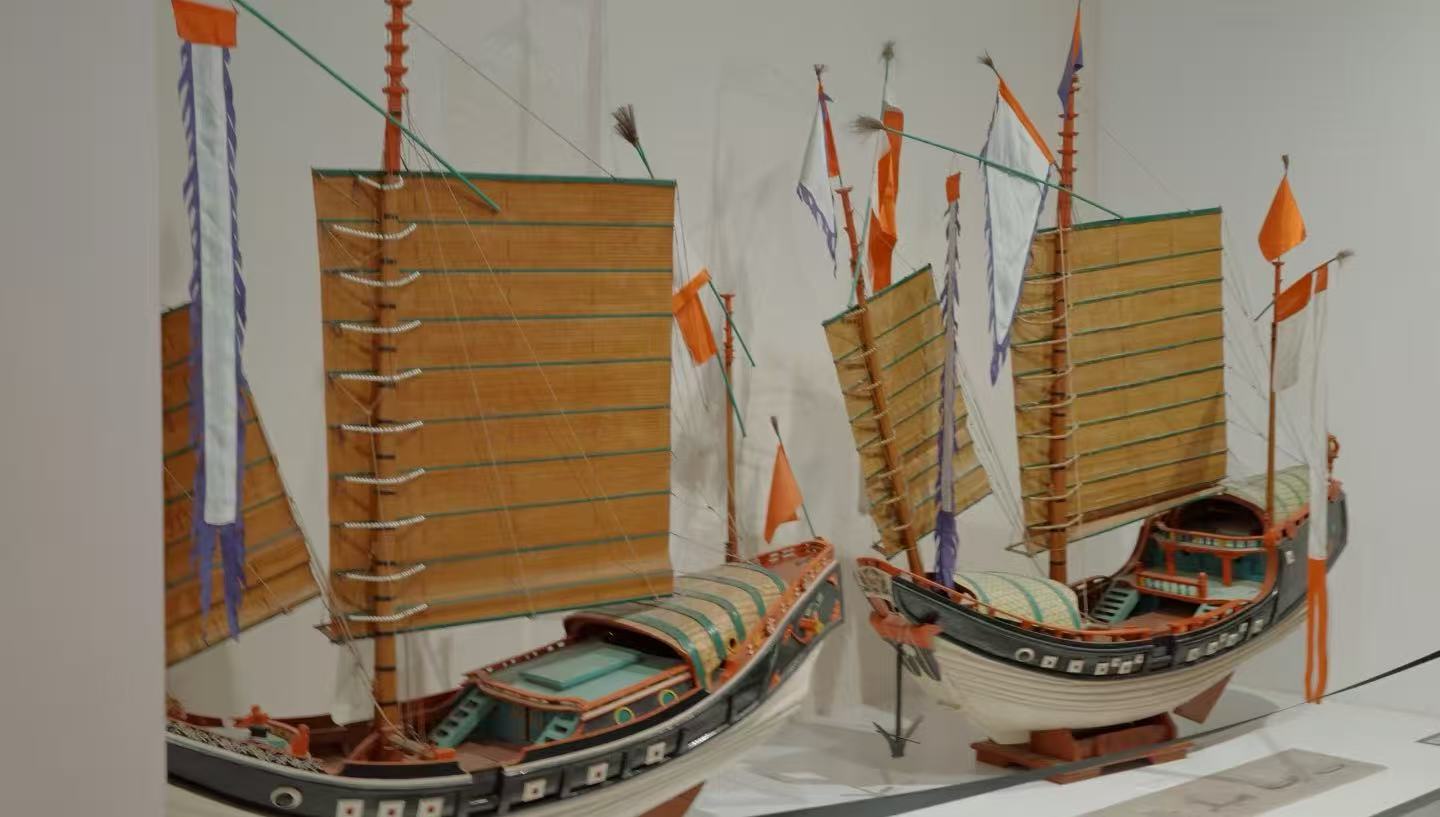
Ancient Sailboats Models
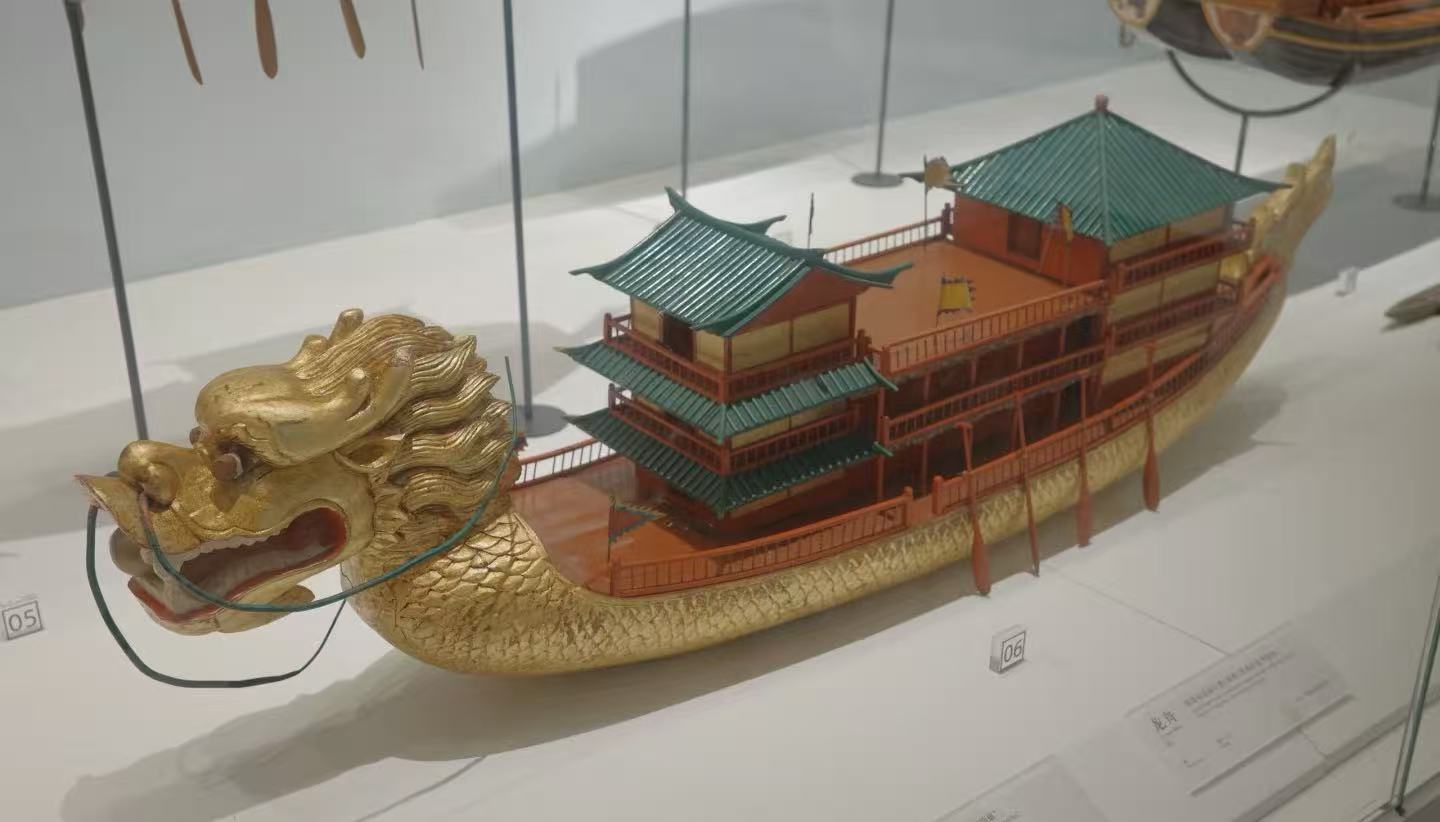
You see models of old sailboats from the Ming and Qing dynasties. These ships show big changes in sea technology. Some ships, like the Caofang Ship, were made for rivers and lakes. Others, like the Fu Ship and Sha Ship, helped with trade and defense. You notice different keel shapes and sails. These helped ships travel in many places.
Ships like the Red-Head Ship have special names and decorations. These details show how people added culture to their boats. You learn how ship designs changed for trade and customs.
Interactive Displays
You do more than just look at things in this museum. You touch, play, and learn with interactive exhibits. These displays make history fun for everyone. Kids and adults can try hands-on activities. You might build a model ship or solve puzzles about navigation. The museum has something for every way of learning. You leave knowing more about Quanzhou’s maritime history and how trade shaped the city.
Tip: Spend time with the interactive exhibits. They help you connect with the stories and people behind the artifacts.
Travel Guide & Planning Tips
Opening Hours & Tickets
You want your visit to be fun and easy. The museum is open every day from 9:00 AM to 5:30 PM. You do not have to pay for tickets because entry is free. This helps you save money and plan better.
Opening Hours | Ticket Price | Discounts |
|---|---|---|
9:00 AM – 5:30 PM | Free entry | N/A |
You can look at the exhibits for as long as you want. If you come with family or friends, you do not need to buy tickets for anyone. This is a good way to enjoy history without spending extra money.
Best Times to Visit
You want your trip to go well and be fun. The best time to visit is in spring or autumn. The weather is nice in Fujian Province during these seasons. You will not have to deal with big summer crowds. Weekdays are less busy than weekends. If you come early in the morning, you can see the exhibits before it gets crowded. You can spend more time with the interactive displays and learn about the port’s history.
Tip: Try to visit during local festivals. You might see special events or new exhibits about Quanzhou’s maritime silk road.
Getting There & Accessibility
There are many ways to get to Quanzhou Maritime Museum. Quanzhou is easy to reach from big cities in China. You can fly, take a bullet train, drive, or ride a bus. The city has fast trains that go to Xiamen, Fuzhou, and Shanghai. Two main bus stations have buses to many places.
You can fly into Quanzhou Jinjiang International Airport.
You can take a bullet train to Quanzhou Railway Station.
You can use local buses or taxis to get to the museum.
You can drive your own car if you want.
If you need ramps, elevators, or other help, ask the museum before you go. Some small museums may not have all these features. The staff can give you travel tips and answer your questions.
Facilities & Services
You will find useful services at the museum. There are bathrooms and places to sit and rest. You can ask the staff for maps and travel guides. The museum has guided tours in Chinese and sometimes in English. If you want to know more, join a tour. You can buy snacks and drinks at shops nearby. The museum is close to other cool places, so you can explore more in one day.
Note: If you need special help, talk to the staff when you arrive. They will help you enjoy your visit.
China Explorer Tour Tailored Experiences
You want your trip to be special and easy. China Explorer Tour helps you plan everything. This travel agency uses AI to make trips for people from other countries. You can book private tours that fit what you like. The team knows what travelers need. You get help in English and travel tips.
With China Explorer Tour, you can visit the museum and learn about the maritime silk road. You see boat models, a Song Dynasty shipwreck, and relics from Quanzhou Bay. You find stone carvings that show the port’s history. The guides tell stories about trade and culture. You can visit UNESCO World Heritage sites and secret spots in Fujian Province.
If you want a guide who shows you famous and hidden places, choose China Explorer Tour. You can learn more and book your trip on their website: China Explorer Tour.
Tip: Pick a custom plan for your trip. You will see more and have real local experiences in China.
Visit Duration & Suggested Itineraries
Planning your visit to Quanzhou Maritime Museum? You can choose how much time you want to spend. Here are some sample itineraries to help you make the most of your trip.
Quick Tour (1-2 Hours)
If you have just a short time, you can still see the best parts of the museum. Focus on the main highlights that show why Quanzhou played a big role in trade and history.
Key Highlights | Description |
|---|---|
Unique Focus | The only museum in the world dedicated just to maritime trade. |
Historical Significance | Shows Quanzhou’s past as a major port during the Song and Yuan dynasties. |
Exhibits | See shipwreck relics, ancient maps, religious artifacts, and port models. |
You will get a quick look at how china connected with the world through sea routes. Don’t miss the ship models and the ancient maps that tell stories of trade.
Tip: Start at the main exhibition hall for a fast overview, then pick your favorite display to explore a bit more.
Half-Day Exploration
With half a day, you can slow down and enjoy more details. Walk through all the main halls. Spend extra time with the Song Dynasty ship and the religious sculptures. Try some interactive displays. You will see how china’s culture mixed with others through trade. Take a break at the museum café or rest area. If you want, join a short guided tour for deeper stories.
Note: Ask the staff about any special exhibits or events happening that day.
Full-Day Immersion
Ready for a full day of discovery? Dive deep into the museum’s treasures and join hands-on activities. You can:
Join study and research activities about Quanzhou culture, like puppet making or bead embroidery.
Take part in cultural team-building lectures or group activities. Some programs include dining and travel tips.
You will learn how trade shaped daily life in china. Try a behind-the-scenes tour if available. With China Explorer Tour, you can even arrange a private guide who shares hidden stories and helps you connect with local experts.
Pro Tip: Book your immersive experience in advance, especially if you want to join special workshops or group activities.
Nearby Attractions & Things to Do
When you finish at the Quanzhou Maritime Museum, there are many fun places close by. You can walk into Quanzhou’s old city, see famous temples, and try local food. Here are some cool places and things you should see.
Quanzhou Ancient City
Quanzhou Ancient City is full of life and history. It has grown for over 1,000 years because of sea trade. The city is in Fujian Province and has many cultures mixed together. You will see temples, mosques, and churches close to each other. Every street shows how important the city was as a port.
Feature | Description |
|---|---|
Maritime Trade History | The city grew as a big sea trading place during the Song and Yuan dynasties. |
Diverse Religious Heritage | You will find mosques, temples, and churches, showing many cultures. |
UNESCO World Heritage Site | Quanzhou is called ‘Emporium of the World in Song-Yuan China’, showing its world importance. |
You can visit Kaiyuan Temple, Qingjing Mosque, and Western churches. Each place shares stories about the maritime silk road and how Quanzhou linked China to other lands.
Kaiyuan Temple
Kaiyuan Temple is only 1.6 miles from the museum. You can walk or take a short ride there. The temple is a main place for Buddhist learning and prayer. Its big halls and old trees make it calm and quiet. The temple is on the UNESCO world heritage list, showing it matters a lot in Quanzhou. You will see pretty carvings and learn about the city’s spiritual past.
Local Markets & Dining
Do you want to try real Quanzhou food? Go to the markets near the port. You will find fresh seafood, Fujian snacks, and handmade foods. Try oyster omelets or peanut soup. The markets are busy and colorful. You can talk to sellers and watch how they cook. Many small restaurants serve food that shows the city’s trade history.
Hidden Gems with China Explorer Tour
Do you want to see more than just the famous places? China Explorer Tour helps you find secret spots. Their AI trip planner matches you with guides who know hidden alleys, quiet temples, and family-run restaurants. You can join a private tour to Xunpu Xiaocun Village or see Luoyang Bridge. The team helps you learn about local customs and stories. You will see parts of Quanzhou that most visitors do not find.
Tip: Ask China Explorer Tour for a special plan. You will find new places and enjoy real local life in China.
Insider Tips for Visitors
Local Customs & Etiquette
You will notice that people in Quanzhou are friendly and polite. When you greet someone, a simple smile or nod works well. If you visit temples or mosques, wear clothes that cover your shoulders and knees. Take off your hat before you enter. Speak softly inside religious sites. Locals appreciate it when you show respect for their traditions. If you join a guided tour, your guide can help you understand more about local customs.
Tip: Always ask before taking photos of people or inside temples.
Best Photo Spots
You can find many great places for photos at the museum. The Song Dynasty ship makes a cool background. The outdoor garden has old stone carvings and green plants. Try to catch the sunlight on the ancient ship models. The entrance gate is also a favorite spot for group pictures. If you want a photo with fewer people, visit early in the morning. China Explorer Tour guides know secret angles and can help you get the best shots.
Souvenirs & Shopping
You can buy special gifts near the museum. Look for small shops that sell model ships, sea-themed crafts, and postcards. Many stores offer handmade ceramics and local snacks. If you want something unique, try a shop that sells Quanzhou puppets or bead embroidery. These items show the city’s rich culture. Bargaining is common in markets, so feel free to ask for a better price.
Dining Near the Museum
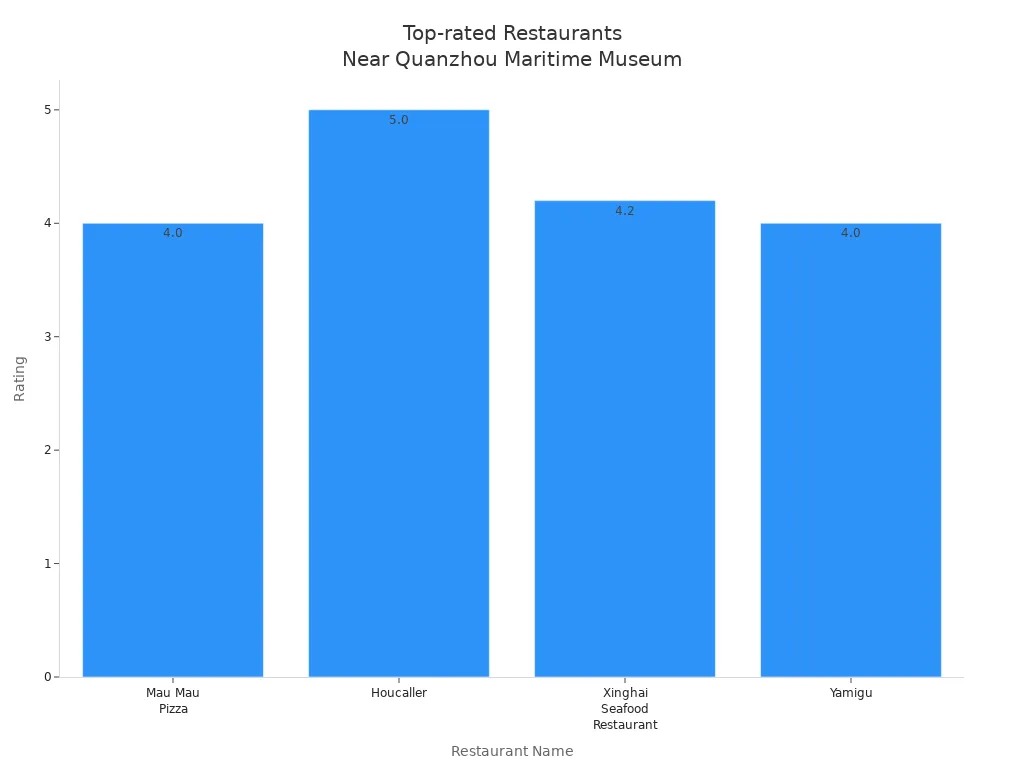
You have many tasty options close to the museum. Try local seafood or snacks after your visit. Here are some top-rated places and what you can order:
Restaurant Name | Rating | Cuisine Type | Recommended Dishes |
|---|---|---|---|
Mau Mau Pizza | 4.0 | Western | Extensive selection of pizzas |
Houcaller | 5.0 | Restaurant | Various mouth-watering delicacies |
Xinghai Seafood Restaurant Xunpu Head Store | 4.2 | Chinese | Fresh and exotic seafood options |
Yamigu | 4.0 | Fast food | Assortment of quick service dishes |
Dongxing Beef Shop | N/A | N/A | Meat dumplings topped with black sesame sauce |
You can taste pizza, seafood, or local dumplings. If you want more ideas, ask your guide or use China Explorer Tour’s AI trip planner for food tips.
Note: Some restaurants get busy at lunch, so try to go early or make a reservation.
When you visit Quanzhou Maritime Museum, you see many cool things. There are ship models, old navigation tools, and shipwrecks. You find out how Quanzhou helped sea trade and brought cultures together in China. Good planning lets you enjoy each part and find secret stories. China Explorer Tour can help you plan a trip that fits what you like and shows you the best places in the city. Are you excited to learn more? Start your journey and explore Quanzhou’s sea history.
The museum makes history fun with hands-on exhibits.
You learn about the city’s mix of cultures.
Your trip links you to other great places close by.
China Explorer Tour can help you see more and make special memories.
FAQ
What is the best way to plan my visit to Quanzhou Maritime Museum?
You can use China Explorer Tour’s AI-powered trip planner. It helps you pick the best time, find hidden gems, and book private guides. You get a custom plan that fits your interests.
Can I visit the museum with kids?
Yes! The museum has interactive displays and hands-on activities. Kids love the ship models and puzzles. You can explore together and learn about sea history in a fun way.
Is the museum easy to reach from the airport or train station?
You can take a taxi, bus, or use China Explorer Tour’s travel service. The museum sits close to Quanzhou Jinjiang International Airport and the main train station. You get there quickly.
Do I need to book tickets in advance?
No, you don’t need to book tickets. Entry is free for everyone. You can walk in during opening hours. If you want a guided tour, you can book with China Explorer Tour.