Mount Hua hiking for beginners everything you need to know

You can hike Mount Hua (Huashan) as a beginner if you get ready and pay attention. Many new hikers worry about being safe, but you can skip dangerous places like the Cliffside Plank Path and Hawk Flipping Over. Pick trails that feel right for you. Good hiking shoes, thin gloves, and hiking poles help you stay safe. There are lots of people, especially on busy days. This guide gives you useful tips and advice so you feel sure and prepared for your trip to Mount Hua.
Key Takeaways
You can hike Mount Hua if you get ready first. Pick easy trails and do not go on risky paths like the Cliffside Plank Path.
You need good gear. Wear strong hiking shoes. Bring gloves. Use hiking poles to help you stay safe and steady.
Plan your trip between April and October. The weather is nice and you can see great views. Go early in the morning to miss big crowds.
You can use cable cars to make hiking easier. Cable cars help you skip hard climbs. You can spend more time looking at the scenery.
Be careful and know what you can do. Take breaks when you need them. Drink water often. Always check the weather before you start hiking.
Mount Hua (Huashan) Hiking Guide
Is Mount Hua Suitable for Beginners
You might wonder if you can tackle Mount Hua (Huashan) as a beginner. The answer is yes, but you need to prepare and choose your route wisely. Many first-time hikers start with a one day hiking trip to mount hua. You will face some challenges, but the experience is rewarding.
Tip: Start early and pace yourself. Take breaks when you need them.
Here are the main challenges you might encounter:
The trek begins with a 4km upslope climb. You will walk up countless narrow steps, so watch your footing.
Some sections have vertical steps with loose chains. These test your courage and physical strength.
The famous 'Vast Sky Plank Walk' is not for everyone. It sits high above the ground and can feel nerve-wracking.
You will also notice:
The need for basic physical fitness
Some dangerous trails you can skip
On the bright side, hiking Mount Hua gives you:
Diverse terrain that keeps things interesting
Adrenaline-pumping moments if you want a thrill
Spectacular views, especially at sunrise and sunset
If you stick to beginner-friendly routes and use a guide, you can enjoy the hike safely. You will see breathtaking mountain vistas and ancient Taoist temples. These sights make the journey unforgettable.
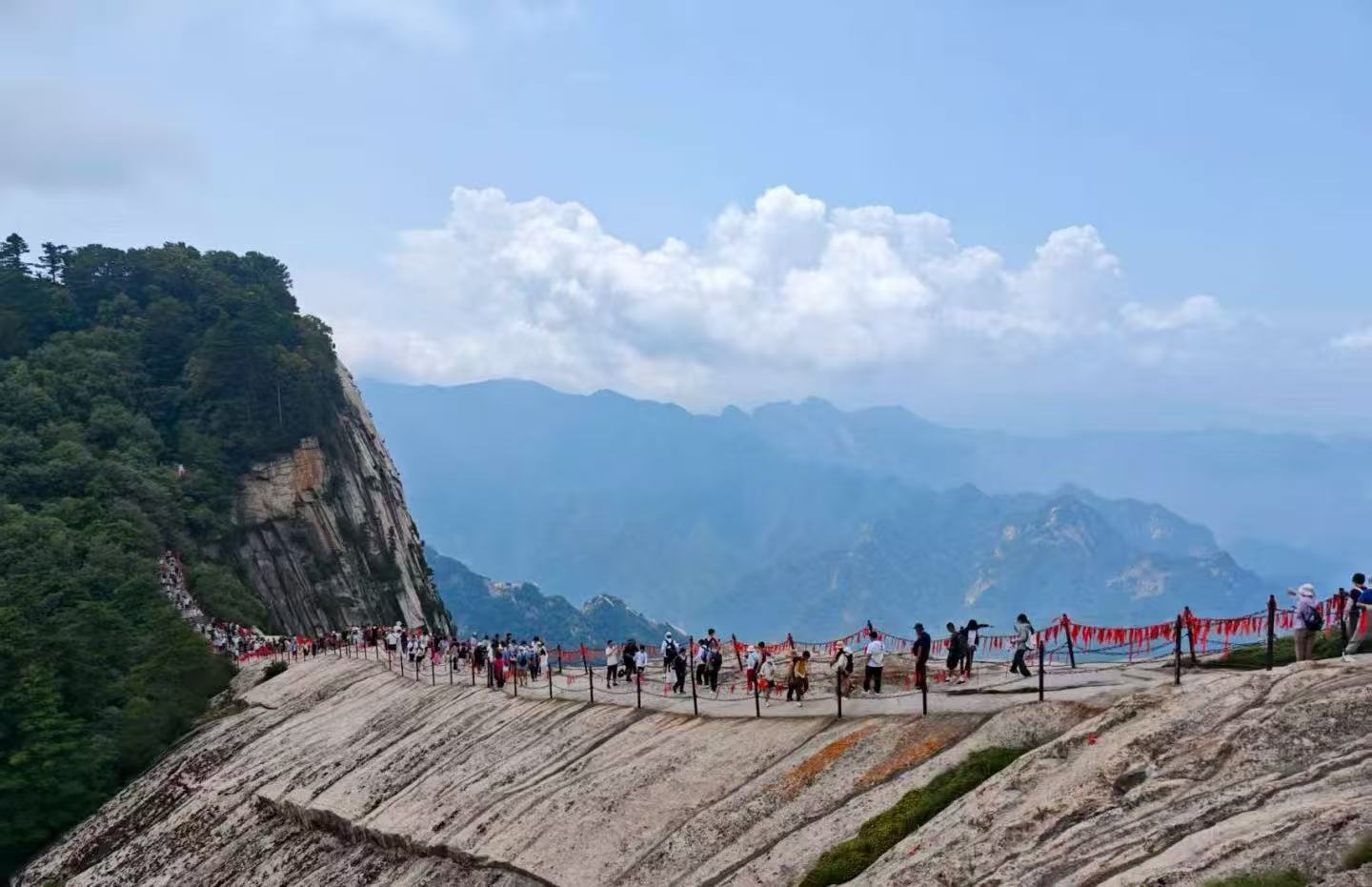
Why Mount Hua is Famous
Mount Hua (Huashan) stands out as one of China's five sacred mountains. People have respected it since the Han dynasty. During the Tang dynasty, it became the sacred mountain of the royal family. This history adds to its reputation.
You will find many reasons why hikers and travelers love this mountain:
The hiking trails are known as some of the most dangerous in the world. Thrill-seekers come from everywhere to test themselves.
Ancient Taoist temples dot the mountain. You can learn about Taoism and Chinese culture as you explore.
Rich stories and legends surround Mount Hua. These tales make your adventure feel magical.
When you hike here, you get more than just a workout. You witness awe-inspiring sunrises, sunsets, and seas of clouds. The mountain's grand views and spiritual atmosphere make it a must-visit for anyone looking for a unique hiking experience.
Note: Many travelers say the views at the top are worth every step. Bring your camera for those famous photo spots!
If you want a guide to help you plan your trip, you can find many options. A guide will show you the best routes and share stories about the sacred mountain. This makes your journey smoother and more meaningful.
Essential Hiking Information
Location & How to Get There
Mount Hua sits in Huayin City, Shaanxi Province. You can reach the mountain easily from Xi’an. Most travelers start their hiking adventure at the huashan visitor centre. Here’s some practical information to help you plan your trip:
Take a high-speed train from Xi’an North to Huashan North. The ride takes about 30 minutes.
Hop on a direct bus from Xi’an’s Fangzhicheng Bus Station. You’ll arrive in 1.5 hours.
Grab a taxi from Huashan Railway Station to the huashan visitor centre. The drive is only 10 minutes.
Location | Transportation Methods |
|---|---|
Huayin City, Shaanxi Province | High-speed train (30 minutes from Xi’an North to Huashan North), Bus (1.5 hours from Xi’an), Taxi (10 minutes from Huashan Railway Station) |
Transportation from Xi’an and Major Cities
You have several ways to get to Mount Hua from Xi’an and other cities. Here’s some practical information about travel times and costs:
Transportation Option | Duration | Price (CNY) |
|---|---|---|
High-speed Train | 30-38 min | 54.5/89.5/175.5 |
Bus from Xi’an | 1.5 hours | 39.5 |
Intercity Bus from Airport | 1h50min | 55 |
Intercity Railway from Airport to Xianbei | 33 min | N/A |

When you arrive, you’ll find the huashan visitor centre is your main starting point. Staff can answer questions and share information about hiking routes.
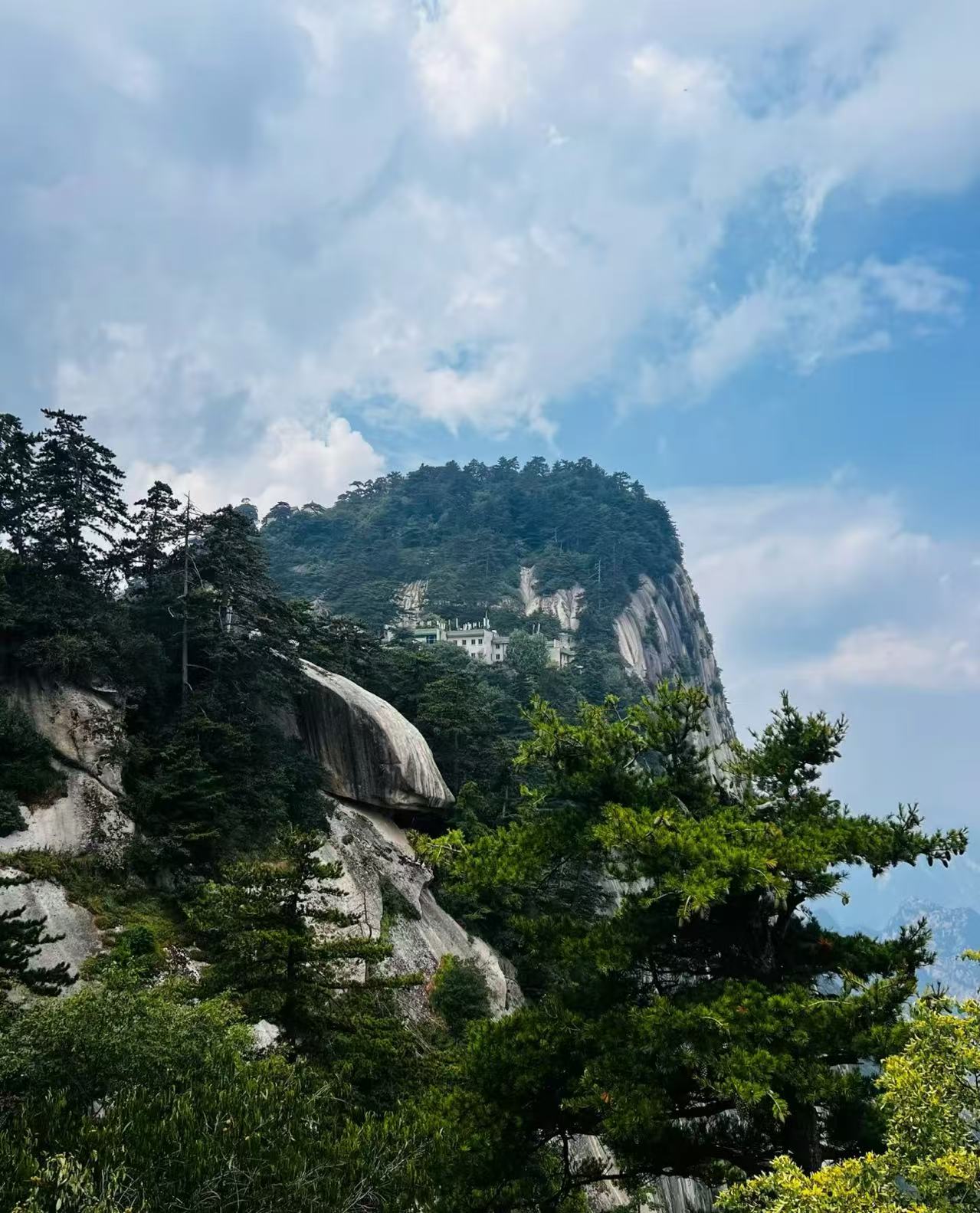
Entry Tickets & Costs
You need a ticket to enter Mount Hua. You can buy tickets at the huashan visitor centre or online. Prices change depending on the season and the route you pick. Most tickets include entry and cable car rides. If you want help with booking or need more information, China Explorer Tour can make your trip easier. Their team knows the best ways to get tickets and can guide you through the process.
Tip: Buy your tickets early during busy seasons. This saves you time and helps you avoid long lines.
Mount Hua Hike Routes
Main Peaks Overview
Mount Hua has five main peaks, each with its own character and story. You will find that every peak offers something special, whether you want amazing views, peaceful spots, or a bit of adventure. Here’s a quick look at each one:
South Peak (Luoyan Feng): This is the highest peak at 2154.9 meters. You get stunning views and sheer cliffs here. Many people say the scenery from this peak is breathtaking.
East Peak (Zhaoyang Feng): Standing at 2096.2 meters, this peak is famous for sunrise views. The Chaoyangtai platform is the best place to watch the sun come up.
Central Peak (Jade Maiden Peak): At 2037.8 meters, this peak is known for its lush forests and the Jade Maiden Shrine. The area feels calm and green.
West Peak (Lianhua Feng): This peak, also called Lotus Flower Summit, rises to 2082.6 meters. It has a unique charm and is a favorite for many hikers.
North Peak (Yuntai Feng): The lowest of the five at 1614.9 meters, this peak is important because of its historical hiking trail. Many people start their journey here.
You will see that the peaks are connected by a network of trails. Some are steep and narrow, while others are easier to walk. The peaks also have ancient taoist temples, adding a spiritual touch to your adventure.
Beginner-Friendly Routes
If you are new to hiking or want a less challenging experience, you have good options. Some routes are much easier and safer for beginners. Here’s a table to help you choose:
Route Description | Difficulty | Average Duration | Best For |
|---|---|---|---|
West Peak Uphill + West Peak Downhill | Easy (1/10) | 4–5 hours | Families with children or elderly travelers |
West Peak Uphill + North Peak Downhill | Moderate (2/10) | 5–7 hours | Popular choice with minimal uphill hiking |
The West Peak Uphill + West Peak Downhill route is the easiest. You can enjoy the beauty of the peaks without too much effort. The West Peak Uphill + North Peak Downhill route gives you a bit more challenge but still feels safe for most people. Both routes let you see several peaks and enjoy the famous scenery.
If you want to try the full 12km trek, you can, but it takes more time and energy. Most beginners prefer to use the cable cars to skip the hardest parts.
Cable Car Options
Cable cars make your hike much easier. You can use them to reach the main peaks without climbing endless steps. Here are the main options:
North Peak up West Peak down route: Take the cable car up to North Peak. From there, hike across Middle Peak, East Peak, and South Peak. When you finish, ride the cable car down from West Peak.
West Peak up North Peak down route: Start with the cable car to West Peak. Hike to South Peak, East Peak, and Middle Peak. Then, take the cable car down from North Peak.
The North Peak cableway is very helpful for beginners. It lets you reach the key point for climbing the other four peaks. You save energy and time, so you can focus on enjoying the views and the hiking trail. The cable cars also help you avoid the steepest and most crowded trails.
Tip: Buy your cable car tickets early, especially during busy seasons. This saves you time and helps you plan your hike better.
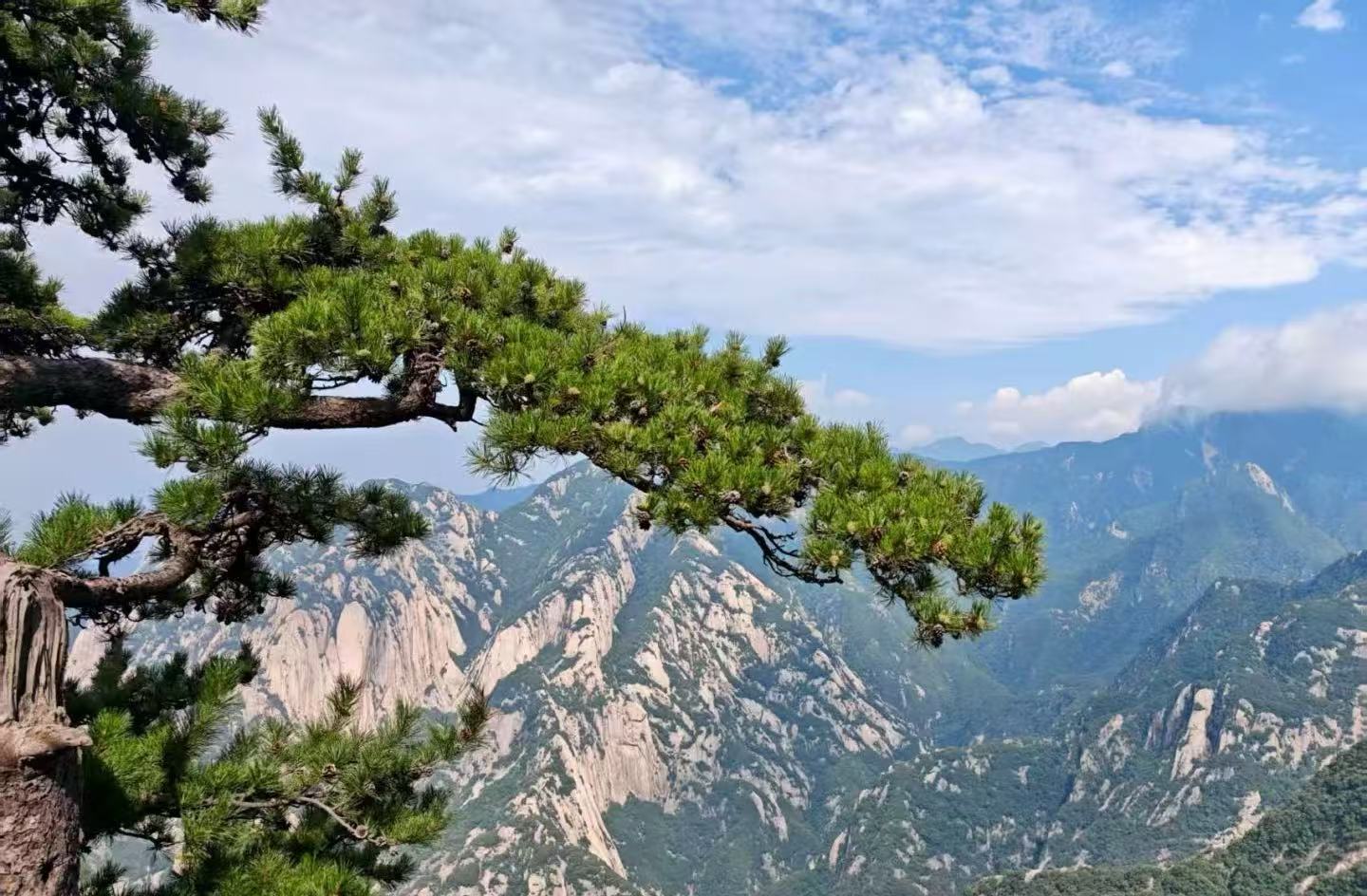
The Plank Walk Experience
If you want a thrill, you can try the plank walk in the sky. This is one of the most famous parts of Mount Hua and is often called the world's most dangerous hike. The plank walk in the sky sits on the eastern side of South Peak, which is the highest of the five peaks. You walk along a narrow wooden path attached to the cliff, with only iron chains to hold onto.
The plank walk in the sky is about 130 meters long and has three sections. The upper part has safety guardrails. The middle part is almost vertical, so you must grip the chains tightly. The lower part is the most challenging, where you step into stone holes and cling to the cliff. Safety is very important here. You must wear a safety rope, and there are rules about who can join. People under 150cm tall, over 50 years old, or with certain health conditions cannot take part. Good shoes are a must.
Many hikers come to Mount Hua just for this adventure. If you try the plank walk in the sky, you will never forget the feeling of standing high above the clouds, looking out over the peaks and valleys.
Note: The plank walk in the sky is not for everyone. If you feel nervous about heights, you can skip it and still enjoy the other peaks and trails.
You now have the information you need to pick the best route for your hike. Whether you want to explore all five peaks, enjoy the cable cars, or test your courage on the plank walk in the sky, Mount Hua has something for everyone.
Trail Experience & What to Expect
Trail Conditions & Scenery
You will find that Mount Hua offers a mix of easy and challenging trails. Some paths feel steep and narrow, while others are wide and smooth. If you want a relaxed experience, you can use the cableway to reach North Peak or West Peak. This option lets you enjoy the beautiful scenery without a tough climb. If you hike the full route on foot, you get to see all the scenic sites, but it takes more time and energy.
Route Type | Description | Duration |
|---|---|---|
Cableway Access | North Peak and West Peak can be reached directly by cableway. | 1 day (with cableway) |
Full Hike | Hiking all the way up and down on foot allows for touring all scenic sites. | 2 days |
You will see lush forests, dramatic cliffs, and ancient temples along the way. The view from west peak is especially stunning, with clouds rolling over the mountains. Every turn brings a new sight, so keep your camera ready.
Weather & Seasonal Tips
Weather on Mount Hua changes with the seasons. Spring brings cool air and fresh green views. Summer feels warm, but the higher you go, the cooler it gets. Autumn gives you crisp air and colorful leaves. Winter can be cold and snowy, so dress warmly.
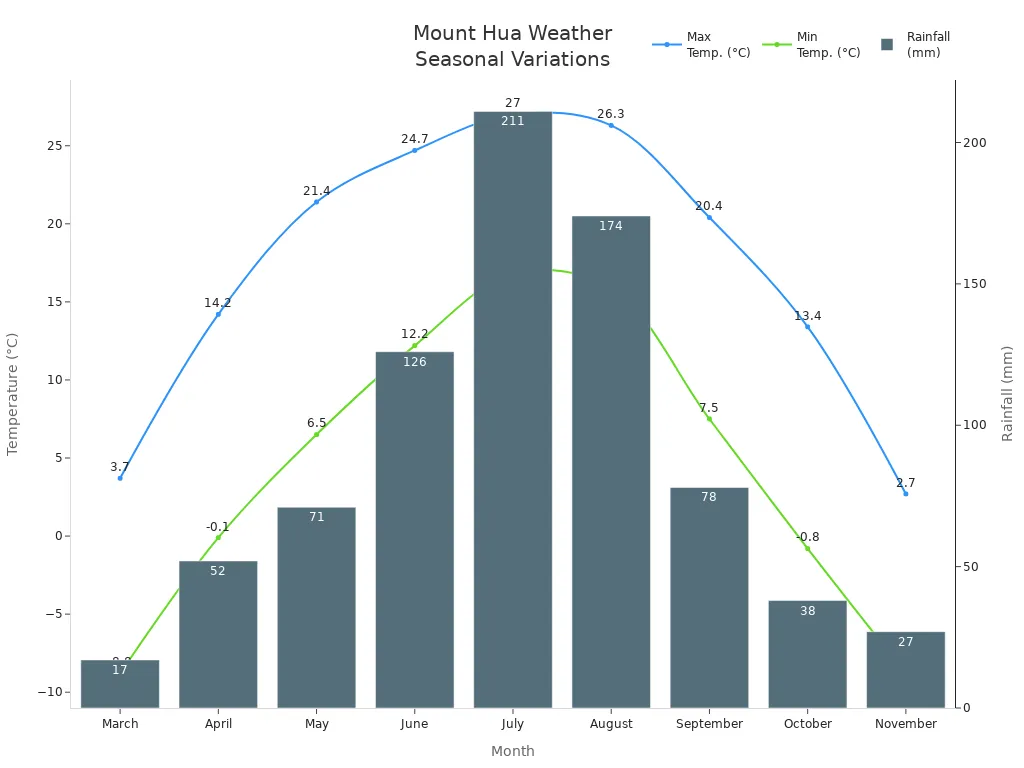
Here’s some information on what to wear each season:
Spring (March - May): Cotton-padded clothes, sweater, comfortable shoes, gloves.
Summer (June - August): Sportswear, overcoat for higher spots, sunhat, light gloves.
Autumn (September - November): Layers, long-sleeve shirt, light coat, rent a thick coat for evenings.
Winter (December - February): Down jacket, thermal underwear, snow boots.
Always check the weather before your hike. Rain can make the trails slippery, so take care.
Famous Spots for Photos
Mount Hua is full of amazing photo spots. You can catch the sunrise at East Peak or the sunset from a high ridge. The sea of clouds at West Peak looks magical. Some favorite places for photos include:
Clouds Sea in West Peak
Archway at the Foot of Mount Hua
Luxuriant Vegetation on Mount Hua
Huashan North Peak
Chess-Playing Pavilion Near East Peak
Mount Hua sunrise and sunset
Huashan Plank Walk
Steep Huashan Mountain Stairs
You will find beautiful scenery everywhere you look. Many hikers wake up early to catch the sunrise, while others stay late for the sunset. No matter when you visit, you will leave with great memories and stunning photos.
Safety Tips for Mount Hua Hiking
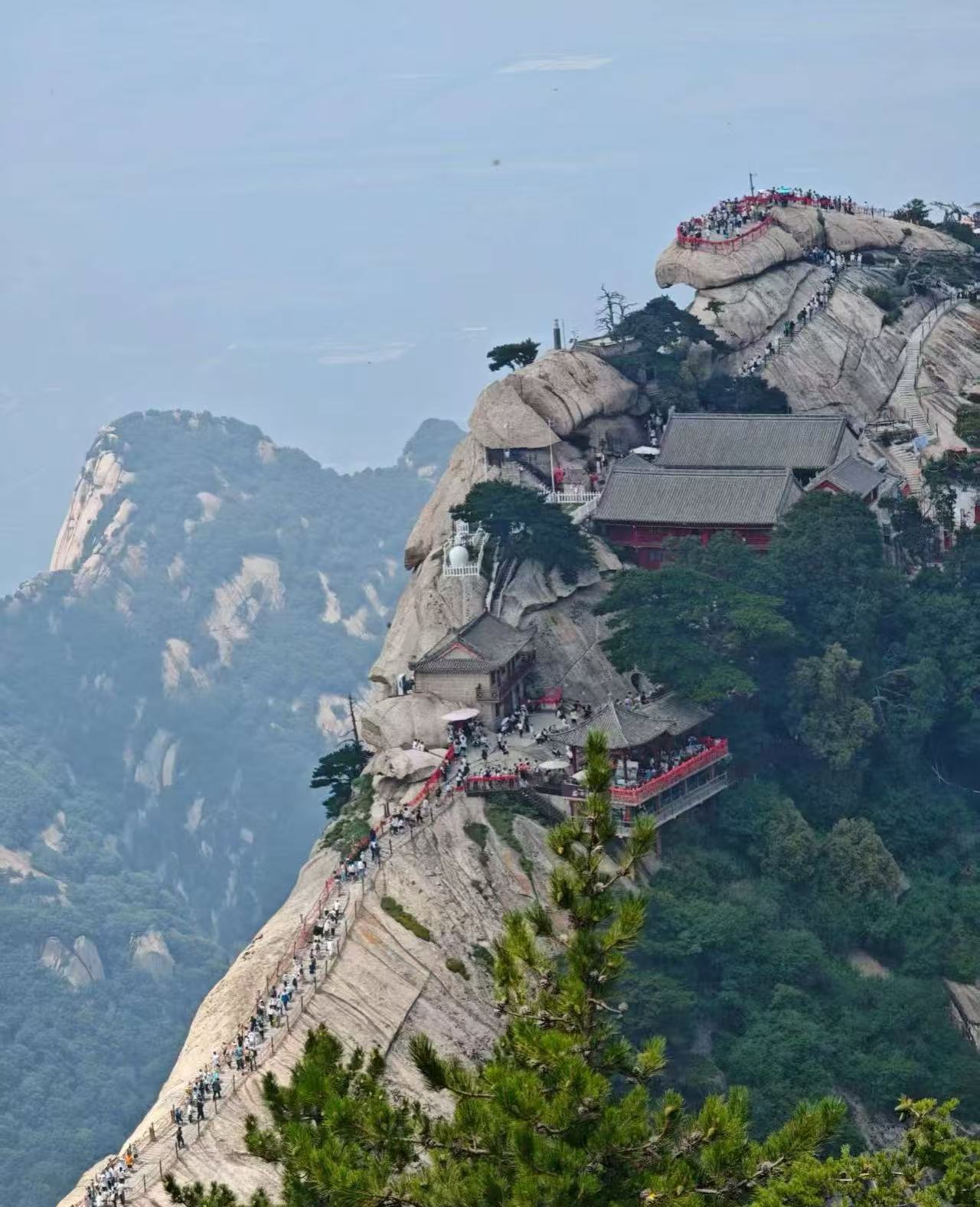
Staying Safe on Steep Trails
Mount Hua’s trails can feel tough, especially when you reach the steep staircases. You might see narrow paths and sharp drops. You need to pay close attention to your footing. Always wear sturdy shoes with good grip. Gloves help you hold onto chains and rails. Here’s a quick look at the most common safety risks and official guidelines:
Safety Risk/Guideline | Description |
|---|---|
Weather Conditions | Weather can change fast. Check the forecast and bring layers for warmth and rain. |
Altitude Sickness | The mountain is high. Drink water, move slowly, and watch for headaches or dizziness. |
Trail Conditions | Some trails are steep, narrow, and slippery. Good shoes and caution keep you safe. |
Crowds and Congestion | Busy days mean more people on the path. Stay alert and follow guides’ instructions. |
Tip: If you feel dizzy or short of breath, find a safe spot and rest. Drink water and let your body adjust.
Dealing with Crowds
Mount Hua gets busy, especially during holidays and weekends. You might find yourself waiting on narrow paths. Stay patient and keep an eye on your belongings. If you hike with friends, agree on a meeting spot in case you get separated. Listen to staff and guides for important information. Early mornings or weekdays usually have fewer people. You can enjoy the scenery and take photos without feeling rushed.
Stay calm in crowded areas.
Move slowly and avoid pushing.
Watch for sudden stops on the trails.
Emergency Contacts
You should always keep emergency numbers handy. If you need help, look for staff at the visitor center or along the hiking route. They know the mountain well and can give you quick assistance. Here are some useful contacts:
Mount Hua Visitor Center: 0913-436-2333
Local Emergency Services: 110 (Police), 120 (Medical)
China Explorer Tour Support: Check your booking information for direct help
Note: Save these numbers on your phone before you start your hike. Quick access to help makes your adventure safer.
Packing Guide for Your Hike
Essential Gear & Clothing
Packing smart makes your hike much easier. You want to feel comfortable and safe, no matter the season. Here’s what you should bring:
Winter (November to March): Wear thermal underwear, a sweater, and a down jacket. The mountain gets cold, especially at the top.
Late Spring and Early Autumn (April, May, September, October): Choose long sleeves for daytime. Bring a thick coat for chilly nights.
Summer (June to August): Pack T-shirts for the day. Carry a coat for the summit and evenings. A light raincoat helps if it rains.
Footwear: Pick comfortable, antiskid sports shoes or hiking boots. Good shoes help you grip the steps and avoid slips.
Tip: Gloves protect your hands on chains and rails. A hat and sunglasses shield you from the sun.
Food, Water & Snacks
You need to stay energized during your hike. Food is hard to find on Mount Hua, so plan ahead. Most hikers pack their own snacks and water. Here’s what works best:
Bring at least two bottles of water. You’ll get thirsty on the climb.
Pack high-energy snacks like nuts, granola bars, or chocolate.
Instant noodles and roasted sausages are sold at some vendors, but prices go up as you climb.
Take mini-breaks to eat and drink. This keeps your energy up.
You can buy gear, food, and water on the mountain, but it costs more.
Note: Packing your own snacks saves money and time. You won’t have to wait in line at busy stalls.
Useful Apps & Maps
Navigation is easy if you use the right apps. Download maps before your trip. Here are some popular choices:
App Name | Features |
|---|---|
Locus Map | Topographic maps, POI selection, easy downloads, great for walking or driving. |
OsmAnd | Route planning, driving directions, clear topographical maps, simple navigation. |
Organic Maps | Offline GPS, no ads, privacy-focused, low battery use. |
You can use these apps to find trails, check your location, and plan your route. Organic Maps works well if you want to save battery and avoid ads.
Tip: Always keep a paper map as backup. Phones can run out of battery.
Costs, Food & Accommodation
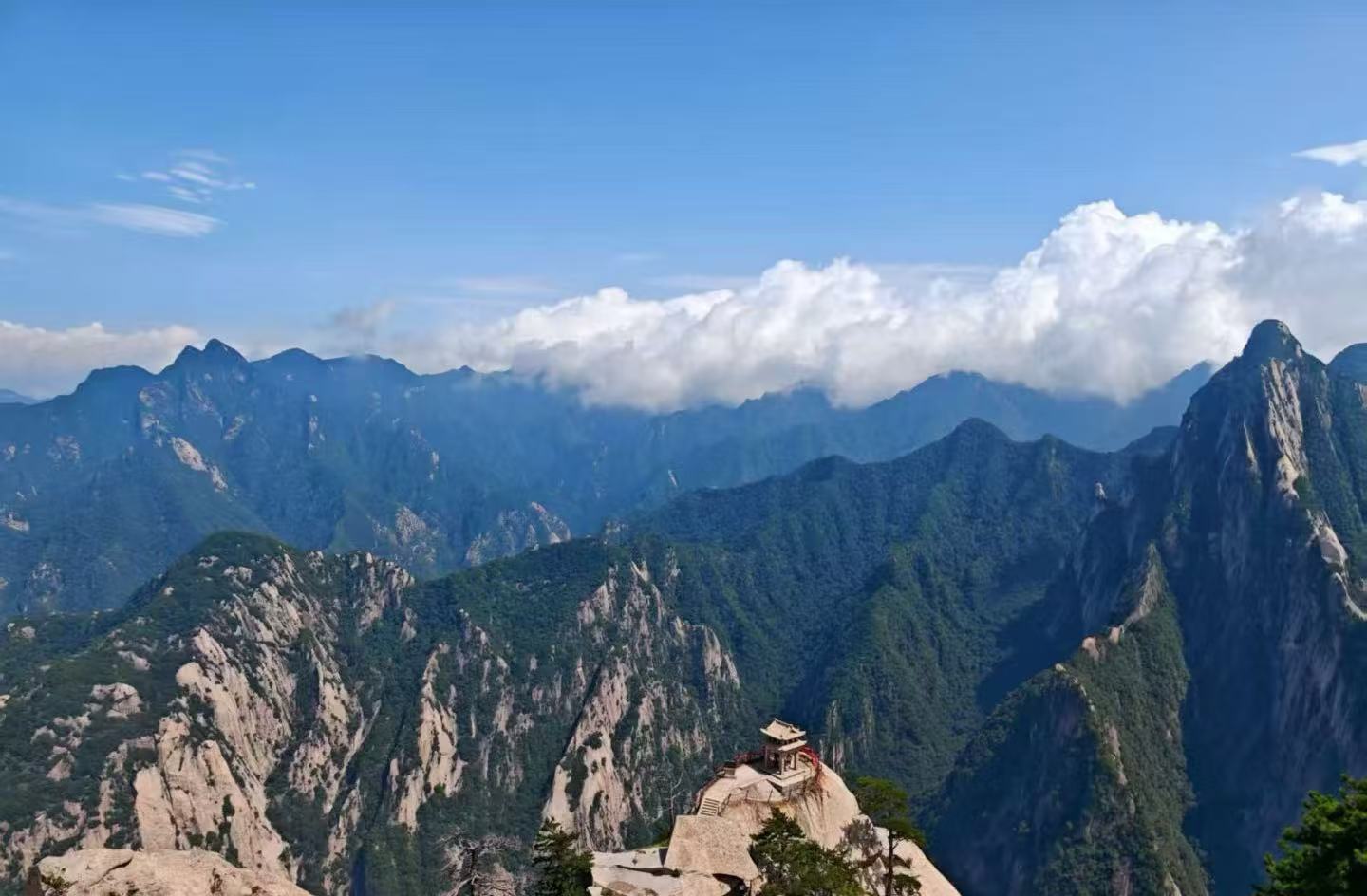
Budgeting for Your Trip
You might wonder how much you need for a Mount Hua adventure. Most travelers spend money on tickets, food, and a place to sleep. Entry tickets cost between 100 and 180 CNY, depending on the season. Cable car rides add 80 to 140 CNY each way. If you want to save, bring your own snacks and water. Food and drinks on the mountain cost more than in town. Plan for extra costs if you want to try the plank walk or buy souvenirs.
Tip: Carry some cash. Not all vendors accept cards or mobile payments.
Food Options on the Mountain
You will find food stalls and small shops along the main trails. They sell instant noodles, sausages, bottled water, and snacks. The higher you go, the more you pay. Some hikers bring sandwiches, fruit, or energy bars from town. Hot meals are available at a few rest stops, but choices are simple. If you want a real meal, eat before you start your hike or after you come down.
Popular snacks: Roasted sausages, instant noodles, boiled eggs
Drinks: Bottled water, tea, soft drinks
Note: Pack your trash and help keep the mountain clean.
Where to Stay Nearby
You have several places to stay near Mount Hua. Some travelers pick hotels at the base, while others stay on the mountain for sunrise views. One popular choice is the Mount Hua East Peak Hotel. It costs about USD 139 per night and offers a 24-hour front desk, wake-up calls, and a restaurant. You can rest after your hike and enjoy a hot meal.
Accommodation Name | Average Price | Amenities |
|---|---|---|
Mount Hua East Peak Hotel | USD 139 | 24-hour front desk, wake-up call, restaurant |
Other options include guesthouses and budget hotels in Huayin City. Book early during busy seasons. You will find a place that fits your needs and budget.
Guided Tours & Support
China Explorer Tour Services
China Explorer Tour can help you have a great Mount Hua hike. Their team knows what travelers need. You get more than just a guide. They offer private rides, English-speaking guides, and choices for hiking or cable cars. You can pick a guided trip or go on your own. The team helps you plan every part of your trip. This makes you feel ready and sure about your hike.
Here’s how China Explorer Tour is different from others:
Service Feature | China Explorer Tour | Other Providers (General) |
|---|---|---|
Guide Language Proficiency | English-speaking guide | Varies |
Duration on Mount Hua | About 3.5 hours | Often less |
Tour Customization | Guided and self-guided options | Limited customization |
Hiking and Cable Car Options | Both available | Often only one option |
Cost | $180 per person | Lower for group tours |
Included Services | Private transport, knowledgeable guide | May include fewer services |
Benefits of Tailored Tours
Booking a tailored tour with China Explorer Tour has many good points. You get a trip that fits what you like. Guides tell you stories and share local tips. You can choose what you want to see most. Many people say the guides are kind and helpful. Travelers who want an easy trip are very happy with these tours.
Tip: A tailored tour lets you spend time on things you enjoy most.
How to Book with China Explorer Tour
Booking your Mount Hua trip is simple. You can choose from different tour packages. Some tours focus on Mount Hua. Others let you visit places like the Terracotta Warriors or the Great Wall. Here are some choices:
Tour Package | Description | Highlights |
|---|---|---|
4 Days Xian Highlights Tour with Mount Huashan | Explore Xian, then hike Mount Hua with a guide | Terracotta Warriors, Mount Huashan |
7 Days Beijing Xian Tour with Great Wall & Huashan | Visit Beijing and Xian, hike the Great Wall and Mount Hua | Forbidden City, Great Wall, Mount Huashan |
3 Days Xian Mount Huashan Leisure Tour | Enjoy a relaxed pace with your own vehicle and guide | Private tour, flexible hiking, easy pace |
You can book online at China Explorer Tour. The team helps you before and during your hike. If you have questions, you can ask them anytime. Prices are clear, with no extra fees. The team is ready to help you at every step.
Note: Book early to get the best dates and guides for your trip.
Practical Tips for First-Time Hikers
Best Times to Visit
Picking the right time for your Mount Hua adventure makes a big difference. You want to enjoy cool weather, clear views, and fewer crowds. Here’s what you need to know:
The best season for hiking Mount Hua runs from April to October. The weather feels pleasant and cool, which helps you stay comfortable on the trails.
Spring and autumn bring mild temperatures and beautiful scenery. You’ll see fresh green in spring and colorful leaves in autumn.
Summer is warm but not too hot. You can hike in shorts and a T-shirt, but remember to bring a light jacket for higher spots.
Winter gets very cold, and snow sometimes covers the paths. You’ll find fewer visitors, but the hike becomes much tougher.
Visitor numbers peak during Chinese holidays, especially National Day (October 1-7). If you want a quieter experience, avoid these dates.
Tip: Try to start your hike early in the morning. You’ll beat the crowds and catch the sunrise from the peaks!
Common Mistakes to Avoid
Many first-timers make simple mistakes that can spoil their trip. You can learn from others and have a smoother journey. Here’s a quick look at what to watch out for:
Advice | |
|---|---|
Not Bringing Enough Water | Always carry enough water, even if it feels cool outside. |
Ignoring Leave No Trace Principles | Pack out all your trash and respect the mountain. |
Lack of Trail Etiquette | Stay polite, keep noise down, and don’t disturb wildlife. |
Pushing Beyond Limits | Know your limits and take breaks when you need them. |
Over-packing or Under-packing | Pack only what you need for the hike’s length and weather. |
Hiking Alone | Tell someone your plans and bring the right tools and knowledge. |
You should also remember to wear proper hiking shoes, choose moisture-wicking clothes, and always check the weather before you go. Don’t forget to bring a map or navigation app, and never skip your first-aid kit.
Final Preparation Checklist
Before you set out, double-check your gear. A good checklist helps you feel ready and safe. Here’s what you should pack:
Navigation tools like a map, compass, or GPS
A small daypack and garbage bags for trash
Shelter and sleeping gear if you plan to stay overnight (tent, sleeping bag)
Food, snacks, and a water container
Cooking tools or a small stove for longer trips
Fire-starting tools such as matches or a lighter
First-aid kit and a flashlight
Clothing that wicks sweat and a rain jacket
Personal items like a toothbrush and cellphone
Remember: Pack light, but don’t skip the essentials. A little planning goes a long way for a safe and fun hike!
You can feel confident about your mount hua (huashan) adventure. Start with a good plan, pack smart, and follow the tips in this guide. Remember to choose beginner-friendly routes and check the weather before you go. If you want a smooth mount hua (huashan) experience, consider booking with China Explorer Tour. Use the checklist, stay safe, and enjoy your hike. You will create memories that last a lifetime!
Ready to explore? Your journey starts now!
FAQ
What is the best time to hike Mount Hua?
You should visit from April to October. The weather feels cool and pleasant. Spring and autumn offer beautiful views. Summer is warm but comfortable. Winter gets cold and snowy.
Can I hike Mount Hua without a guide?
Yes, you can hike on your own. If you want extra support, book a guided tour. Guides help you choose safe routes and share local stories.
Are cable cars safe for beginners?
Cable cars are safe and easy to use. You save energy and avoid steep climbs. Staff help you board and answer questions.
What should I do if I feel tired or dizzy on the trail?
Stop and rest right away. Drink water and eat a snack. If you still feel unwell, ask for help from staff or call emergency services.