Essential Guide to Attractions Near Barkhor Street Lhasa
Lhasa has many amazing places near Lhasa Barkhor Street. Walk along this historic
street and see the towering Potala Palace. The palace is an impressive sight. Jokhang Temple is bustling with people who come to pray. Norbulingka’s gardens are filled with vibrant flowers and plants. Sera and Drepung Monasteries offer the unique experience of watching monks engage in lively debates. You can also enjoy stunning views of Tibet from these locations. The markets along Lhasa Barkhor Street are busy and colorful, where you can try famous Tibetan foods nearby. If you want to learn more about Lhasa, China Explorer Tour can help. They assist you in planning a trip that aligns with your interests.
Key Takeaways
Walk around Lhasa Barkhor Street to see spiritual life and busy markets.
Go to Jokhang Temple and Potala Palace to learn about Tibetan culture and history.
Try local Tibetan food like butter tea and yak meat at restaurants and street stalls.
Join the kora walk around Jokhang Temple to learn about local traditions.
You can take a guided tour with China Explorer Tour for a special and fun trip.
Lhasa Barkhor Street Overview
History and Significance
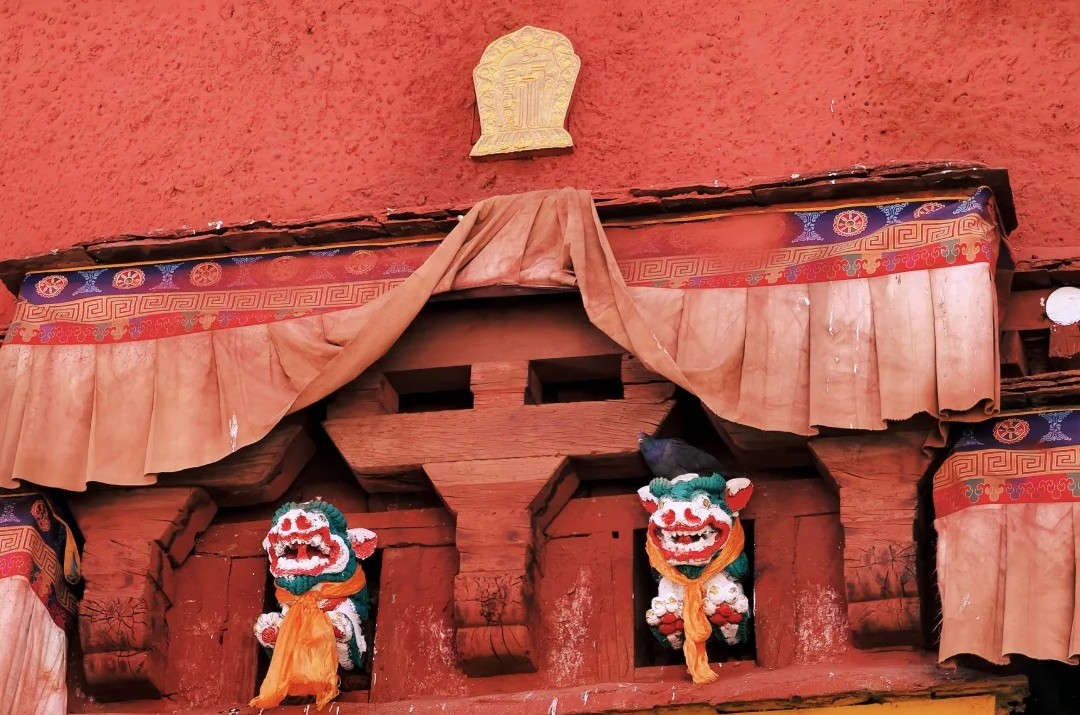
When you walk on Lhasa Barkhor Street, you step into the past. This street has been here for more than 1300 years. It began as a path for pilgrims to walk around Jokhang Temple. Later, it turned into a busy market area. Many shops, hotels, and religious places grew near the temple. Now, you see both old and new things together. This is the oldest street in Lhasa and shows Tibetan culture. People from all over Tibet visit here. You can feel the lively spirit of Lhasa old town. The street brings together both spiritual and business life.
Spiritual Role in Lhasa
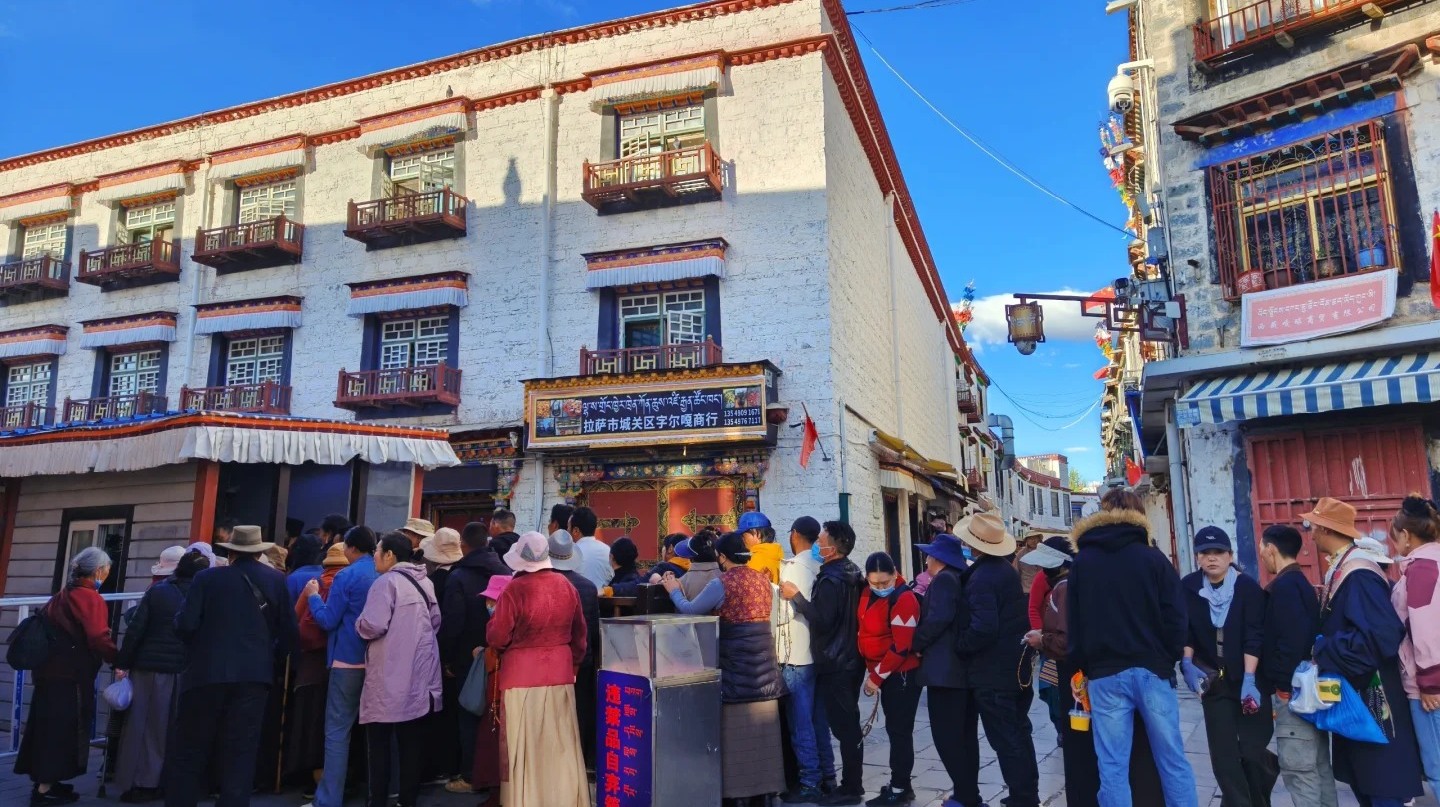
Lhasa Barkhor Street is not just any road. It is the center of spiritual life in Lhasa. Pilgrims walk the kora, which goes around Jokhang Temple. The path is about one kilometer long. People walk in a circle, spin prayer wheels, and say mantras. These are important in Tibetan Buddhism. The street becomes a place for worship. Both locals and visitors pray together here. The rituals help you connect with Tibetan traditions. You can see the strong spiritual feeling in Lhasa old town every day.
Main Features and Layout
You will see that Lhasa Barkhor Street has a special shape. It is a polygon and connects many small lanes. The street goes around Jokhang Temple and is a famous route for pilgrims. Old Tibetan buildings stand on both sides. Shops sell local crafts and goods. This area is a main shopping place in Lhasa. You will find bright markets, statues, and lots of people. Barkhor is different from other places in Tibet. The street mixes religion with daily life. You can feel Buddhism and Tibetan culture as you walk here.
Main features you will see:
Old Tibetan buildings
Shops with handmade crafts
Many pilgrims and tourists
Prayer wheels and symbols
Busy markets in Lhasa old town
Tip: If you want to see Lhasa Barkhor Street and learn about Buddhism and Tibetan culture, try a guided tour. You can find hidden places and hear stories from local guides.
What to See in Lhasa Near Barkhor Street
If you want to know what to see in Lhasa, you will find many cool places. The area around Barkhor Street has lots of things to look at. You can see old temples, big palaces, calm rivers, and busy markets. Let’s check out the best places you should visit.
Jokhang Temple
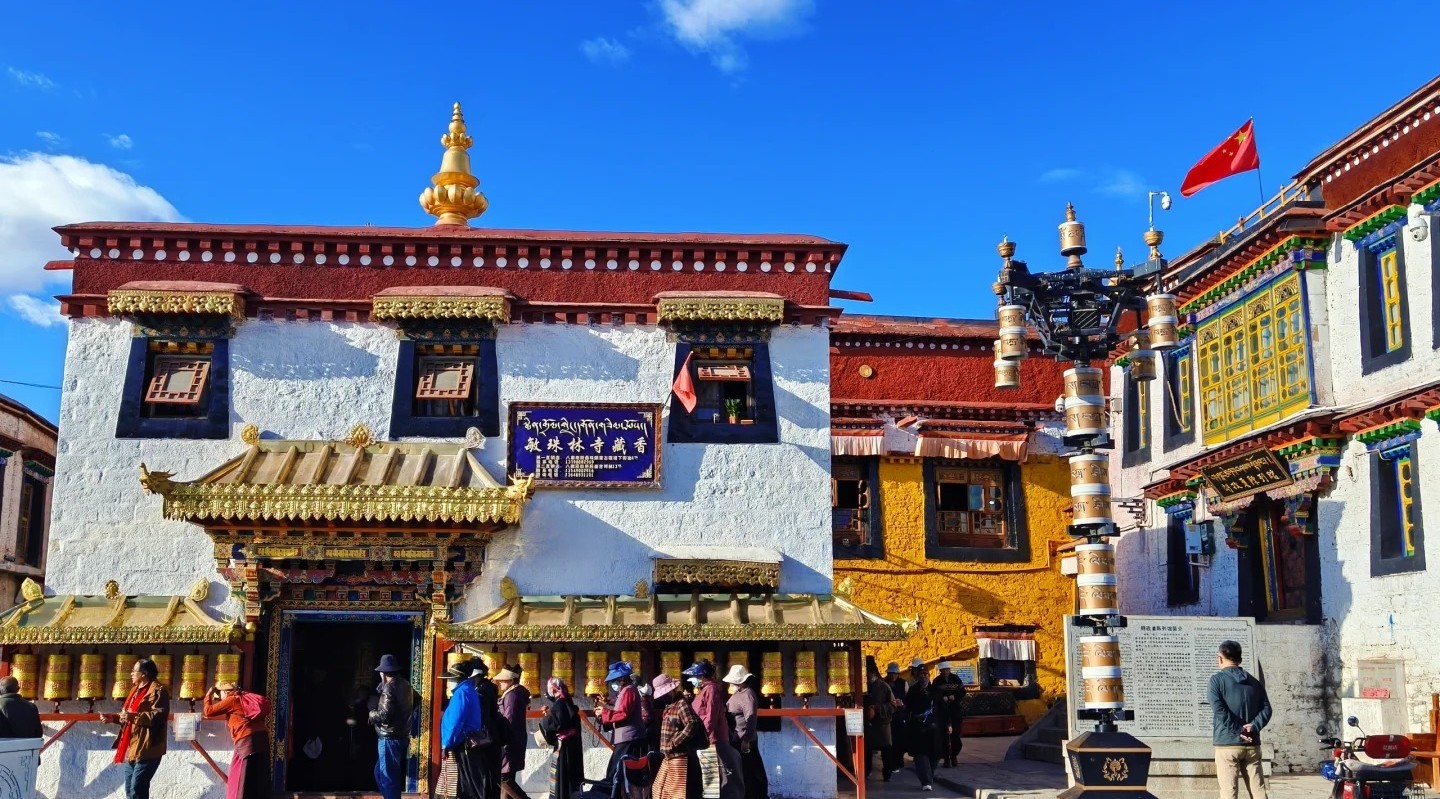
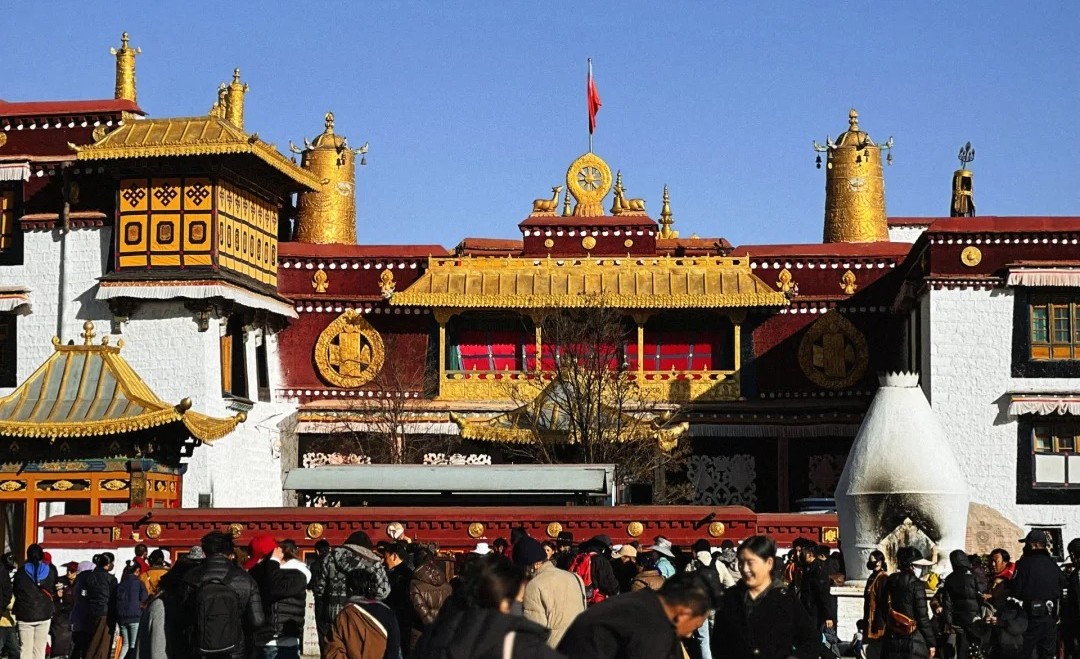
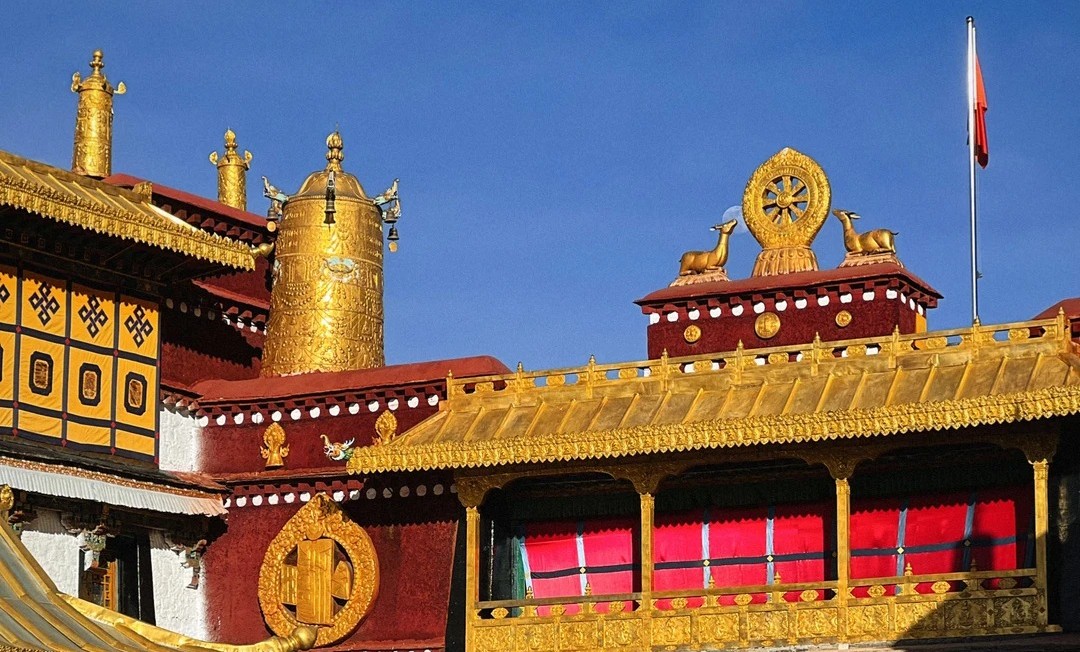
Jokhang Temple is in the middle of Lhasa. It is one of the most important places to visit. Pilgrims from all over Tibet come here to pray. The temple was built in the 7th century by King Songtsan Gampo. Inside, there is a famous statue of Sakyamuni Buddha. Princess Wencheng brought this statue from China. This statue is the most special in Tibet. Jokhang Temple is the spiritual center of Lhasa. People walk around the temple, spin prayer wheels, and say mantras. The golden roof shines in the sunlight. The air feels full of faith. The building is shaped like a Mandala, which is a symbol in Buddhism. If you want to learn about Tibetan Buddhism, start at Jokhang Temple.
Tip: Go early in the morning to see many pilgrims and feel the calm mood.
Potala Palace
Potala Palace is the most well-known place in Lhasa. If you ask what to see, most people will say Potala Palace. The palace sits on a hill and looks over the city. It was built in the 7th century and was home to the Dalai Lamas. The palace is very big, with more than 1,000 rooms. You can see pretty murals, Buddha statues, and the tombs of eight Dalai Lamas. The palace is a UNESCO World Heritage Site. The design shows both religious and government uses. This shows how important the Dalai Lamas were in Tibet. The white and red walls, golden roofs, and big stairs make Potala Palace unforgettable.
“Criterion (vi): The Historic Ensemble of the Potala Palace forms a strong and special symbol of the joining of government and religion.”
If you like history, art, or want a great view, Potala Palace is a must-see.
Norbulingka Summer Palace
Norbulingka means “Treasure Garden.” This palace is where the Dalai Lamas spent their summers. It is a quiet place with gardens, ponds, and bright flowers. Norbulingka mixes Tibetan and Han Chinese styles. You can walk through halls with art and see how the Dalai Lamas lived. The palace became a center for culture and politics during the Qing Dynasty. If you want to relax and enjoy nature, Norbulingka is a nice place.
Evidence Description | Importance |
|---|---|
Started by the Seventh Dalai Lama | Shows its start in Tibetan culture |
Was a summer home for Dalai Lamas | Shows its role in Tibet’s spiritual and political life |
Shows Tibetan heritage and mix of cultures | Stands for the blend of Tibetan and Han styles and arts |
Chakpori Hill Views
Chakpori Hill is across from Potala Palace. If you want the best photo, climb this hill. You can see the palace from the same spot as the picture on the 50 RMB bill. Many people come here at sunrise or sunset for great views. The hill is loved by tourists and pilgrims. You can see all of Lhasa and the far mountains. Bring your camera and enjoy the fresh air.
You can take great photos of Potala Palace and the city.
The hill is popular with photographers, especially at sunrise and sunset.
Chakpori Hill gives you the classic 45-degree view of Potala Palace.
Sera Monastery
Sera Monastery is one of the three main monasteries in Lhasa. If you want to see something special, come in the afternoon. Monks meet in the yard to debate Buddhist ideas. They clap, stomp, and ask questions. This helps monks learn and remember lessons. Sera Monastery also has pretty halls with statues and murals. The Tsochin Hall can hold up to 5,000 monks. The Dharma Protectors Hall has a 600-year-old statue of Hayagriva, a guardian. Watching the debates is one of the most fun things in Lhasa.
Attraction | Description |
|---|---|
Tsochin Hall | The main hall, 1,092 square meters, fits 5,000 monks, with colorful murals and statues. |
Dharma Protectors Hall | Has the 600-year-old Hayagriva Statue, a guardian, bringing many people for worship. |
Sera Debate | A special tradition where monks debate Buddhist texts, held in a yard, helping them learn. |
Drepung Monastery
Drepung Monastery is another top place in Lhasa. People call it the “Nalanda of Tibet” because it is a center for Buddhist learning. The monastery has four colleges, each with different teachings. Monks here study texts, practice debates, and do rituals. Daily life at Drepung Monastery is full of prayers, meditation, and study. You can walk through big halls, see old books, and watch monks work. If you want to learn about Tibetan education and religion, Drepung Monastery is a must-see.
Drepung Monastery is a center for Gelugpa learning.
Monks study important books and practice debates.
The monastery has four colleges: Loseling, Gomang, Deyang, and Ngagpa.
The schedule has prayers, meditation, and group activities.
Ramoche Monastery
Ramoche Monastery is one of the oldest temples in Lhasa. It was built in the 7th century, around the same time as Jokhang Temple. Ramoche is quieter and less crowded, so you can have a calm visit. The temple has a special statue of Buddha Shakyamuni, also brought by Princess Wencheng. The building shows both Tibetan and Han Chinese styles. Ramoche Monastery helped spread Buddhism in Tibet. If you want to see a different side of Lhasa’s religious life, add Ramoche to your list.
Ramoche Temple was built in the 7th century.
It has a special statue of Buddha Shakyamuni.
The building mixes Tibetan and Han Chinese styles.
Lhasa River
The Lhasa River flows near Barkhor Street and gives a quiet break from the busy city. You can walk by the river, have a picnic, or just enjoy the view. The river is a nice place to relax after seeing the sights. Some people like to swim or fish here. The sunsets over the river are beautiful and make a perfect end to your day in Lhasa.
The Lhasa River is a calm waterway for swimming, fishing, picnics, and camping. The views are very pretty at sunset.
China Explorer Tour: 8-Day Everest Base Camp Tibet Tour
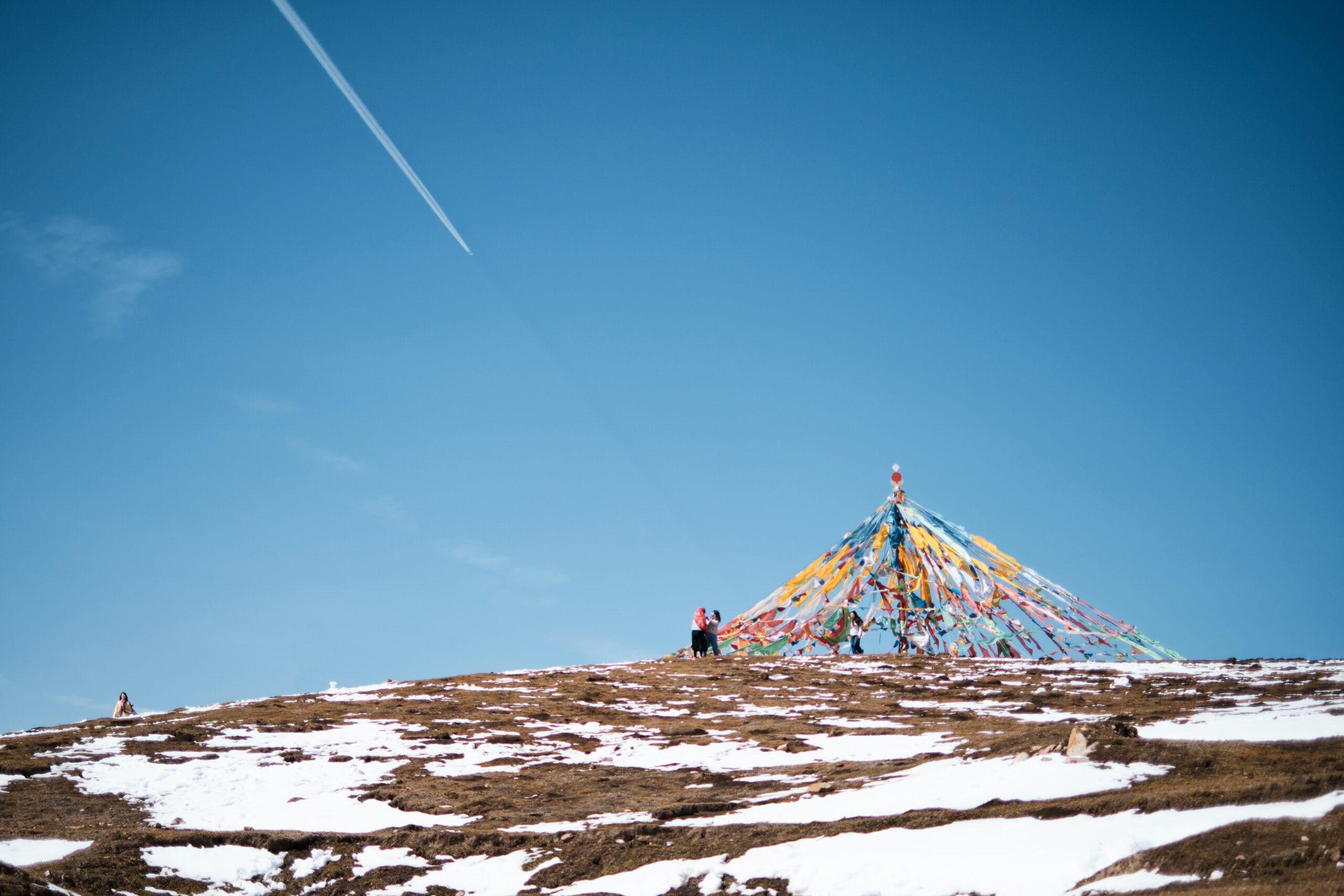
If you want to see more of Tibet, try the 8-Day Everest Base Camp Tibet Tour from China Explorer Tour. This trip starts in Lhasa and takes you to many famous places, like Jokhang Temple, Barkhor Street, Potala Palace, and more. You will travel with guides who know the best places and hidden spots. The tour is planned to help you get used to the high altitude and enjoy your time.
Day 1: Visit Jokhang Temple and Barkhor Street, see local culture and art.
Day 4: Go from Lhasa to Shigatse, stop at Yamdrok Lake and Palcho Monastery.
Day 5: Go to Mount Everest, see Gawula Pass, Rongbuk Monastery, and Everest Base Camp.
China Explorer Tour uses smart AI tools to plan tours that fit your interests and style. This means your trip feels special and easy, with all details handled. You will see famous places and find hidden gems, making your trip in Tibet amazing.
Note: With China Explorer Tour, you can see what to do in Lhasa and more, with help from local experts and good planning.
More Sights and Markets Near Barkhor Street
If you want to see more, don’t miss these fun places:
Barkhor Street: The center of Lhasa, full of shops, crafts, and pilgrims.
Chongsaikang / Tromsikhang Market: A local market with fresh food and daily items.
Lhasa Ethnic Tourism Handicraft Market: Great for buying souvenirs.
Tianhai Night Market: Good for snacks and evening walks.
These markets make your list of things to see in Lhasa more exciting. You will find special crafts, taste local snacks, and meet nice people.
Remember, the best way to enjoy these places is to take your time, talk to people, and enjoy the feeling. Lhasa has many surprises, and every corner has a story.
Where to Eat Near Barkhor Street
You might wonder where to eat near Barkhor Street after a day of exploring lhasa. This area is packed with restaurants, tea houses, and street food stalls. You can taste the real flavors of tibet and enjoy the best places to eat in lhasa. Let’s dive into the food scene together.
Tibetan Cuisine Highlights
You can try many famous tibetan dishes near Barkhor Street. Here are some must-try foods:
Butter tea: Made with tea, ghee, and salt. Locals drink it every day.
Sweet tea: Black tea, milk, and sugar make this a favorite in lhasa.
Yak meat: Try yak jerky, marinated yak, or fresh yak meat dishes.
Tibetan noodles: Thukpa is a hot noodle soup, perfect for cold days.
Tibetan yogurt: Thick and sour, made from fresh yak milk.
Highland barley wine: A local drink, slightly sweet and sour.
Tibetan cheese (churpi): Solidified yogurt, sometimes eaten as candy.
Laping: Cold noodles with chili and garlic, great for summer.
You will find these foods in many restaurants and street stalls.
Popular Local Restaurants
If you want the best local restaurants, you have great choices near Barkhor Street. Here’s a quick look:
Restaurant Name | Key Features | Must-Try Dishes | Average Cost (Yuan) |
|---|---|---|---|
Xunshi·Tibetan Seasonal Set Meal | Seasonal ingredients, creative cooking | Wild mushroom chicken soup noodles, barley cakes | 200 |
Canse Tibetan Restaurant | Authentic tibetan food, loved by locals | Potato and beef rice bowl, noodles with homemade chili | 40 |
Yangqingcang | Award-winning, classic taste | Yak hot pot, roasted mushrooms, tsampa | 110 |
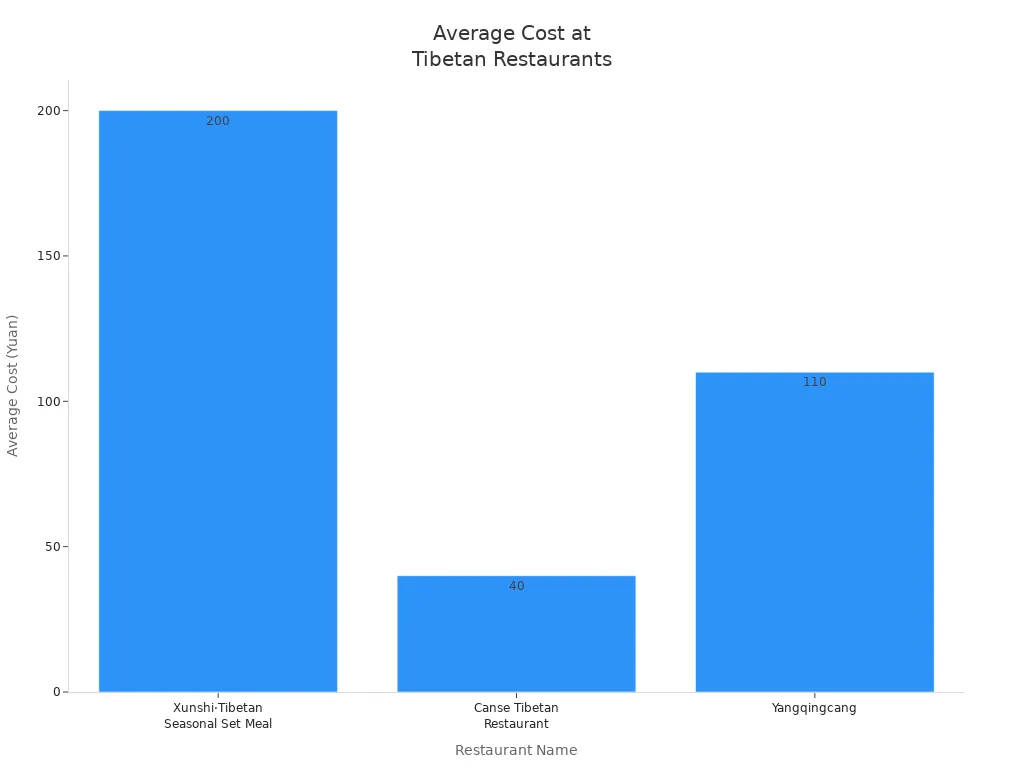
These restaurants offer the real taste of tibet. You can ask China Explorer Tour for tips on where to eat near Barkhor Street if you want a local’s advice.
Authentic Tea Houses
Tea houses in lhasa are more than places to drink tea. You step into a lively world where locals meet, chat, and relax. Guangming Gangqiong Teahouse and Jiri Tea House serve sweet tea, dumplings, and noodles. You can watch people talk, laugh, and share stories. These tea houses show you the heart of tibet’s social life.
Tip: Order a glass of sweet tea and join the conversation. You will feel like a local.
Street Food and Snacks
Street food in lhasa is fun and tasty. You can grab laping noodles, fried dough, or yak meat skewers from stalls near Barkhor Street. Many vendors sell tibetan yogurt and churpi. The smells and colors make the market exciting. If you want to try something new, just follow your nose!
You now know where to eat near Barkhor Street. From restaurants to tea houses, lhasa has something for every food lover. Enjoy the flavors of tibet and make your trip delicious.
Barkhor Street Shopping and Culture
Markets and Handicrafts
You will love exploring the markets near Barkhor Street. These places burst with color and energy. You can find authentic souvenirs from Tibet, like carpets, pulu fabric, Tibetan knives, hats, and wooden bowls. Many stalls sell traditional costumes and ornaments. The barkhor stalls offer sweet tea and local foods, making your shopping trip even more fun. If you want a special spot, check out the lhasa ethnic tourism handicraft market. This market is famous for its handmade crafts and local-made goods. Barkhor street shopping gives you a real taste of lhasa life.
Carpets and pulu fabric
Tibetan knives and swords
Traditional hats and costumes
Ornaments and wooden bowls
Local foods and sweet tea
Tibetan Art and Souvenirs
When you walk through lhasa, you will see many shops filled with Tibetan art. Handmade jewelry shines with silver, turquoise, and coral. You can find beautiful rugs with bright colors and detailed designs. Many visitors look for religious items like prayer wheels and thangka paintings. These pieces show the deep spiritual side of Tibet. Prayer flags and traditional clothing also make great souvenirs. Barkhor street shopping is the best way to bring home a piece of lhasa.
Handmade jewelry
Tibetan rugs
Thangka paintings
Prayer wheels and flags
Traditional clothing and local delicacies
Kora Pilgrimage Walks
Kora is a special walk around Barkhor Street. You join pilgrims and locals as they circle the temple, spin prayer wheels, and say mantras. This walk has happened for over 1,300 years. Kora lets you feel the mix of spiritual life and the busy markets. You see people trading, praying, and sharing stories. The kora walk is a must for anyone who wants to understand lhasa and Tibet.
Tip: Try the kora early in the morning. You will see monks, grannies, and shopkeepers starting their day.
Experiencing Local Life
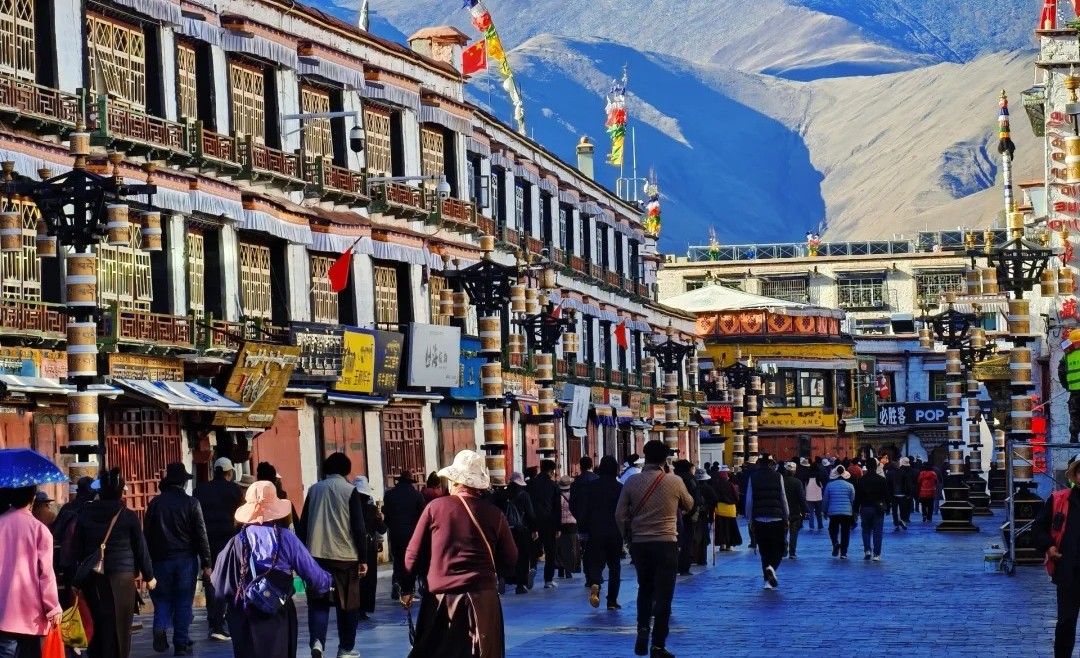
Lhasa feels alive on Barkhor Street. You can walk with locals, listen to music from shopkeepers, and watch people offer incense. Wednesdays and Fridays are the busiest days in the markets. Many people come to pray and shop. Winter brings even more visitors who want to see the lives of Tibetan pilgrims. If you want true cultural immersion, join the crowd and enjoy the sights and sounds. China Explorer Tour can help you dive deeper into local life with their AI-powered travel tips.
Practical Tips for Visiting
Navigation and Getting Around
Getting around lhasa feels easy once you know your options. Barkhor Street sits in the heart of the city, circling Jokhang Temple. You can walk most places, but buses and taxis help you reach farther sights in lhasa and around tibet. Here’s a quick guide:
Feature | Details |
|---|---|
Best Time to Visit | March to October |
Recommended Visiting Time | 1–2 hours for Barkhor Street |
Opening Hours | All day |
Entrance Fee | Free |
Transportation | Bus routes: 3, 5, 9, 11, 15, 18, 19, 24, 33, 35, 38; taxis; private car |
Cultural Advice | Walk clockwise; avoid alleys late at night |
Health Tips | Use sunglasses and sun cream for UV protection |
You can join the kora walk with locals or just watch the lively street life. If you want a smooth trip, China Explorer Tour can design a route that matches your interests and helps you find hidden corners of lhasa.
Entry Fees and Costs
You need to plan your budget for tibet. Most temples and sights in lhasa charge entrance fees. Potala Palace costs 200 CNY in peak season and 100 CNY in the off-season. Children under 1.2 meters enter for free. Other attractions in tibet usually cost between 100 and 200 RMB. Tickets sell out fast, so book early. Some scenic spots ask for extra fees for eco-buses or sightseeing buses. Always check the latest prices before you go.
Tip: China Explorer Tour can help you secure tickets and avoid missing out on popular places in lhasa.
Safety and Etiquette
You want to stay safe and show respect in lhasa and all of tibet. Dress modestly—cover your arms and legs. When you visit monasteries, remove your hat and keep quiet. Never touch sacred objects. Ask before taking photos of people, and follow rules about where you can use your camera. When you eat with locals, use your right hand and wait for everyone to be served. If you visit a home, don’t step on the threshold and add “la” after someone’s name. These small actions show respect for tibet’s culture.
Dress conservatively
Remove hats in monasteries
Ask before taking photos
Sit cross-legged when dining
Bring barley beer or butter tea as gifts
Best Times to Visit
You get the best weather in lhasa from April to October. March to October is perfect for walking Barkhor Street and exploring tibet. If you love festivals, visit in February for Tibetan New Year and the Butter Lantern Festival. June brings the Linka Festival, where you can picnic and join local celebrations. Each season in lhasa has its own charm, so pick the time that fits your style.
Note: China Explorer Tour offers custom itineraries, so you can catch the best events and weather in tibet.
You can find so much to love near Barkhor Street in lhasa. Try on a traditional Tibetan costume and feel the spirit of tibet. Taste butter tea and yak meat stews for a real flavor of lhasa. Walk through Tianhai Night Market and see how locals enjoy life in tibet. Every corner shows you something new, from ancient temples to lively markets. With China Explorer Tour’s AI-powered planning, you get a journey in tibet that matches your style. Explore both famous sights and hidden gems for memories that last.
FAQ
How do I get to Barkhor Street from Lhasa city center?
You can walk to Barkhor Street from most hotels in Lhasa. Taxis and public buses also stop nearby. Just ask your hotel staff for the best route.
What should I wear when visiting temples near Barkhor Street?
Wear clothes that cover your arms and legs. Bring a hat for the sun, but remove it inside temples. Dress modestly to show respect for local customs.
Can I take photos inside the temples?
Most temples do not allow photos inside. Always look for signs or ask a staff member before you use your camera. Respect the rules and the people praying.
Is it safe to eat street food near Barkhor Street?
Yes, you can try street food. Choose busy stalls with lots of customers. The food is usually fresh and tasty. If you have a sensitive stomach, start with cooked snacks.
How can China Explorer Tour help me plan my trip?
China Explorer Tour uses smart AI tools to create custom travel plans. You get help with tickets, guides, and local tips. Your trip becomes easy and fun.