Top Tips for Visiting Jinhua Shuanglong Cave in Zhejiang

Looking for the best way to explore Jinhua Shuanglong Cave? You’re in for a treat! This famous spot in Zhejiang lets you ride a boat right into the cave’s mouth, see cool rock shapes, and feel the air get crisp and cool inside. Plan your visit early, so you can skip the crowds and enjoy every corner. Get ready for a journey packed with fun, adventure, and real local flavor.
Key Takeaways
Try to go early so you miss big crowds. You will have a quiet time in the cave. Wear shoes that do not slip. Bring a light jacket because the cave is cool. The ground can be slippery. Use a translation app to talk to people. Most people here do not speak English. You can join a guided tour for less stress. The tour gives you a ride and shares local facts. Take pictures of the cave with your camera. The water area has special light that looks amazing.
Jinhua Shuanglong Cave Highlights
Location & Significance
You’ll find Jinhua Shuanglong Cave just outside Jinhua city in Zhejiang province. This spot sits in a lush, green valley surrounded by rolling hills. People have visited this cave for centuries, and you can feel the history as soon as you arrive.
The cave connects to local legends about dragons. The name means “Double Dragon Cave” because the stalactites at the entrance look like two dragons.
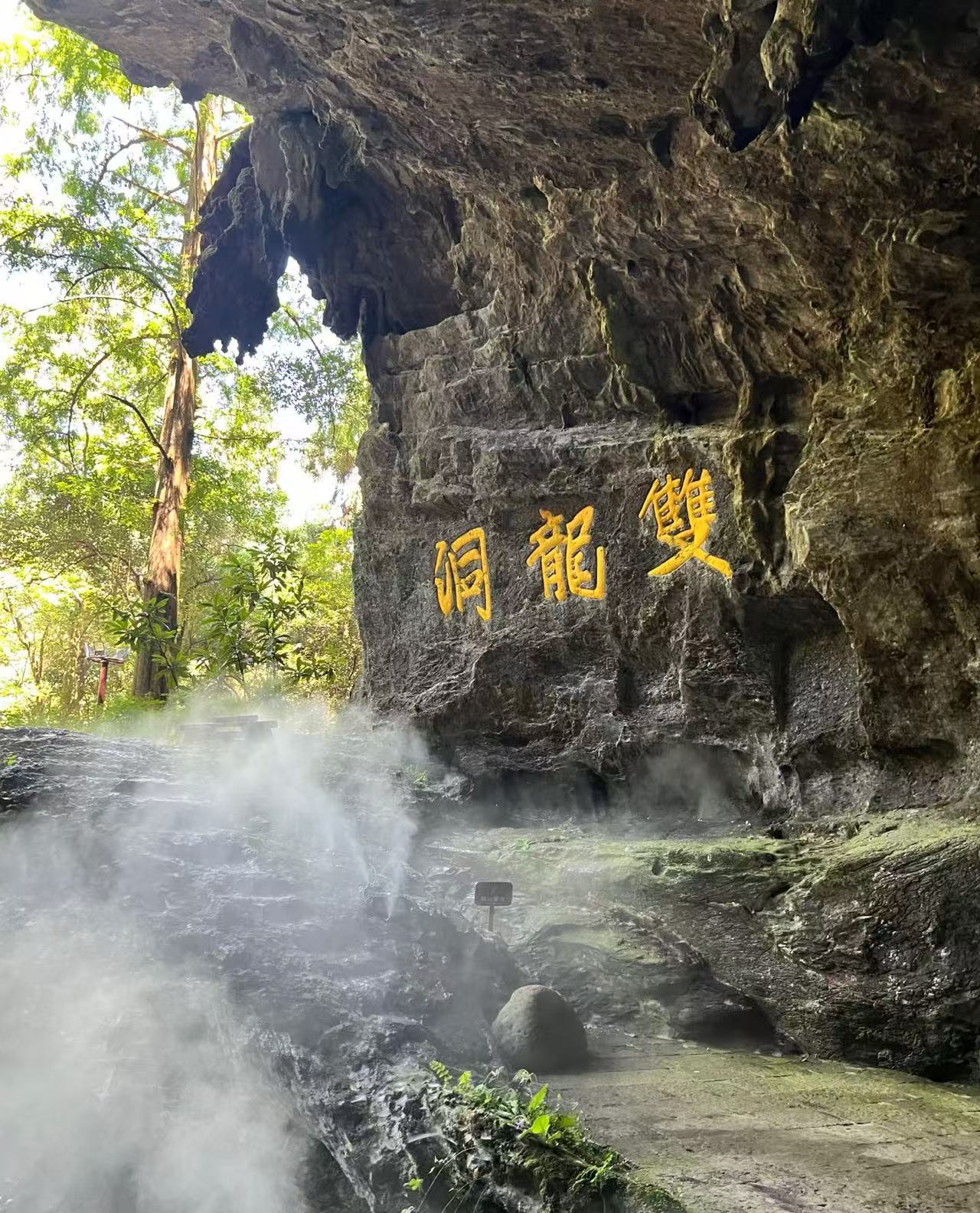
Ancient records show that people wrote about the cave as early as the Tang Dynasty. You can still see the name “Shuanglong Dong” carved above the entrance.
Famous scholars, like Fang Feng in the Song Dynasty, described the cave’s beauty and dragon shapes.
In the 17th century, explorer Xu Xiake praised the cave for its scenery and easy access.
The area became a protected scenic site in 1985 and a national key scenic area in 1994.
Jinhua Shuanglong Cave stands as a spiritual place for both Daoist and Buddhist visitors. Temples nearby show how these traditions mix together.
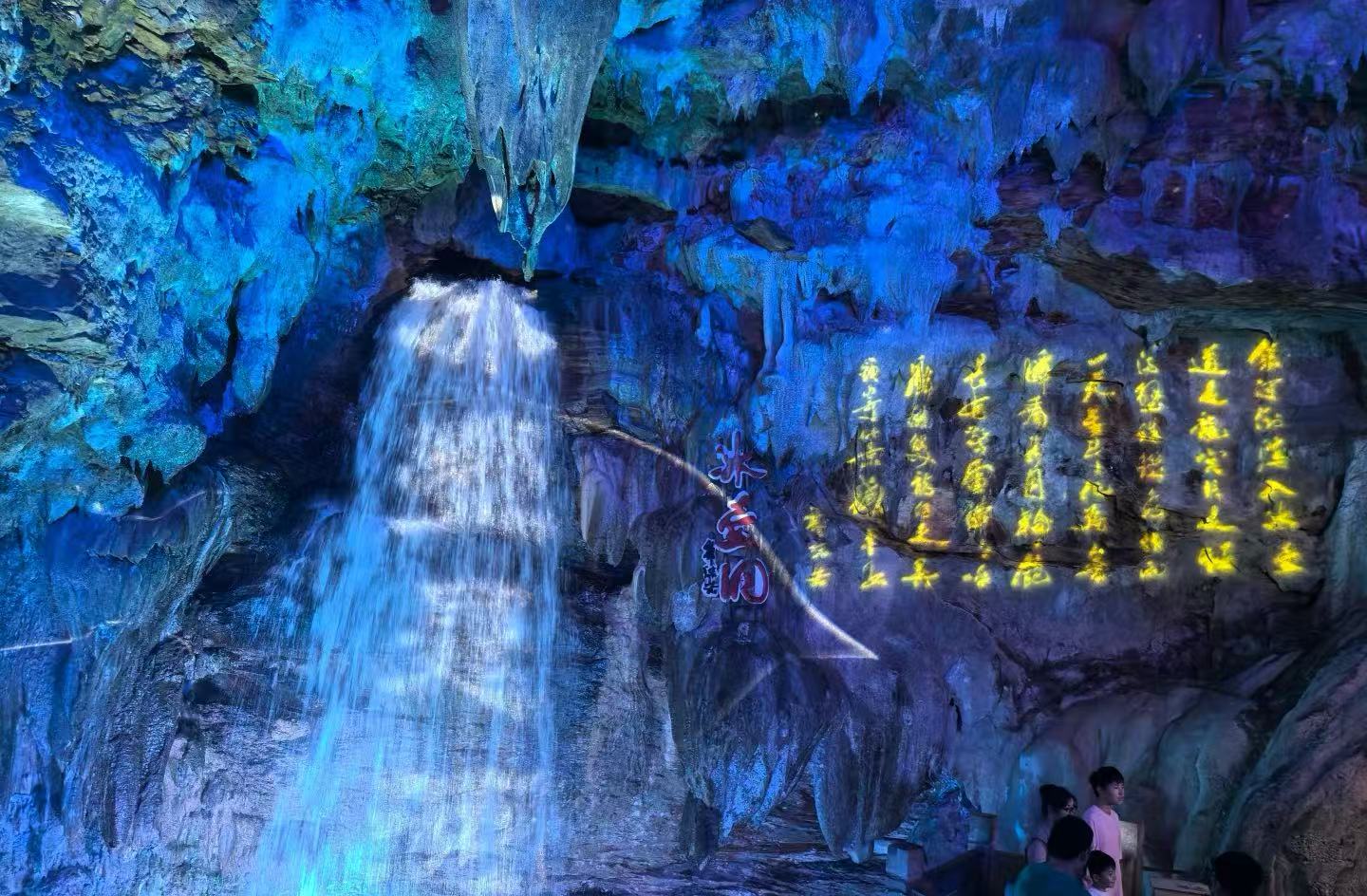
You’ll spot old poems and calligraphy carved into the rocks, adding to the cave’s cultural charm.
Main Attractions
Get ready for some real adventure! The most exciting part starts right at the entrance. You’ll hop into a small boat and glide through a narrow opening—sometimes you even need to duck your head. The water is clear and cool, and the air feels fresh as soon as you enter.
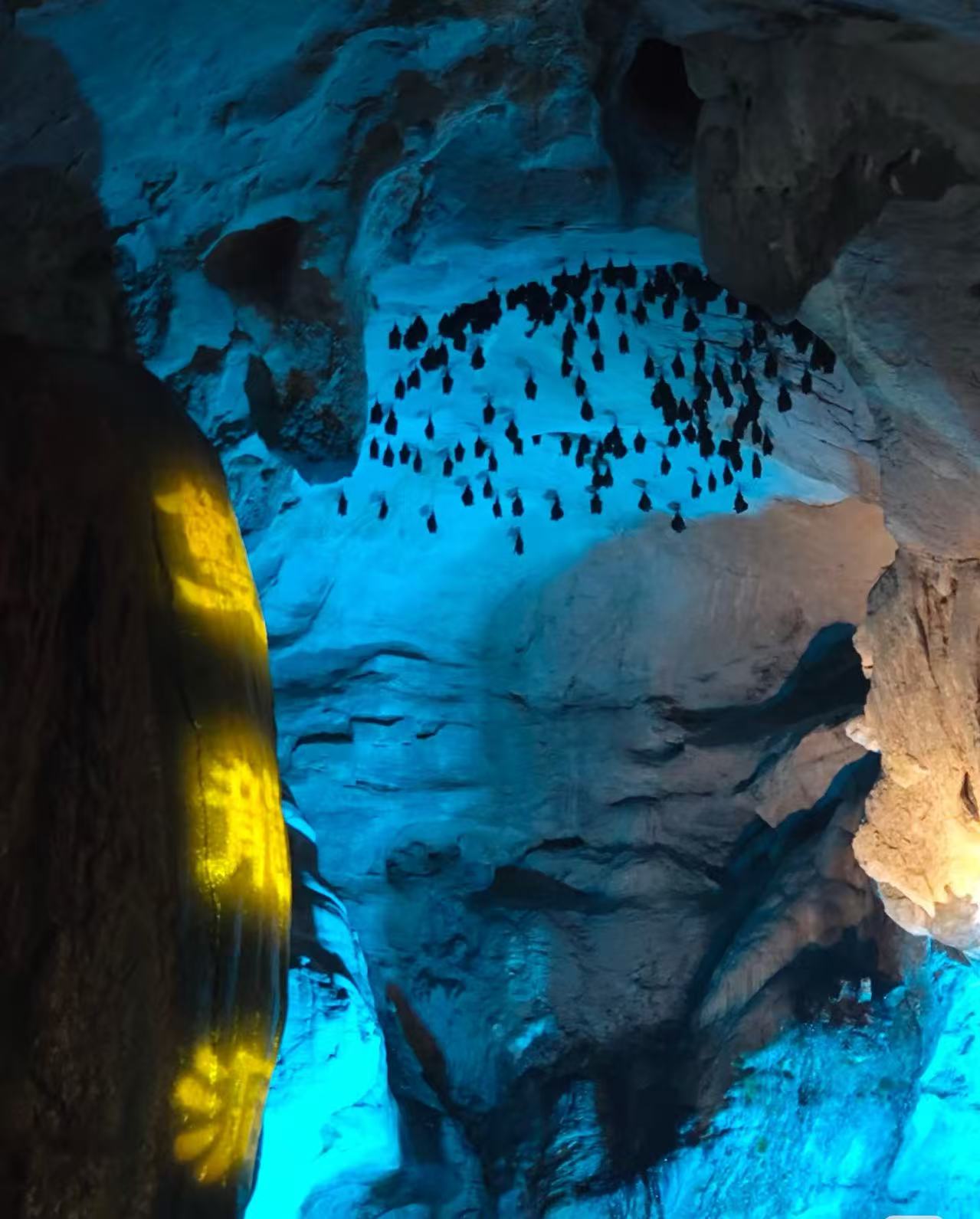
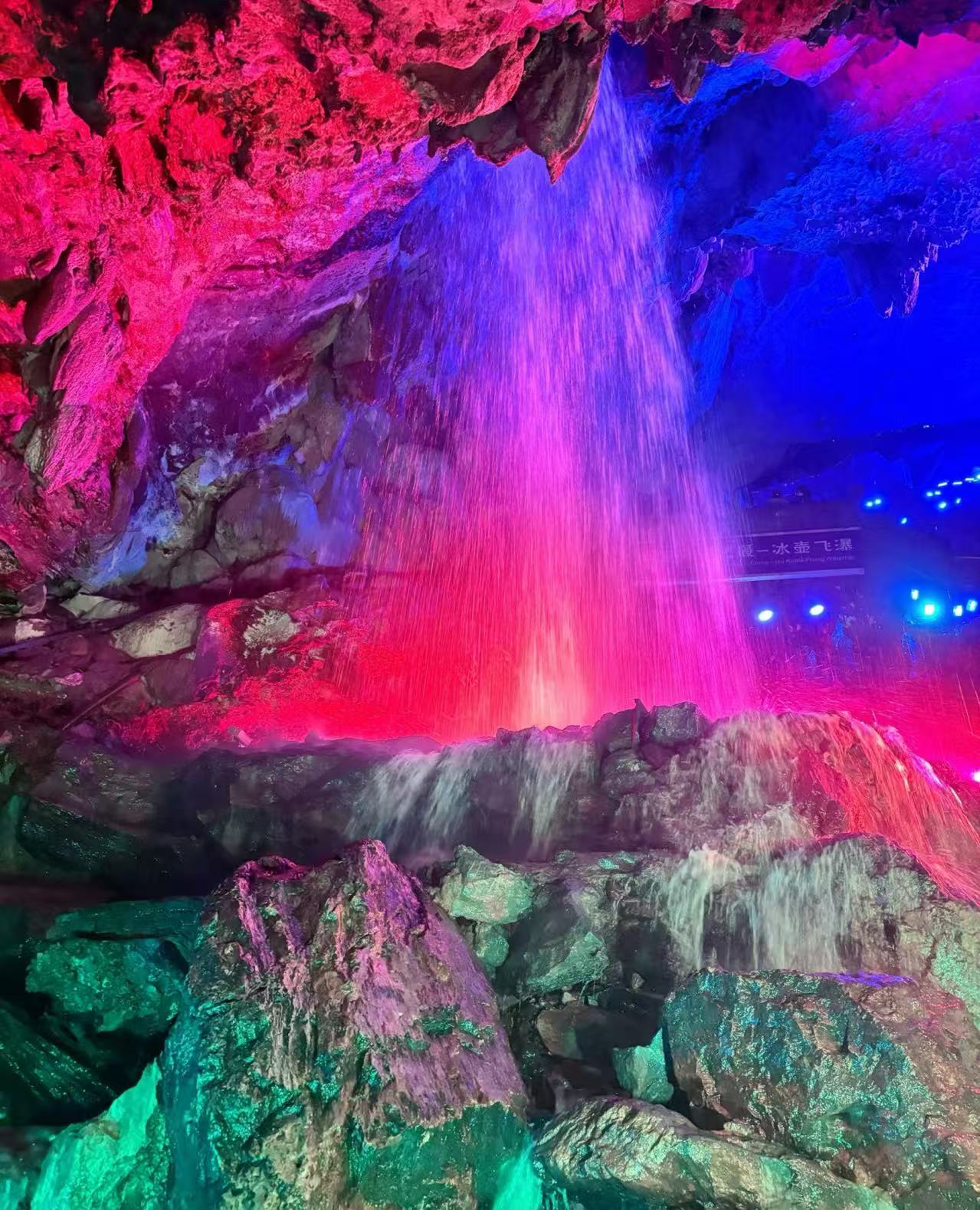
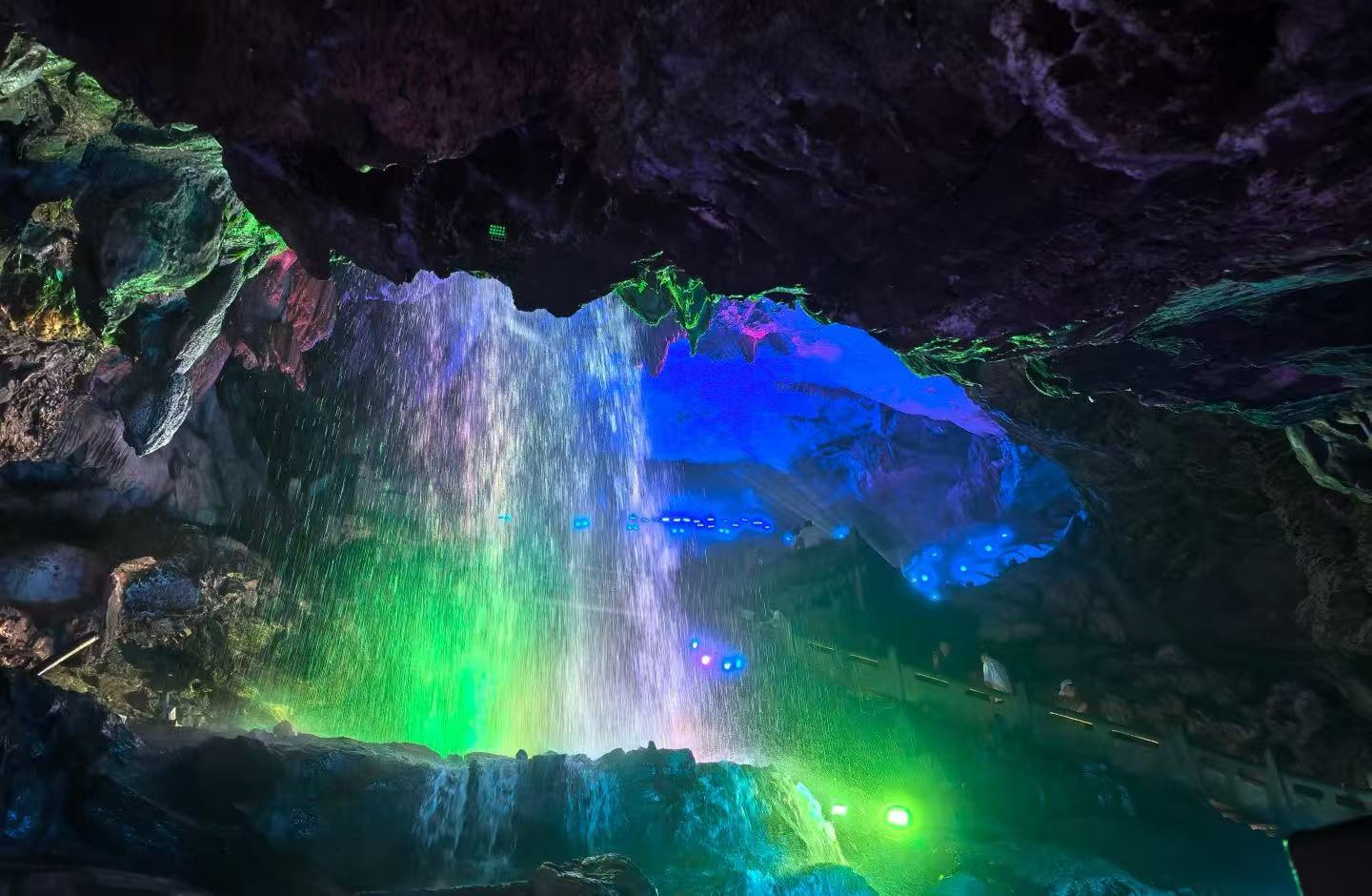
Inside, you’ll see amazing rock formations shaped by nature over thousands of years. The cave stays cool all year, so you might want to bring a light jacket, even in summer. Look for the “double dragons” at the entrance—they’re the stars of the show. You can follow classic walking routes that lead you past sparkling stalactites, underground rivers, and hidden chambers.
Tip: Bring your camera! The lighting inside the cave creates magical photos, especially near the water.
Jinhua Shuanglong Cave offers a mix of history, legend, and natural beauty. You’ll leave with stories to tell and photos to share.
Getting to Jinhua Shuanglong Cave
Transportation Options
You have several ways to reach Jinhua Shuanglong Cave. If you start from Shanghai or Hangzhou, the high-speed train is the fastest and most comfortable choice. Trains run often, and you can relax and enjoy the scenery along the way. Here’s a quick look at the travel times from Shanghai to Jinhua:
Route | Travel Time | Train Type |
|---|---|---|
Shanghai to Jinhua | 1h 35m – 2h 05m | G-series Fuxing |
Shanghai to Jinhua | 1h 45m – 2h 20m | G/D services |
Shanghai to Jinhua | 3h 50m – 5h 30m | Conventional trains |
From Hangzhou, the ride is even shorter—usually about one hour by high-speed train. Once you arrive at Jinhua Railway Station, you can take a taxi or use a local bus to reach the cave area.
Tip: Book your train tickets in advance, especially during weekends or holidays. Trains can fill up quickly!
Local Directions & Access
After you get to Jinhua city, you’ll find it easy to reach the cave. The site sits about 15 kilometers from downtown. Taxis are quick and convenient, and the ride takes around 30 minutes. If you prefer public transport, look for buses heading toward Shuanglong Scenic Area. Bus stops and signs are clear, and locals are friendly if you need help.
You’ll spot the entrance signs as you get close. The main gate is easy to find, and staff can answer questions in basic English.
Parking Info
Driving your own car? No problem! The scenic area has a large parking lot near the entrance. Parking is usually free or costs a small fee. Spaces fill up on busy days, so try to arrive early in the morning. The lot is paved and safe, with clear signs pointing you to the ticket office and cave entrance.
Note: If you join a China Explorer Tour, your guide will handle all the transport details, so you can just sit back and enjoy the ride!
Entry & Tickets
Ticket Prices
You want to know how much it costs to visit? Ticket prices for adults usually range from 60 to 80 RMB, depending on the season. Kids and seniors often get discounts, so bring your ID or passport. Sometimes, combo tickets are available if you want to see other nearby attractions. You can pay with cash or use popular mobile payment apps like Alipay or WeChat Pay at the ticket office.
You have a few ways to buy tickets:
Buy tickets in person at the main entrance.
Get tickets online through Trip.com.
Check out China Dragon Tours for more details.
Buying online can save you time, especially during busy seasons.
Opening Hours
Jinhua Shuanglong Cave opens early and closes in the late afternoon. Most days, you can visit from 8:00 AM to 5:00 PM. The last boat usually leaves about 30 minutes before closing. Hours might change during holidays or special events, so check ahead if you plan to visit during a festival or national holiday.
Tip: Arrive early in the morning to enjoy the cave before the crowds show up. The light is also better for photos!
China Explorer Tour Packages
Want a stress-free visit? China Explorer Tour offers tailored packages that handle all the details for you. You get help with tickets, transportation, and even local guides who speak English. These tours let you relax and focus on the adventure. You can join a group or ask for a private tour that matches your interests. With China Explorer Tour, you get clear prices and no hidden fees. Your guide will share stories, help with photos, and make sure you see the best parts of the cave.
If you want to explore more of China, check out their other trips, like the 5-Day Hidden Gem – Guizhou Retreat. You’ll find unique experiences and real local flavor on every tour.
Best Time to Visit
Weather & Seasons
You want to enjoy your trip, so picking the right season matters. Jinhua has a mild climate most of the year. Spring (March to May) brings fresh air, blooming flowers, and comfortable temperatures. You can walk around without feeling too hot or cold. Summer (June to August) gets warm and humid, but the cave stays cool inside. If you visit in summer, you’ll love the refreshing air once you step into the cave. Fall (September to November) offers clear skies and colorful leaves. Many travelers say autumn is the best time for photos. Winter (December to February) feels chilly outside, but the cave keeps a steady, cool temperature. Bring a light jacket, even in summer, because the cave can surprise you with its coolness.
Tip: Spring and autumn give you the best mix of weather and scenery.
Peak vs. Off-Peak
Crowds can change your experience. Weekends and Chinese public holidays bring more visitors. You might wait longer for the boat ride or see bigger groups inside the cave. If you like a quieter visit, plan your trip on a weekday or during the off-peak months. Early mornings also help you beat the rush. The cave feels more peaceful, and you get better chances for photos without people in the background.
Season | Crowd Level | Experience |
|---|---|---|
Spring/Fall | Moderate | Pleasant, scenic |
Summer | High | Cool cave, busy |
Winter | Low | Quiet, crisp air |
Events & Festivals
You can catch special events near Jinhua Shuanglong Cave if you time your visit right. The Jinhua Lantern Festival happens every year around Chinese New Year. This festival lights up the area with thousands of colorful lanterns. You’ll see performances, parades, and food stalls everywhere. The festival draws big crowds and creates a lively, festive mood. If you love culture and don’t mind the buzz, this is a great time to visit.
Jinhua Lantern Festival: Colorful lantern displays
Traditional performances and parades
Local snacks and food stalls
Note: Festival times get busy, so book your tickets and hotel early if you want to join the fun!
Travel Tips for Jinhua Shuanglong Cave
What to Wear & Bring
You want to feel comfortable and safe during your cave adventure. The air inside stays cool, so pack a light jacket or sweater, even if it’s hot outside. Choose clothes that let you move easily. You’ll walk, duck, and maybe even crawl a bit. Non-slip shoes are a must. The cave floor gets slippery, especially near the water. Sneakers or hiking shoes work best.
Bring a small backpack for your essentials. Place your backpack on the boat when you enter, so it doesn’t fall into the water. Pack a flashlight or headlamp. Some areas inside get dark, and extra light helps you see where you’re going. Don’t forget your camera or phone for photos. The cave’s lighting and rock shapes make for amazing shots.
Here’s a quick checklist to help you pack:
Item | Why You Need It |
|---|---|
Light jacket | Cave stays cool |
Non-slip shoes | Slippery surfaces |
Small backpack | Carry essentials safely |
Flashlight | Dark areas inside |
Camera/phone | Capture memories |
Tip: Leave bulky bags at your hotel. You want to move freely and avoid bumping into rocks.
Safety & Health
Safety comes first when you visit Jinhua Shuanglong Cave. The boat ride at the entrance is fun, but you need to pay attention. Lie flat in the boat and avoid lifting your head. The cave’s opening is low, sometimes just the size of a fist. If you look up, you might bump your head. Stay still until you’re inside.
Watch your step as you walk through the cave. The ground gets slippery, so walk slowly and use handrails when you see them. Some spots are dark, so use your flashlight and keep your eyes on the path. If you feel nervous in tight spaces, take a deep breath and move at your own pace. The cave can feel narrow in places, but most visitors adjust quickly.
Here are some safety tips to remember:
Place your backpack on the boat to keep it secure.
Lie flat and avoid moving during the boat entry.
Don’t look up when passing through low ceilings.
Wear non-slip shoes for better grip.
Use a flashlight in dark areas.
Move slowly and watch for wet spots.
If you feel anxious or claustrophobic, let your guide know.
Note: Guides from China Explorer Tour know the cave well. They help you stay safe and enjoy every part of the journey.
Cave Navigation
Navigating the cave feels like an adventure. You start with the boat ride, then follow marked paths through chambers and tunnels. The classic route takes you past the famous “double dragons,” sparkling stalactites, and underground rivers. Signs show you where to go, and staff can answer questions if you get confused.
Stick to the main paths. Don’t touch the rock formations. Oils from your hands can damage them over time. If you want the best photos, look for spots where the cave opens up and light reflects off the water. Early morning visits give you softer light and fewer people in your shots.
Here’s how to make the most of your visit:
Follow the marked route for the best views.
Stop at open chambers for photos.
Avoid touching cave walls and formations.
Ask guides for stories about the cave’s history.
Take your time and enjoy the cool air.
Tip: If you join a China Explorer Tour, your guide will point out hidden corners and help you find the best photo spots.
You’ll leave Jinhua Shuanglong Cave with great memories, stunning photos, and a real sense of adventure.
Where to Stay & Eat
Hotels & Guesthouses
You want a good night’s sleep after exploring the cave. You’ll find plenty of hotels and guesthouses near Jinhua Shuanglong Cave. Most places get high marks for cleanliness and friendly staff. Many sit close to the cave and the local food street, so you can walk everywhere. Prices stay reasonable, and travelers say these spots offer great value.
Here’s what guests like most:
Review Summary | Key Points |
|---|---|
Cleanliness | Daily cleaning, clean and tidy environment |
Staff | Friendly and welcoming staff |
Location | Convenient location near food street and cave |
Value | Good value for money, highly recommended |
Tip: Book your room early during festivals or weekends. Rooms fill up fast when the cave gets busy.
Local Dining
You can’t leave Jinhua without tasting the local food. The area around the cave has many restaurants and snack stalls. Jinhua ham is the star here. You’ll find it in soups, steamed dishes, and even on its own. If you want to learn more, visit the Jinhua Ham Exhibition Hall. You can see how the ham gets made and sample a few slices.
For a tasty meal, try Master Lou’s Old Ham. Locals love the salty ham and tofu soup. The restaurant sits on Parkway Road, not far from the cave.
Restaurant Name | Location | Recommended Dish | Description | Hours | Price Range |
|---|---|---|---|---|---|
Jinhua Ham Exhibition Hall | No. 88 Wuzhou Street | N/A | Learn about the ham-making process | 9:00-17:00 (Closed Mon) | Free |
Master Lou's Old Ham | 56 Parkway Road | Signature ham and tofu | Salty ham slices in thick soup | 10:30-20:30 | 60+ per person |
Note: Many restaurants open late into the evening, so you can grab a bite after your cave adventure.
Day Trip vs. Overnight
You might wonder if you should stay overnight or just visit for the day. If you love a relaxed pace, stay one night. You can explore the cave, enjoy local food, and stroll the food street without rushing. If you’re short on time, a day trip works well. The cave sits close to Jinhua city, so you can see the highlights and head back by evening.
Tip: If you join a China Explorer Tour, your guide can help you pick the best plan for your schedule.
China Explorer Tour Recommendations
Tailored China Tours
You want your trip to feel special. China Explorer Tour makes that happen. You get tours designed just for you. The team listens to what you like and builds an itinerary that fits your style. You can travel with your family, friends, or even solo. Guides speak English and know the best places to visit. You never have to worry about hidden costs. Prices are clear from the start. You get real local experiences, not just the usual tourist stops. You might join a cooking class, visit a local market, or share a meal with a family. Every detail is handled, so you can relax and enjoy your adventure.
5-Day Hidden Gem – Guizhou Retreat
If you love caves like Jinhua Shuanglong Cave, you will enjoy the 5-Day Hidden Gem – Guizhou Retreat. This tour takes you deep into Guizhou’s countryside. You explore ancient karst caves, hike through green hills, and meet local Miao and Dong people. You get to try weaving, taste home-cooked meals, and even sleep in a cave. The group stays small, so you make friends and share stories. The retreat mixes nature, culture, and food for a trip you will never forget.
Tip: This tour is great for families and anyone who wants to see the real China away from big crowds.
Customer Stories
Travelers love the personal touch from China Explorer Tour. Tom, a visitor from the UK, joined a 14-day trip across China. He thought he knew what to expect, but the tour surprised him. He visited hidden villages, tasted new foods, and saw landscapes he never imagined. Tom said the guides made every day special. He left with new friends and a fresh view of China. Many guests say these tours help them see the country in a whole new way.
Extra Travel Advice
Language & Communication
You might notice that most people in Jinhua speak Mandarin or the local Wu dialect. English is not common, especially outside big hotels or tourist spots. Don’t worry! You can still get by with a few simple tricks:
Download a translation app like Google Translate or Pleco. These help you read signs and menus.
Carry a card with your hotel name and address in Chinese. Show it to taxi drivers or locals if you get lost.
Learn a few basic phrases. “Hello” ("hello"), “thank you” ("thank you"), and “where is...?” ("where is...?") go a long way.
Tip: Guides from China Explorer Tour speak English and can help you communicate with locals.
Payments & Connectivity
China loves mobile payments. Most shops, restaurants, and even street vendors use Alipay or WeChat Pay. Cash works too, but you might find it less convenient.
Payment Method | Where You Can Use It | Notes |
|---|---|---|
Alipay/WeChat | Almost everywhere | Set up before your trip |
Cash | Ticket offices, small shops | Keep small bills handy |
Credit Card | Large hotels, some stores | Not always accepted |
For internet, free Wi-Fi is common in hotels and some cafes. You can buy a local SIM card at the train station or airport for better coverage. Remember, some Western apps and websites may not work in China. Download a VPN before your trip if you need access to Google, WhatsApp, or Instagram.
Cultural Etiquette
You want to show respect and make friends during your visit. Here are some simple tips:
Greet people with a smile or a nod. A handshake is okay, but not always expected.
Speak softly in public places. Loud voices can seem rude.
Don’t touch or lean on statues, carvings, or cave formations.
Always ask before taking photos of people.
Try local food, but don’t waste it. Leaving food on your plate can seem impolite.
Note: If you join a China Explorer Tour, your guide will share more about local customs and help you feel at home.
You now have the top tips for a smooth trip to Jinhua Shuanglong Cave. Pack smart, arrive early, and get ready for cool adventures inside the cave. Want an easy, fun journey? Let China Explorer Tour handle the details. Start planning today and discover more hidden gems across China. Your next adventure is waiting!
FAQ
How long does it take to visit Jinhua Shuanglong Cave?
You can explore the cave in about two hours. If you want to take photos or enjoy the nearby food street, plan for half a day. Early mornings give you more time and fewer crowds.
Can I bring kids or seniors to the cave?
Yes! The cave welcomes families and seniors. The boat ride is gentle. Walkways are safe, but some areas get slippery. Hold hands with young kids and move slowly. Guides from China Explorer Tour help everyone feel comfortable.
Do I need to book tickets in advance?
Booking ahead is smart, especially on weekends or holidays. You can buy tickets online or at the entrance. If you join a China Explorer Tour, your guide handles all the tickets for you.
What if I don’t speak Chinese?
No worries! Many signs use English. Download a translation app for extra help. If you travel with China Explorer Tour, your guide speaks English and helps you talk with locals.
Is photography allowed inside the cave?
Yes, you can take photos inside. The lighting creates cool effects on the rocks and water. Just remember not to use flash near animals or touch the formations.