Inner Mongolia Cuisine Guide with 10 Essential Dishes You Can’t Miss

Have you ever thought about how Inner Mongolia cuisine tastes? Imagine eating a big meal with strong and special flavors. Inner Mongolia cuisine gives you smoky smells, soft meats, and simple spices. Inner Mongolia cuisine shares stories about grasslands and nomads. Inner Mongolia cuisine gives you new tastes with each bite. Inner Mongolia cuisine is not just food—it is an adventure for your senses!
Key Takeaways
Inner Mongolia food has special flavors. It uses meats, dairy, and simple spices. These foods show its nomadic history.
You can eat Buuz and Huushuur at local events. This lets you feel the friendly Mongolian welcome.
Go on a food tour with China Explorer Tour. You will find secret tasty foods. You can also learn to cook real Mongolian dishes.
Inner Mongolia Cuisine: A Flavorful Heritage
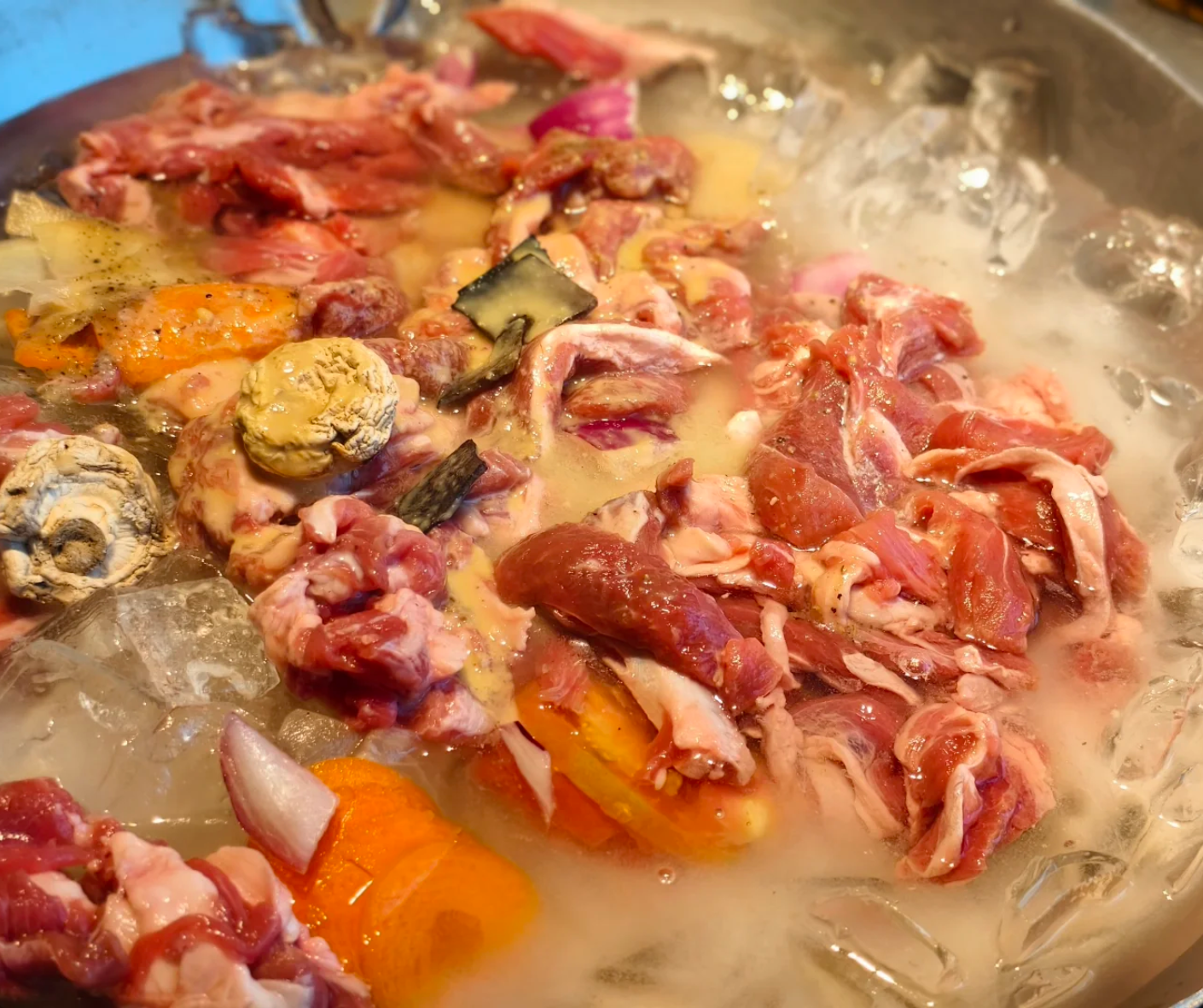
Nomadic Roots and Local Ingredients
You can taste history in every bite of traditional mongolian cuisine. Mongolian people moved from place to place. They lived a nomadic life. They needed food that was easy to carry and cook. Their meals have red food, which is meat. They also have white food, which is mongolian dairy products. Brown food means grains. Mongolian families used containers made of wood, metal, and leather. They did not use ceramics. This made their meals simple and useful.
Here are some common ingredients you will find in traditional mongolian cuisine:
Ingredient | Description |
|---|---|
Dairy Products | Mongolian dairy products are important for many dishes. |
Mutton | Mutton is the most popular meat in the countryside. |
Horse Meat | Horse meat is used in old recipes. |
Animal Fats | Animal fats give energy and taste, especially when it is cold. |
Buuz | Buuz are dumplings with meat inside that are steamed. |
Khuushuur | Khuushuur are fried pastries filled with meat. |
Borts | Borts is dried meat that people save for winter. |
If you want to try the best mongolian foods, China Explorer Tour can help you. You can visit markets and taste fresh foods with local guides.
Signature Flavors of Inner Mongolian Cuisine
You notice the taste of inner mongolian cuisine right away. Mongolian dishes keep the real taste of the ingredients. Boiling and roasting are common ways to cook. These ways make the food smell and taste rich. You will find soft, marbled meat and strong flavors in every meal. Mongolian dairy products make many dishes creamy. The food uses special meats like Xilingol Ujimqin lamb and Hulunbuir beef.
Tip: Try traditional mongolian cuisine at local restaurants for the best experience. China Explorer Tour can take you to secret places where you can taste the best mongolian foods.
Top 10 Inner Mongolian Dishes to Try
Inner Mongolian Roast Whole Lamb
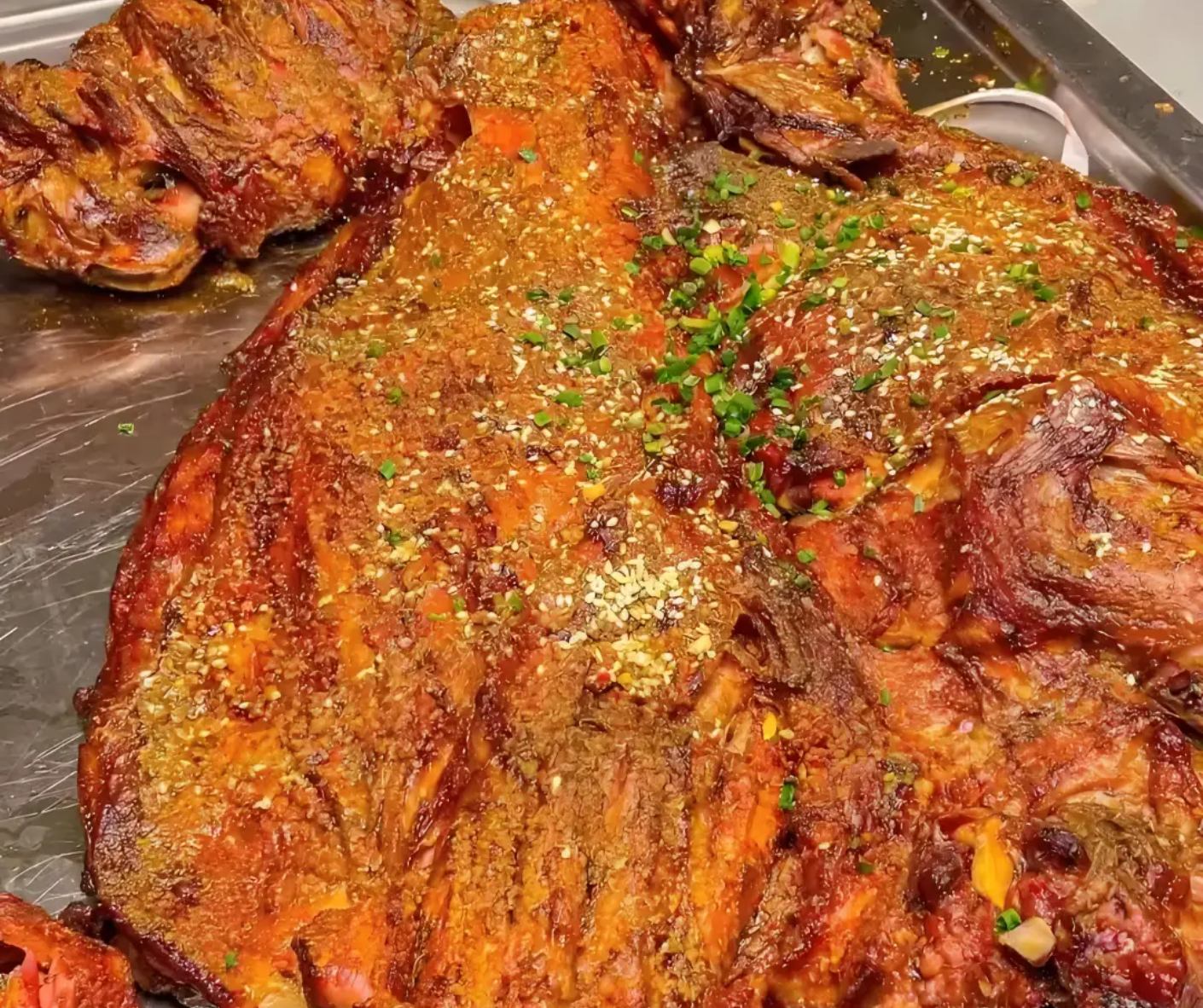
You should try inner mongolian roast whole lamb. This dish shows hospitality and celebration. Locals marinate a pasture-fed lamb. They roast it whole until the skin is golden and crispy. The inside stays juicy and soft. You get both crispy and tender textures. People serve this dish at big parties and special events. You will see how important it is in Mongolian culture at family meals or festivals.
Feature | Description |
|---|---|
Dish Name | Neimeng Kao Quanyang (Inner Mongolian Roast Whole Lamb) |
Cultural Importance | Symbolizes hospitality and is a ceremonial dish in Mongolian culture. |
Preparation | A pasture-fed lamb is marinated and roasted whole until golden. |
Texture | The crispy skin encases succulent meat, providing a balance of textures. |
Occasion | Served during special occasions and feasts, highlighting its significance. |
The best inner mongolian roast whole lamb is at local banquets. China Explorer Tour can show you how families make this dish.
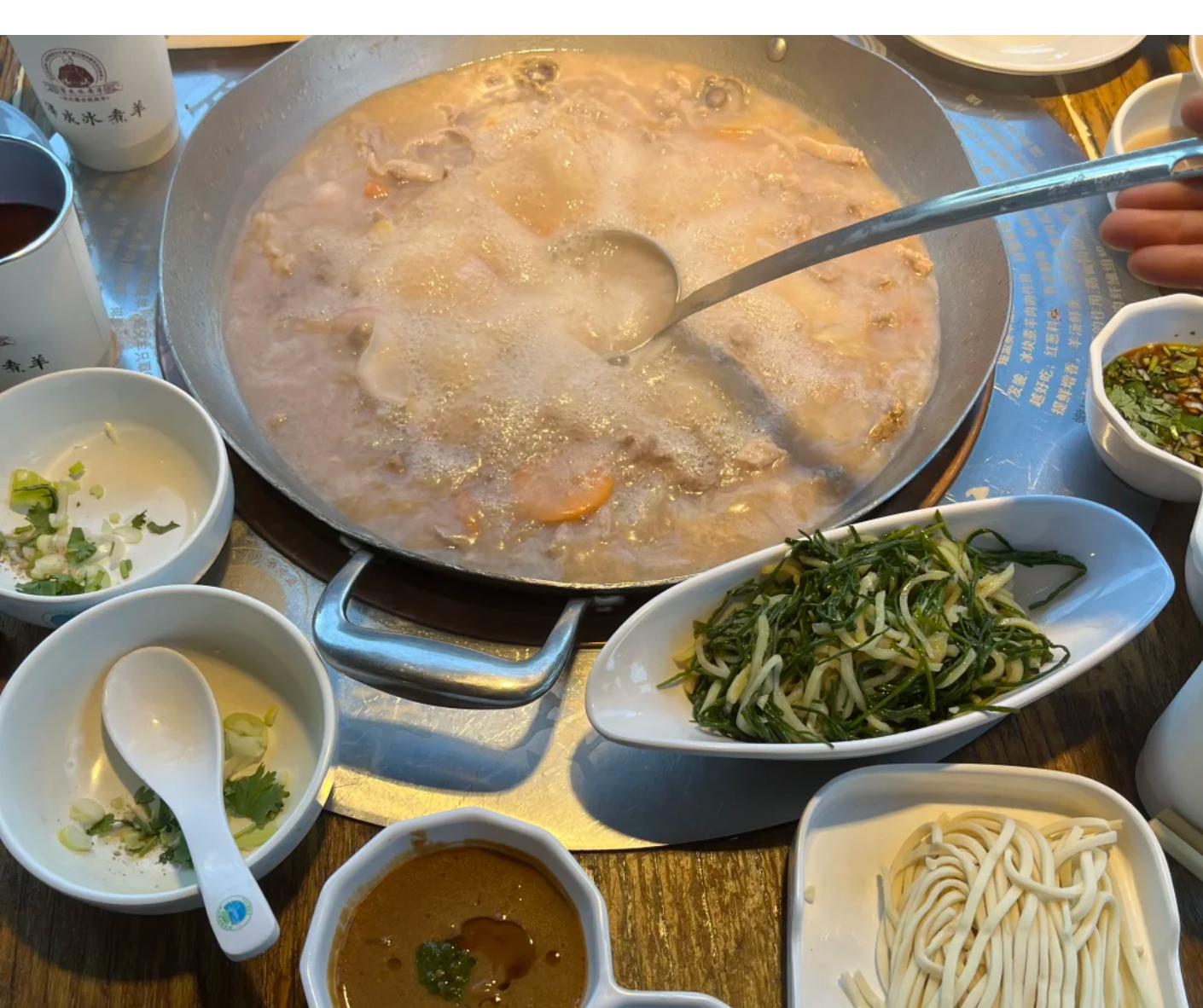
Mongolian Hot Pot with Lamb
Mongolian hot pot with lamb brings people together. Everyone sits around a bubbling pot. The broth has red chili oil and lots of cumin. It is lighter and less spicy than Sichuan hot pot. The main taste is the natural flavor of lamb.
Ingredients | Cooking Method |
|---|---|
Lamb (sheep and goats) | Use hot rocks in a large pot with tightly closed lid |
Potatoes | Allow to stand for half an hour in open fire |
Carrots | Heat from stones cooks the meat and vegetables |
Turnips | |
Onions | |
Garlic | |
Water |
Tip: Mongolian hot pot uses red chili oil and cumin. It is less spicy than other Chinese hot pots. Lamb is the main ingredient.
You can join a local family for a hot pot meal. China Explorer Tour will teach you how to cook lamb and vegetables.
Buuz (Yak Dumplings)
Buuz are important for Mongolian celebrations. These steamed dumplings have juicy meat inside. The filling is often yak or lamb. Families make many buuz for Tsagaan Sar, the Mongolian Lunar New Year. You will see big and small dumplings stacked high on tables.
Occasion | Description |
|---|---|
Tsagaan Sar | Buuz is the national dish, made in huge batches for the Lunar New Year. |
Hospitality | Families serve buuz to every guest, and refusing is not an option. |
Family Tradition | Households produce a thousand or more dumplings for the festivities. |
You can eat buuz at every stop during Tsagaan Sar. The dumplings show the kindness of Mongolian families. China Explorer Tour can help you join a celebration and make your own buuz.
Bituu Shul (Mutton Soup)
Bituu Shul is a traditional soup for cold nights. The main ingredient is mutton. It is cooked slowly with root vegetables and simple spices. The soup tastes rich and meaty. The broth is clear. It is served in big bowls for sharing. Locals think this soup gives strength and energy. Try it after exploring the steppe.
Huushuur (Fried Meat Pie)
Huushuur is a fried meat pie you can eat with your hands. The dough is filled with seasoned meat. Usually, it is mutton or sometimes horse meat in eastern Mongolia. Locals fry the pies until they are golden and crispy. The pies have lots of fat, which is good for cold weather.
Feature | Description |
|---|---|
Traditional Fillings | Eastern Mongolian variants often use horse meat, reflecting the cultural significance of horses. |
Preparation Methods | Traditional methods emphasize high fat content from mutton, suitable for the harsh climate. |
Variants in Buryatia | In Buryatia, the dish is adapted to include beef or pork, diverging from the mutton-dominant versions in Mongolia. |
Traditional huushuur uses mutton with lots of fat for energy.
Mongolian meals have more fat than neighboring cuisines.
You can find huushuur at markets and festivals. China Explorer Tour can show you how to make this mongolian traditional pastry.
Tsuivan (Stir-Fried Noodles)
Tsuivan is a comfort food. The noodles are chewy and made by hand. The dish starts with stir-fried meat, usually mutton or beef. Onions, carrots, cabbage, and bell peppers are added. Cooks put raw noodles on top of the meat and vegetables. Then, they steam everything together. The flavors mix into a hearty meal.
You can try tsuivan in small restaurants or homes. China Explorer Tour can help you find the best places for this noodle dish.
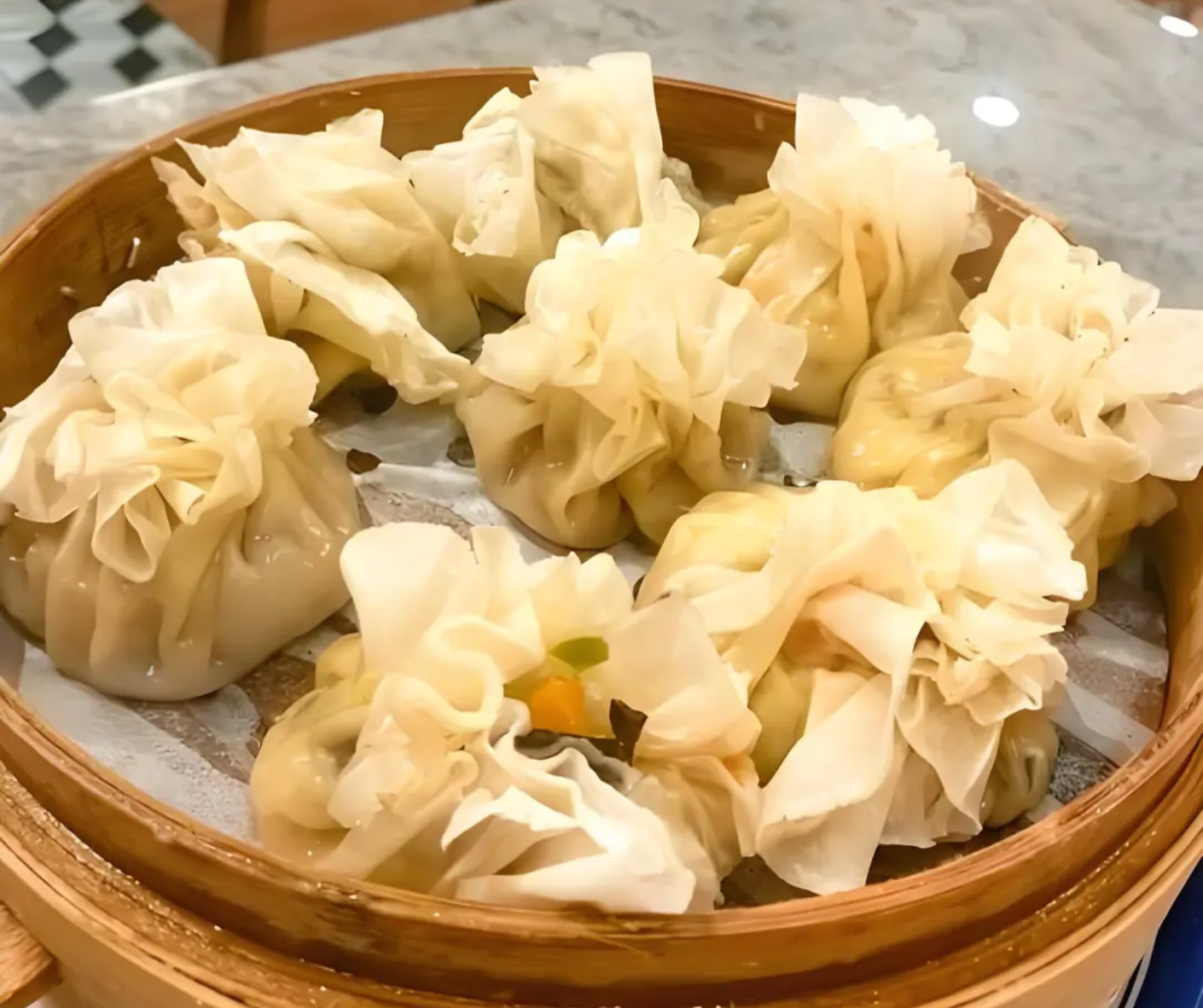
Mongolian Meat Pockets
Mongolian meat pockets are also called khuushuur. They are a classic street snack. Cooks roll out dough and fill it with mutton or horse meat. They fold it into half-moon shapes. The pockets are fried in oil until crispy. These mongolian traditional pastry treats are easy to eat anywhere.
Khuushuur uses simple dough and meat fillings.
You can find them at markets and festivals.
The dish is popular with nomads.
Try making your own khuushuur with a local family. China Explorer Tour can help.
Air-Dried Beef
Air-dried beef is a favorite for travelers and herders. Locals use old air-drying methods to keep the meat fresh. The beef is dried naturally. Sometimes, it is fried or roasted after drying. The snack is chewy and full of flavor. It lasts for months.
Natural air-drying is the main way to make it.
Some beef is dried and then fried or roasted for more flavor.
You can taste air-dried beef at markets. China Explorer Tour can introduce you to families who use these methods.
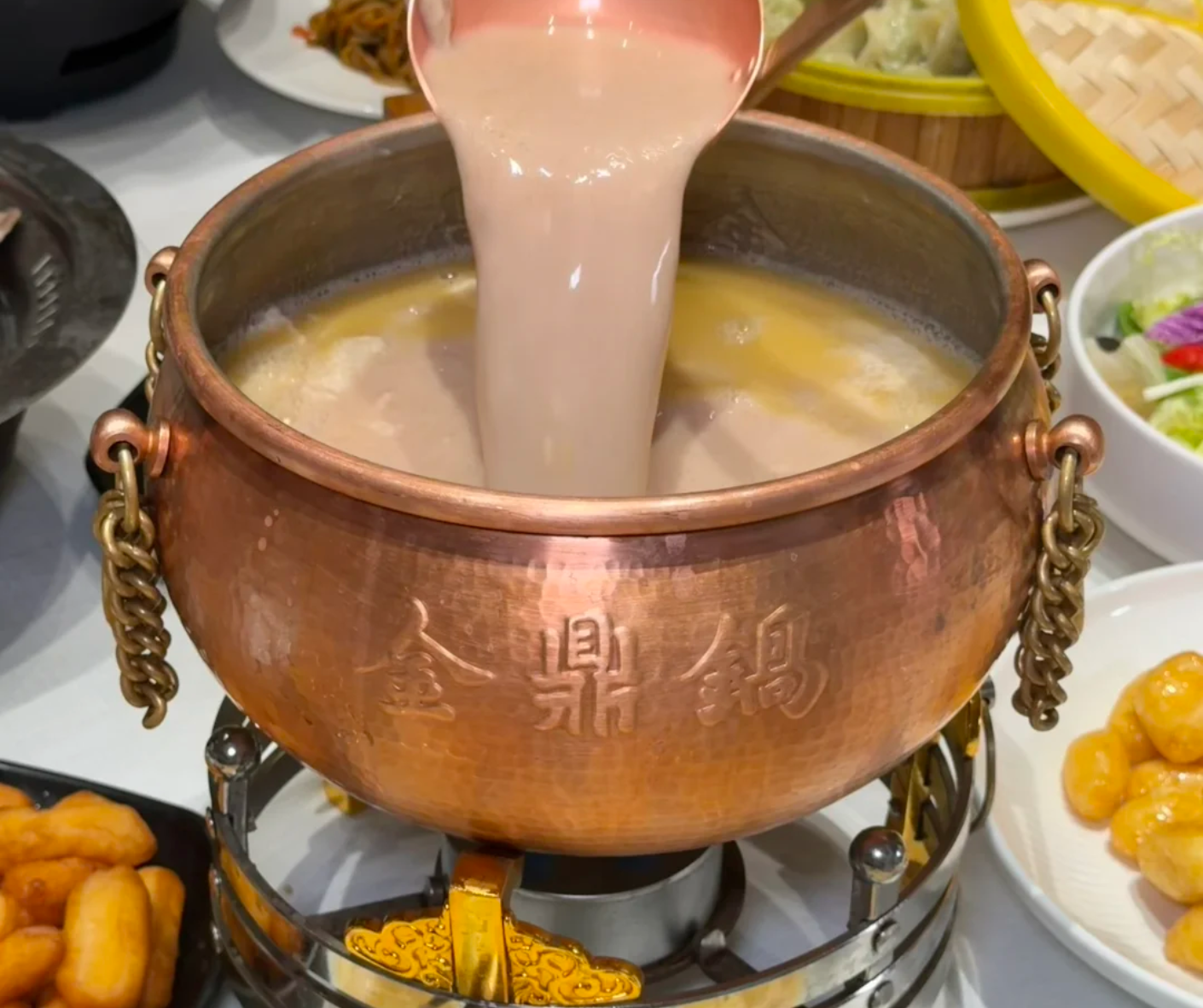
Mongolian Milk Tea
Mongolian milk tea is more than just a drink. It is a daily habit. You taste black tea, milk, and salt. Some families add butter or roasted millet for extra taste. The tea warms you up. It goes well with sweet and savory foods. Locals serve it to guests as a welcome. Try it with dumplings or air-dried beef for a real Mongolian breakfast.
Qingtang Niuwei (Oxtail Soup)
Qingtang Niuwei is a clear oxtail soup. It shows the best of Mongolian cooking. The soup uses oxtail, root vegetables, and simple spices. Long cooking makes the flavor deep and rich. You find this soup at family gatherings and special events. It is a comforting dish. Soup is important in Mongolian meals.
You can try all these dishes with China Explorer Tour. Our food experiences take you to homes, markets, and hidden restaurants. You will learn how to make dumplings, roast lamb leg, and try mongolian saddleback lamb. Every meal helps you connect with Mongolian culture and people.
Where to Find Authentic Mongolian Barbecue and More
Best Local Restaurants and Markets
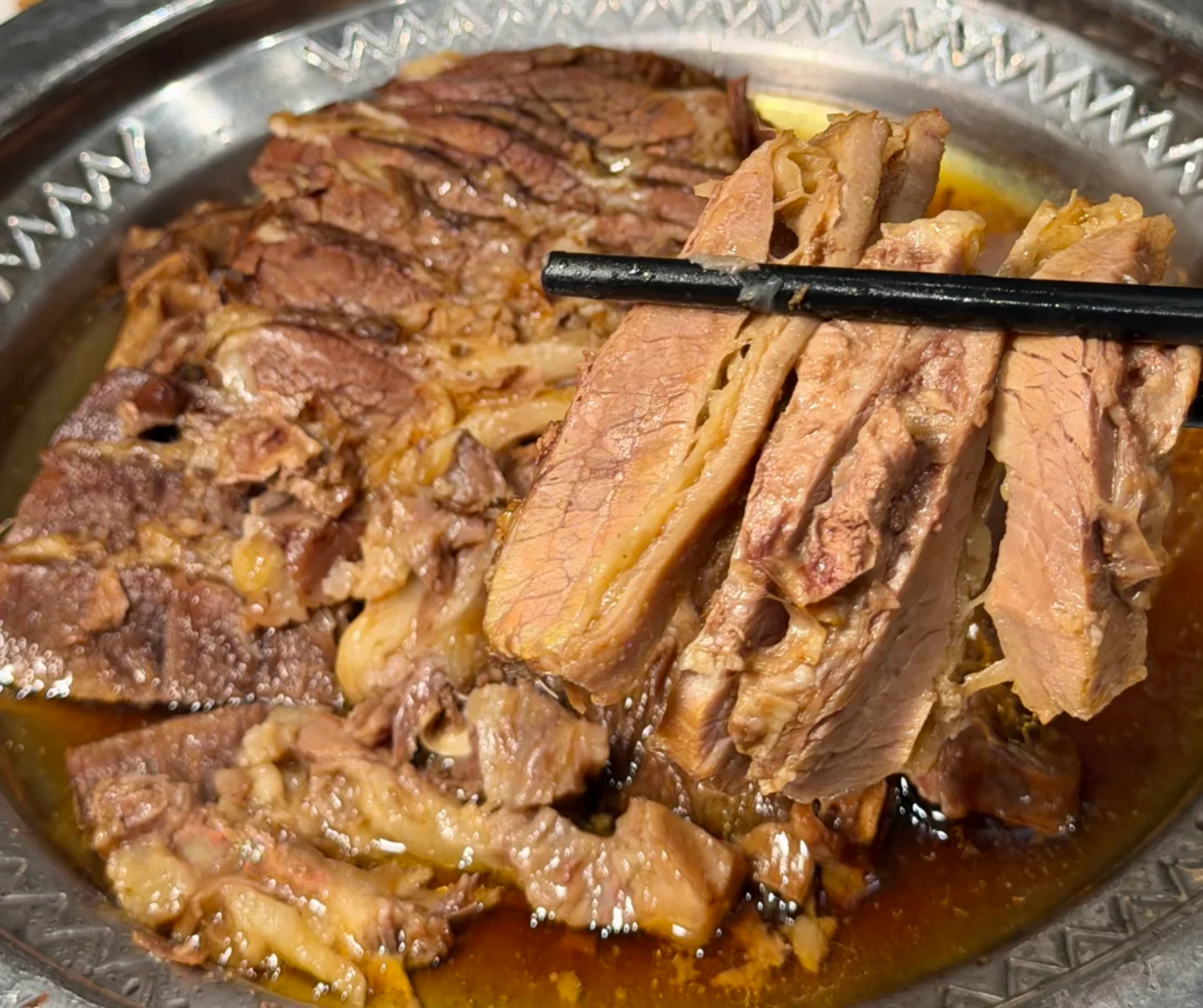
If you want real mongolian barbecue, try local restaurants in Hohhot and Baotou. These places serve roast lamb and grilled meats. Walk through busy markets in Xilingol or Hulunbuir. Vendors cook mongolian lamb skewers on open flames. The air smells smoky and tasty. Visit barbecue stalls and watch chefs roast whole lamb. Ask locals about their favorite mongolian barbecue spots. Many families invite you to eat with them. You can enjoy fresh lamb and learn mongolian traditions.
Tip: Go to markets early in the morning. You will find the freshest mongolian dairy products and barbecue snacks.
Location | What to Try |
|---|---|
Hohhot | Roast lamb, mongolian barbecue |
Baotou | Lamb skewers, mongolian milk tea |
Xilingol | Barbecue stalls, air-dried beef |
Hulunbuir | Mongolian hot pot, barbecue pies |
Experiencing Inner Mongolian Cuisine with China Explorer Tour
China Explorer Tour makes your mongolian food adventure simple. The travel agency uses smart tools to match you with the best foodie experiences. You join special tours that take you to hidden barbecue spots and family kitchens. Meet mongolian hosts and share meals of lamb, milk tea, and barbecue. Connect with other travelers who love mongolian food. Guides help you order like a local and explain mongolian food customs. You get a true taste of mongolian barbecue and make new friends.
Note: China Explorer Tour helps you find mongolian flavors and makes your trip easy. You can book your mongolian barbecue adventure online.
Tips for Enjoying Inner Mongolian Cuisine
How to Order Like a Local
Ordering food in Inner Mongolia is fun and new. You will see many dishes with special names. People here like meals that are simple and filling. If you want real local food, look for these popular choices:
Dish Name | Description |
|---|---|
Buurunhii Mah | Soft meat served with rice. |
Gampir | Flat pancake that is deep-fried. |
Boortsog | Fried dough shaped like fingers, thicker than Gampir. |
Tsuvian | Flat noodles cooked with meat and fat. |
Niislel Salad | Potato salad with carrots and mayo, eaten at New Year’s Eve. |
Mantuu | Steamed rolled dough, great as a side. |
Nogootei Shul | Vegetable soup with meat, served with Mantuu or Gampir. |
Bantan | Mutton or beef with flour, easy and filling. |
You can ask for these foods at restaurants or markets. Try to say the dish names when you order. People will like that you try. If you go with China Explorer Tour, guides help you order and tell you about the menu. Their smart tools help you find the best places to eat.
Tip: You can point to food you see on other tables. People often share food with others at the table.
Cultural Etiquette and Dining Customs
Eating in Inner Mongolia is not the same as other places. You will see special rules at every meal.
Custom/Rule | Description |
|---|---|
Eating Arrangement | Families sometimes eat apart, not always at one table. |
Seating Position | Sit on the floor and keep your feet under you, away from the mat. |
Punctuality | Be on time if someone invites you to eat. |
Acceptance of Food | Try a little of everything. Use your right hand to take food. |
Tea Before Meal | Drink black tea before eating. It helps your stomach. |
Alcoholic Beverages | People drink vodka and salty milk tea with meals. |
You should taste every food you get. People feel glad when you eat what they give you. China Explorer Tour guides will tell you about these rules, so you feel ready and enjoy your meal.
Note: Follow local ways. Smile and say thank you. You will make friends and remember your trip.
Trying these 10 important dishes helps you really taste Inner Mongolia. Every meal teaches you about its special history and culture. Food tours let you cook and eat with Mongolian families. This makes your trip something you will always remember.
Experience | What You Gain |
|---|---|
Cooking with Locals | You learn old ways and hear fun stories |
Sourcing Ingredients | You see why people like fresh, local foods |
Do you want to know more about Mongolian food? Ask us your questions or share your own stories!
FAQ
What makes Inner Mongolian food different from other Chinese cuisines?
You taste more lamb, beef, and dairy. The flavors are bold and simple. You find dishes inspired by nomadic life and grassland traditions.
Can I try these dishes if I don’t speak Chinese?
Yes! Many restaurants have pictures on menus. If you join a China Explorer Tour, your guide helps you order and explains everything.
How do I book a foodie tour with China Explorer Tour?
Just visit the China Explorer Tour website. You pick your favorite tour and follow the easy steps to book.