How to Visit Baisha Village and See the Famous Murals

Step into a world where art and history come alive at Lijiang Baisha Murals & Baisha Village. Located near Lijiang, Baisha Village welcomes you with centuries-old stories painted on its walls. Here, the Lijiang Baisha Murals showcase over 100 statues and legendary tales, brought to life with intricate lines and vibrant colors. These remarkable murals blend elements of Taoism, Buddhism, and Tibetan Buddhism, offering visitors a true journey back in time. Crafted through the collaboration of Han and Tibetan artists, Baisha Village flourished as a hub for crafts and trade, and you can sense its rich history in every corner.
The Lijiang Baisha Murals & Baisha Village are a testament to Dongba culture, seamlessly merging Han, Tibetan, and Naxi painting styles. This travel guide provides you with the ultimate itinerary for exploring Lijiang and Baisha, ensuring you experience the best of both destinations. Let this guide inspire your own travel story, helping you plan a trip that brings the wonders of Baisha to life through exploration and discovery.
Key Takeaways
See Baisha Village’s old murals. The murals show Han, Tibetan, and Naxi cultures mixed together.
Pick how you want to travel. Public buses cost less money. Taxis are faster and easier.
Join local workshops. You can try Dongba paper making. You can also do tie-dyeing.
Visit in spring or autumn. The weather is nice then. There are not many people. You will have a better time.
Think about using China Explorer Tour. They make trips easy. They plan trips for you. Their guides know a lot.
How to Get to Baisha Village
Lijiang to Baisha: Transport Options
There are many ways to get to Baisha from Lijiang. If you want to save money, you can take a public bus. Buses leave from Lijiang Gaokuai Passenger Transport Station all day. You can buy tickets at the station or use local apps. Bus No. 6 is the most popular and goes straight to Baisha Township People's Government station. The ticket costs only 5 yuan, and the ride takes about 40 minutes.
If you want to get there faster and have more privacy, you can take a taxi or book a Didi. Taxis are easy to find in Lijiang Old Town. The ride takes about 30 minutes and costs around 50 yuan. During busy travel times, you might see tourist buses like No. 7. These run from 8:00 AM to 7:40 PM. Tourist buses are comfortable and stop at famous places along the way.
If you like adventure, you can rent a bike and ride to Baisha. The road is pretty and safe for people on bikes. You can also try a sightseeing train or book a helicopter tour for something special. These give you a great view of the Yunnan countryside from above.
Here are your main choices:
Public bus (No. 6, No. 7, No. 11, No. 16)
Taxi or Didi
Tourist bus (seasonal)
Self-driving car
Bike rental
Sightseeing train
Helicopter tour
Check this table to see how the main transport options compare:
Mode of Transport | Advantages | Disadvantages |
|---|---|---|
Bus | Cheap | Slower, fixed times, no stops at attractions, hard with heavy bags |
Taxi/Didi | Fast, easy | Costs more, best for small groups |
Bike | Nice views, flexible | Needs effort, depends on weather |
Sightseeing Train | Fun experience | Not always available, costs more |
Helicopter Tour | Fast, great views | Very expensive, must book ahead |
Scenic Routes and Travel Time
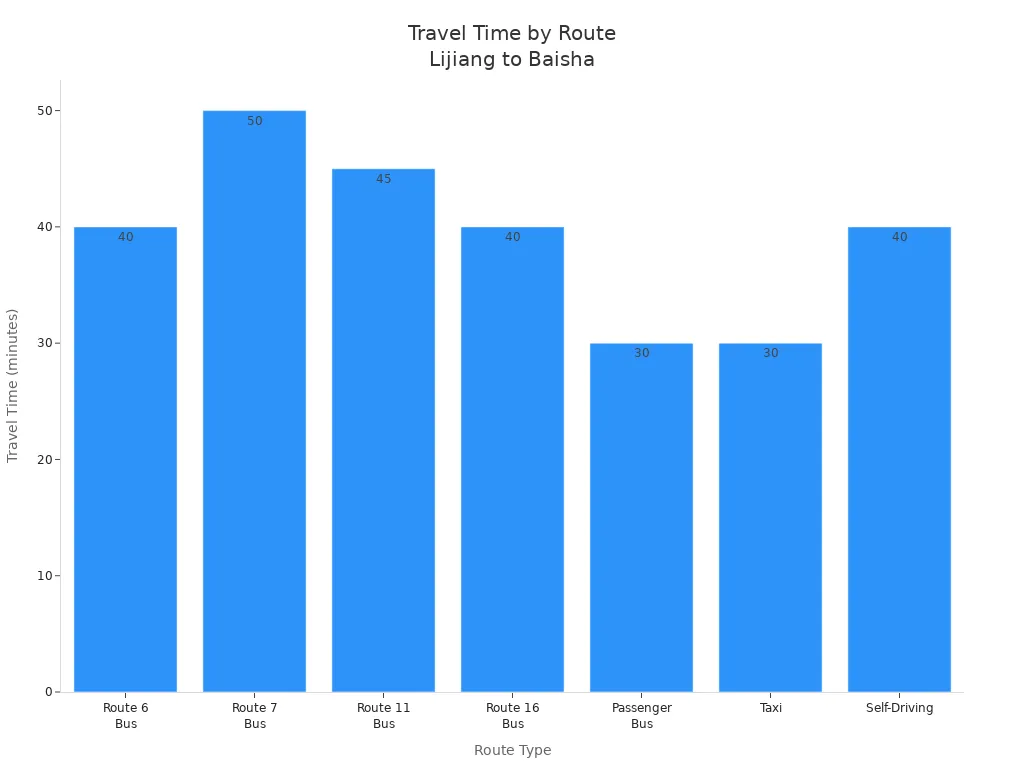
Baisha is about 20 kilometers from Lijiang. The trip goes past hills, small villages, and fields with wildflowers. If you take Bus No. 6, you will get to Baisha in about 40 minutes. Taxis are faster and take about 30 minutes. Tourist buses and other ways might take longer if you stop to look at sights.
Here is a chart to help you plan your trip:
Route Type | Distance (km) | Travel Time (minutes) | Fare (yuan) |
|---|---|---|---|
Route 6 Bus | 20 | 40 | 10 |
Route 7 Bus | 25 | 50 | 10 |
Route 11 Bus | 22 | 45 | 10 |
Route 16 Bus | 15 | 40 | 10 |
Tourist Special Line | 15 | 20 - 30 | N/A |
Passenger Bus | 20 | 30 | 30 |
Taxi | 20 | 30 | 50 |
Self-Driving | 20 | 40 | N/A |
If you want the easiest way to get to Baisha, pick what fits your time and money. Buses come often, taxis are always ready, and bikes let you enjoy the trip at your own speed.
China Explorer Tour: Hassle-Free Visits
Planning a trip can be hard, especially if you have never been to China. China Explorer Tour makes it simple. They give you a tour that matches what you like and who you travel with. The team knows how to make day tours that include Baisha and other cool places near Lijiang.
China Explorer Tour uses smart tools and local knowledge to make your trip easy. Their AI-powered marketing tool helps you find the best plan, so you spend less time planning and more time having fun. You can book a private car, join a group, or make your own trip. The guides speak English and know the best places to eat and visit.
Here is what you get with China Explorer Tour:
Tip: If you want a trip with no stress, let China Explorer Tour handle your ride, tickets, and plans. You can enjoy Baisha’s murals, local workshops, and pretty views without worrying about anything.
Private rides from Lijiang to Baisha
Flexible tours for families, couples, or solo travelers
Guides who tell stories and give helpful tips
Clear prices with no extra fees
Day tours you can change for Baisha and more
You can relax and enjoy Baisha. China Explorer Tour takes care of everything, so your trip is easy and fun.
Lijiang Baisha Murals & Baisha Village Highlights
Where to Find the Baisha Murals
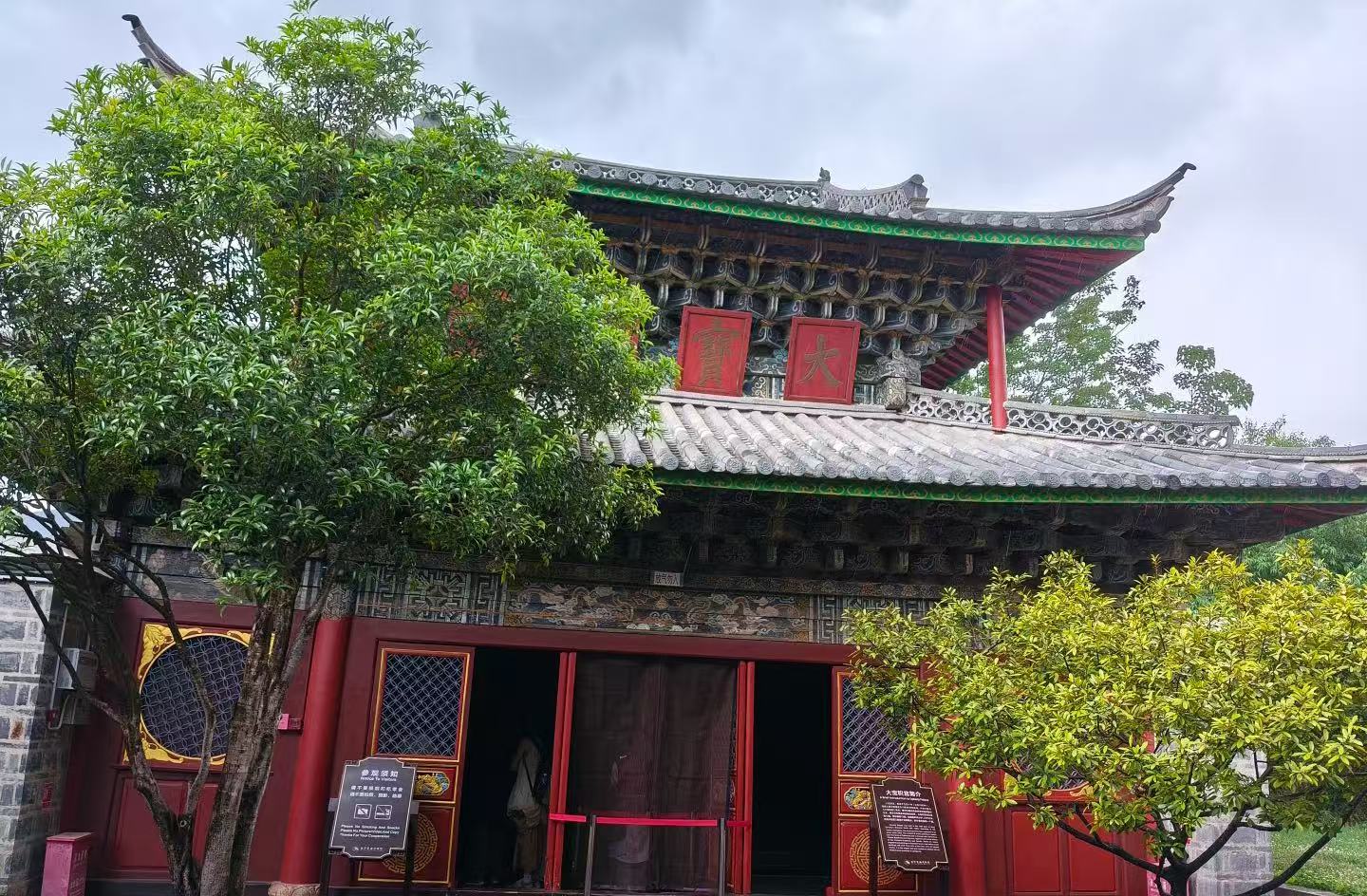
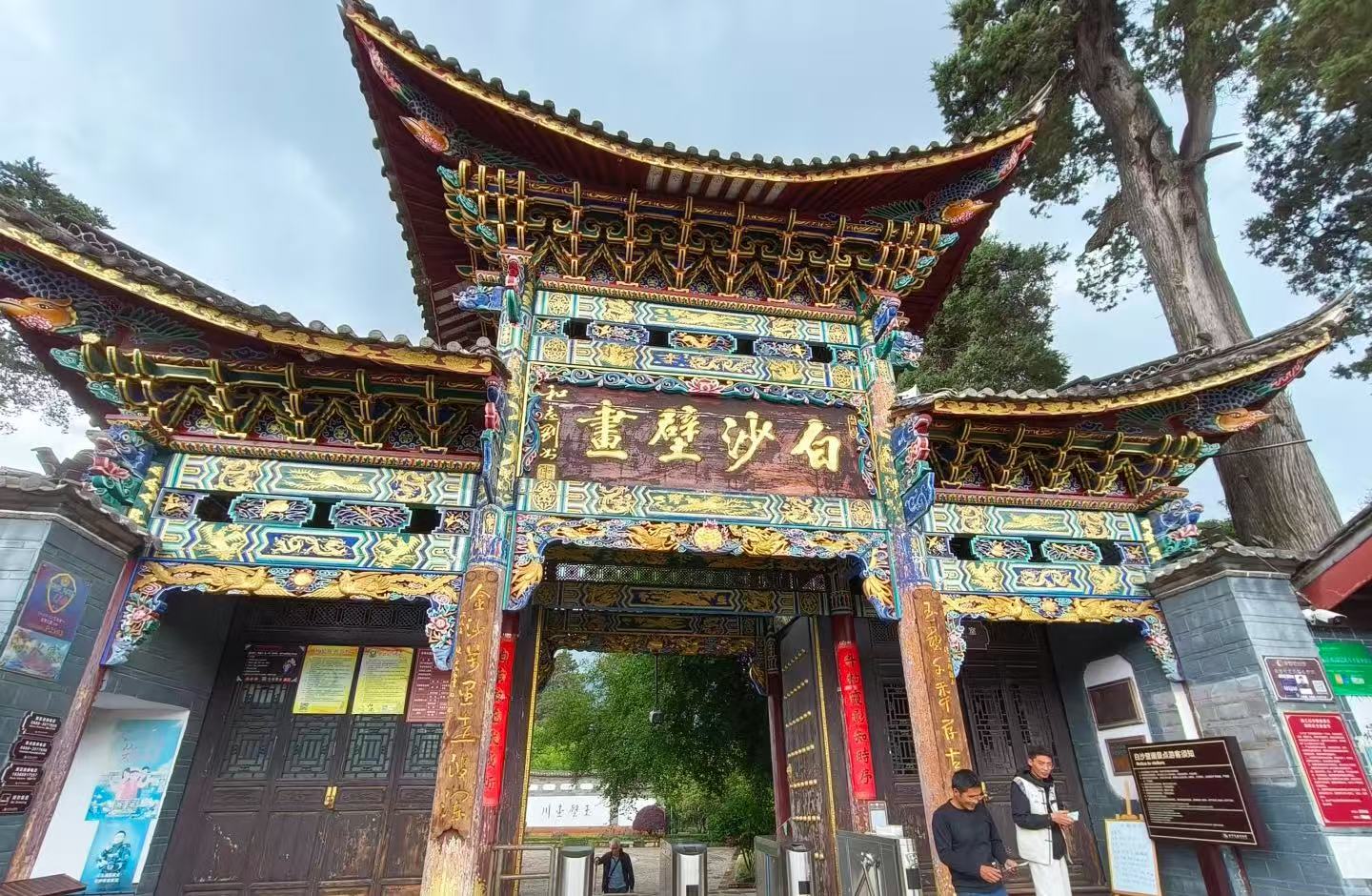
When you get to Baisha, you will see it is quiet and old. The baisha murals are easy to find in the center of the village. These amazing paintings are inside Dabaoji Palace and colored glaze temples. You can walk to these places after you enter Baisha. To look at the murals closely, you need to buy a ticket. The ticket costs about CNY 30. This lets you go into the main halls and see the old art on the walls.
Here’s a quick look at the details:
Opening Hours | Entrance Fee | Suggested Visiting Time |
|---|---|---|
8:00-17:30 | CNY 30 | About 1 hour |
You can walk around the village for free all day. Only the murals need a ticket. Most people stay for one hour. This gives you time to see the art and enjoy the calm feeling.
Tip: China Explorer Tour can help you get tickets and show you the best places to see the murals. Their smart tool helps you plan your day, so you do not miss anything in Baisha.
History and Art of the Murals
The lijiang baisha murals & baisha village are famous for their long history and special painting style. The murals were made during the early Ming Dynasty, from 1402 to 1424. Artists from many groups worked together to make these great paintings. You will see styles from Naxi, Tibetan, Han, and Bai people. The murals show stories from Taoism, Buddhism, and Tibetan Buddhism. Each painting tells a story, with over 100 people shown.
Here’s what makes the baisha murals special:
The murals mix Naxi, Tibetan, Han, and Bai cultures.
You will see painting styles from Buddhism, Taoism, and Confucianism.
The murals are important in Chinese painting history and help share Chinese culture.
Most murals were made in the late Ming and early Qing dynasties, over 300 years ago.
The paintings have fine lines, bright colors, and balanced scenes.
When you look at the murals, you can see the artists’ skill and care. They used bright colors and smooth lines to show each story. You might see gods, monks, and heroes. The murals have lasted for hundreds of years because people take good care of them. Local people and experts work hard to keep these treasures safe, so you can see them today.
Dabaoji Palace and Dongba Culture
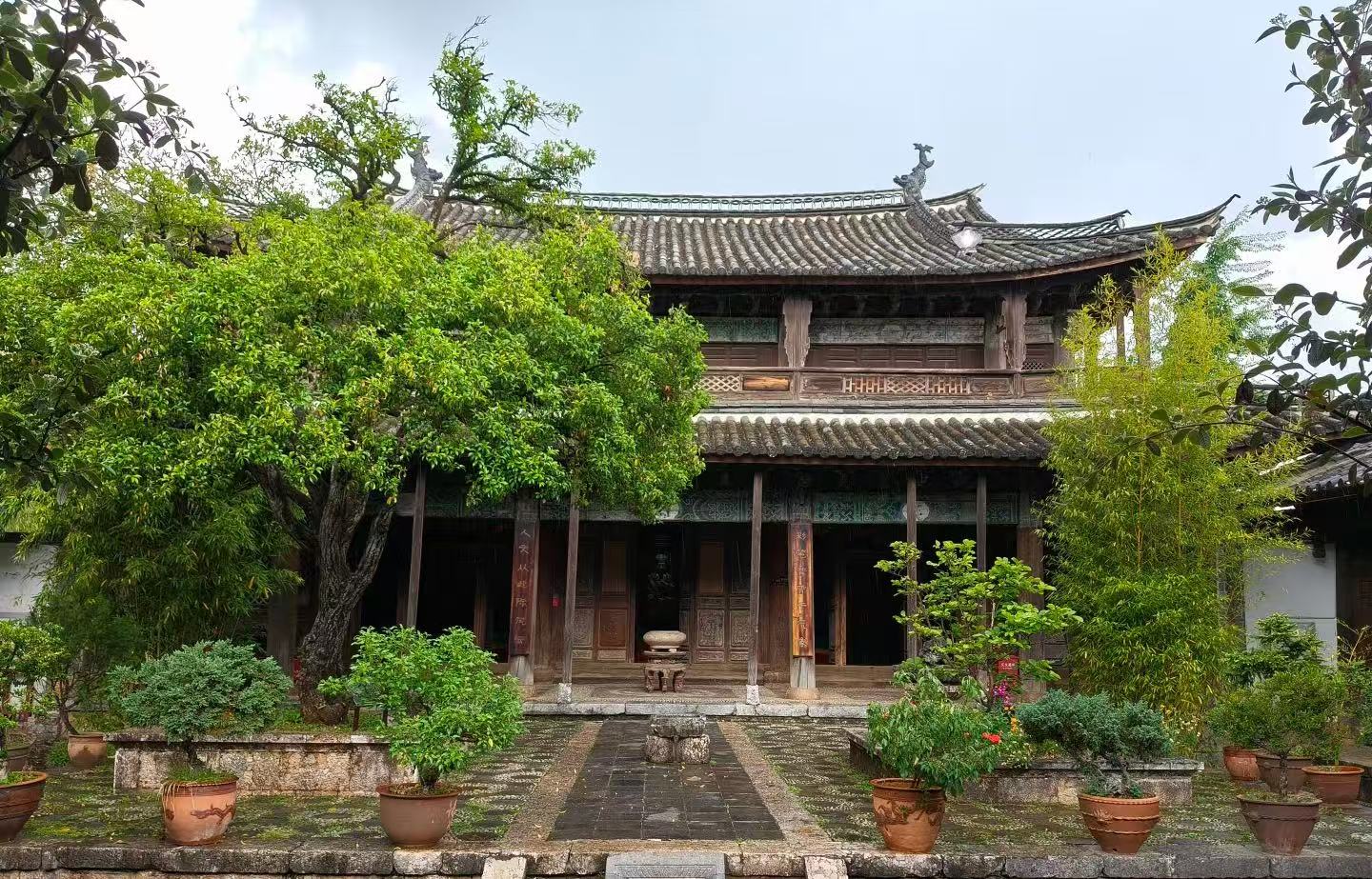
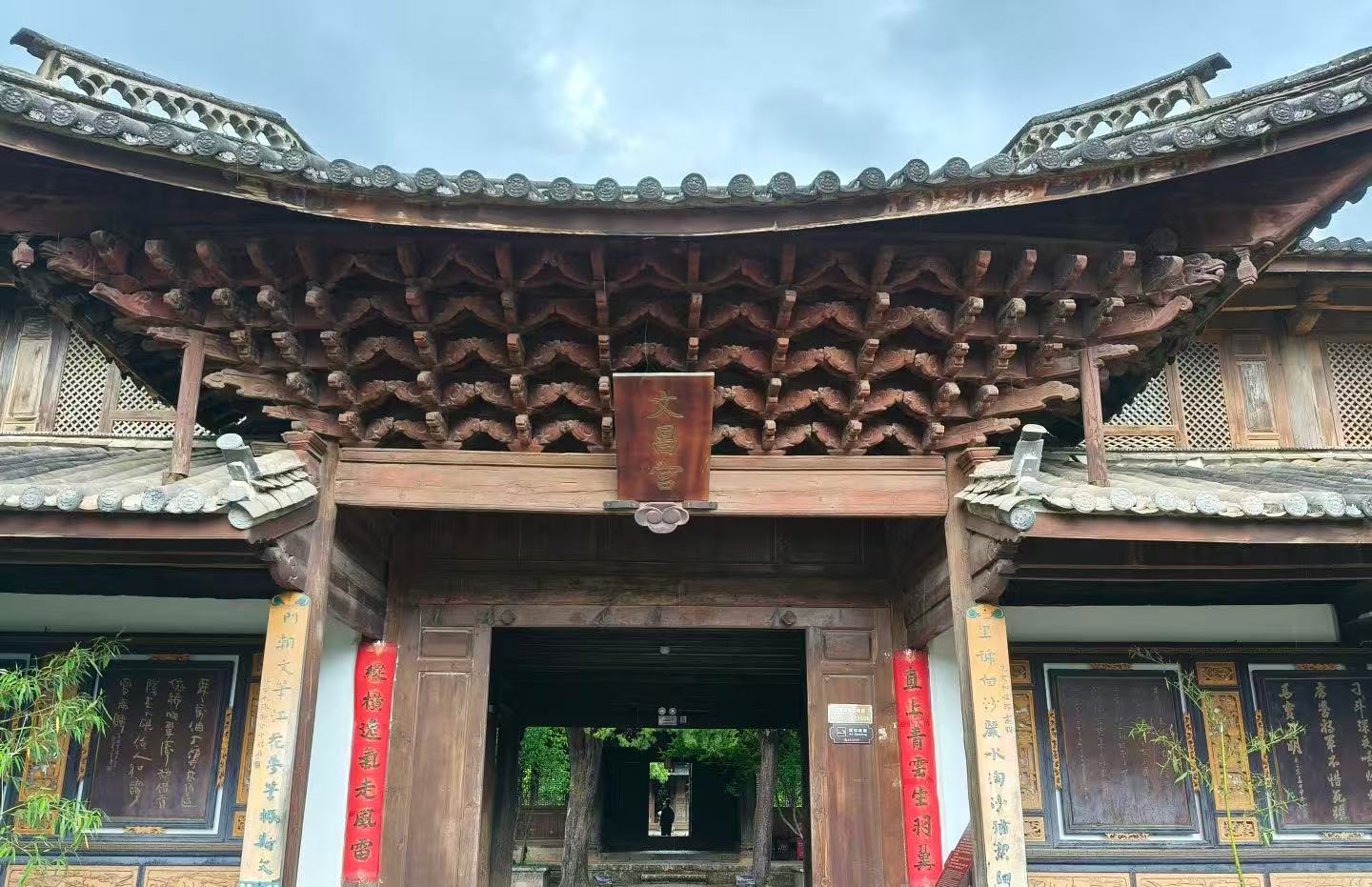
Dabaoji Palace is the main place to see the lijiang baisha murals & baisha village. The palace was built in 1582 during the Ming Dynasty. It has a double-eaved gable roof and a square shape, which makes it special. Inside, you will find the most famous murals, painted by Han and Tibetan artists. The paintings in Dabaoji Palace show over 100 people, each telling a story from Taoism, Buddhism, or Tibetan Buddhism.
Aspect | Description |
|---|---|
Historical Architecture | Built in 1582, Ming Dynasty, double-eaved gable roof, square layout |
Baisha Murals | Blend of Han, Tibetan, and Naxi cultures, many religious and artistic influences |
Cultural Relic Status | National key cultural relic protection unit, important for Chinese heritage |
You will also see Dongba culture in the lijiang baisha murals & baisha village. The Naxi people live in Baisha and have a special tradition called Dongba. This tradition shapes their rituals, art, music, and dance. Dongba painting is a special art that shows the Naxi people’s respect for nature and their ancestors. When you look at the murals, you can see how Dongba beliefs mix with other styles, making each painting different.
The Naxi people keep a strong bond with their ancestors and nature.
Dongba painting shows their religious beliefs and culture.
Respect for nature and ancestors is very important in Baisha.
When you visit Dabaoji Palace, you do not just see old paintings. You step into a place where art, religion, and daily life come together. The lijiang baisha murals & baisha village let you see how many cultures and traditions mix in one spot. You will leave with a better understanding of the people who made these beautiful works and the stories they wanted to share.
What to Do in Baisha Village
Local Food and Handicrafts
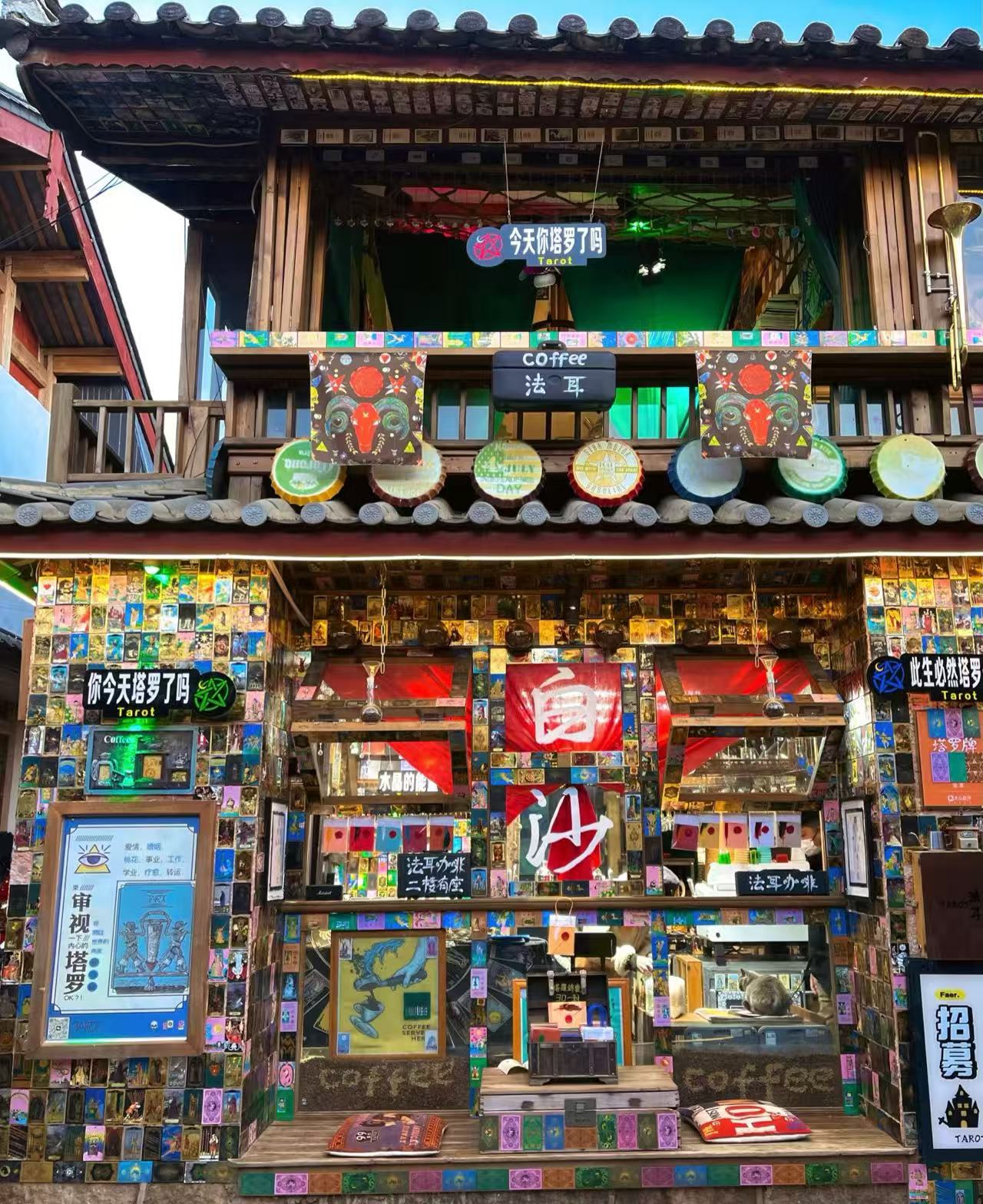
You can try real local food in baisha ancient town. Small restaurants and food stands sell bean jelly. Bean jelly is the most popular snack in Lijiang. People eat it while walking around the old town. It tastes fresh and different. You can add spicy sauce or herbs to make it better.
Handicrafts are everywhere in baisha old town. Many shops show copperware making and Naxi silk embroidery. These crafts show how skilled local families are. If you want souvenirs, visit these places:
Baisha Naxi Embroidery Institute: This place is famous for hand-made embroidery. You can watch artists work in a pretty courtyard.
Tie-Dyeing Products: Bright cloths hang outside to dry. Tie-dyeing is well-known in baisha ancient town. It is great for taking photos.
You can buy small gifts or just look around. Every shop gives you something new to see. You get to enjoy the real local life.
Cultural Workshops and Experiences
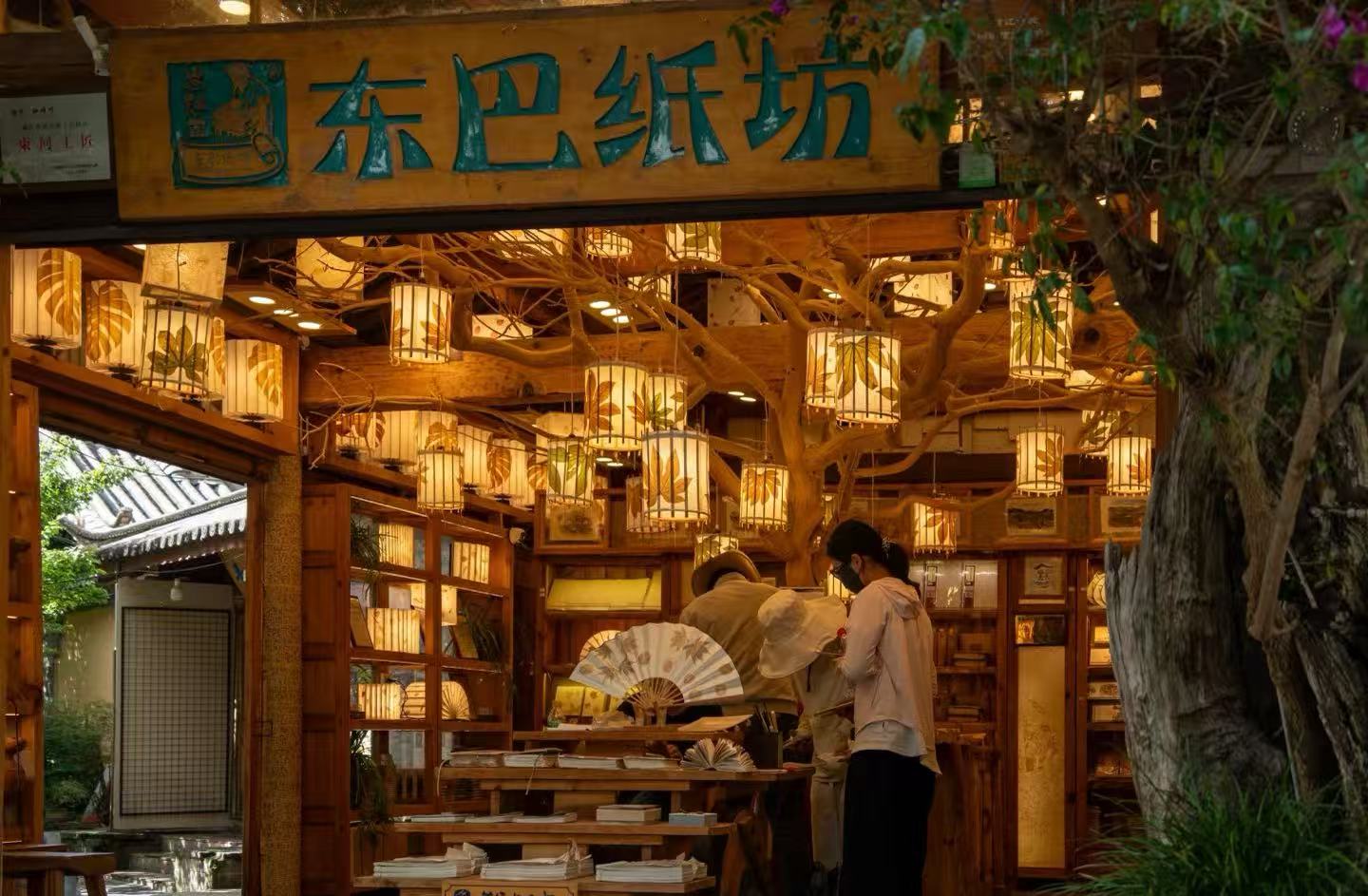
Baisha ancient town is a great place for hands-on workshops. You can learn Dongba paper making. You use mulberry bark and make your own book. Tie-dye workshops let you use plant dyes on cotton and linen. If you come with kids, try the Parent-Child Interaction Zone. It has a Plant Cognition Garden and moss micro-landscape classes. These activities are fun and help you learn.
Here’s a table with some popular workshops:
Workshop Type | Description |
|---|---|
Dongba Paper Making | Use mulberry bark and make your own book. |
Tie-Dye Workshop | Use plant dyes to make designs on cotton and linen. |
Parent-Child Interaction Zone | Learn about plants and make moss micro-landscapes. |
You can also try Naxi art and music. Try wood carving, silver crafting, Dongba painting, or Naxi embroidery. Skilled artists help you with each step. Small workshops are run by families. They share stories about their culture. You can watch Baisha Xiyue music, which is over 1,000 years old. Some places let you join a Murals Restoration Workshop. You learn how to protect old murals.
If you like taking pictures, these workshops are perfect. You get many chances to capture special moments. Sightseeing and learning mix together in baisha ancient town.
Exploring with China Explorer Tour
China Explorer Tour can make your trip to baisha ancient town better. Their private walk lasts 4 hours and covers Shuhe Ancient Town and baisha. You visit craft workshops, learn Dongba writing, and taste bean jelly. You can listen to the Naxi orchestra and see the sights of baisha old town.
China Explorer Tour uses smart tools to match your interests. You can pick guided walks, private workshops, or group activities. The guides know the best places for sightseeing and photos. They give tips for food, crafts, and places to visit. You can relax while they plan everything.
Here are some travel tips:
Take a guided walk to see the best spots for sightseeing and photos in baisha ancient town.
Try a private workshop to learn Naxi embroidery or Dongba painting.
Taste bean jelly and other snacks in baisha old town.
Visit the Baisha Naxi Embroidery Institute for a hands-on activity.
Watch a Baisha Xiyue music show for a special cultural experience.
Every activity in baisha ancient town helps you see the real local life. If you love travel or photography, China Explorer Tour helps you enjoy your visit.
Baisha Village Travel Tips
Best Time to Visit and Weather
Wondering when to plan your trip to baisha? You’ll want to catch the best weather and avoid crowds. Spring and autumn mornings offer pleasant temperatures and fewer tourists. Late afternoons bring beautiful sunsets, perfect for photos. Here’s a quick look at the seasons:
Season | Time of Day | Weather | Crowd Level |
|---|---|---|---|
Spring | Mornings | Pleasant | Low |
Autumn | Mornings | Pleasant | Low |
Late Afternoon | N/A | Beautiful sunsets | N/A |
Baisha stays comfortable most of the year. The average temperature is around 22°C. July gets hot, with highs near 31°C. January feels cool, with lows around 12°C. Rain falls mostly from May to September, so pack a raincoat if you travel in summer.
Entry Fees and What to Bring
You can explore baisha ancient town for free. Some attractions, like the Naxi Embroidery Institute or the mural hall, may charge a small fee. Student or group discounts aren’t common, but you can ask at the ticket counter for any deals.
Here are some tips for what to pack:
Bring a thick coat and warm shoes if you visit in winter. Temperatures change a lot from day to night.
Waterproof gloves help if you play in the snow.
Stick heat packs to your phone to keep the battery strong in cold weather.
Avoid white sneakers on Jade Dragon Snow Mountain. Mud can ruin them.
Pack moisturizer. Yunnan’s air is dry, so your skin will thank you.
Safety, Comfort, and Local Etiquette
You’ll feel safe in baisha, but a few travel tips make your visit smoother. Locals greet with a handshake or a polite hello. Hugging or kissing isn’t common. At meals, the honored guest sits in the best spot. Use chopsticks politely—don’t point or use your own to serve food. When you toast, keep your cup lower than elders and finish your drink to show respect. Serve tea with both hands and sip quietly.
Respect local customs. Don’t touch memorials in Tibetan culture. Remove your shoes if you enter a Blang home. These small gestures help you connect with baisha’s people.
If you want more travel tips or need help planning, China Explorer Tour uses smart AI-powered tools to match your interests and make your trip easy. You’ll get advice on packing, local etiquette, and the best places to visit.
You can explore baisha with ease when you follow these steps. Pick your favorite way to reach baisha, enjoy the murals, and try local workshops. Use travel tips to make your visit smooth. China Explorer Tour uses an AI-powered marketing tool to match your interests and create a custom baisha experience. You get more out of your trip when you let experts guide you. Have you visited baisha? Share your questions or stories below!
Ready to plan your baisha adventure? Ask anything or tell us about your favorite baisha moment!
FAQ
How do I buy tickets for the baisha murals?
You can buy tickets at the entrance of the mural hall in baisha. The process is simple. If you book with China Explorer Tour, your guide can help you get tickets quickly.
Can I visit baisha village on my own?
Yes, you can explore baisha by yourself. The village is easy to walk around. Signs point you to the main sights. If you want a deeper experience, China Explorer Tour offers guided walks.
What should I wear when visiting baisha?
Wear comfortable shoes for walking in baisha. Bring a jacket if you visit in the morning or evening. The weather can change fast. In summer, pack a raincoat. You will feel more relaxed if you dress in layers.
Is baisha good for families with kids?
Baisha is great for families. Kids can join workshops, try local snacks, and see colorful murals. Many activities are hands-on. China Explorer Tour can suggest family-friendly routes and fun things to do.
How does China Explorer Tour make my baisha trip easier?
China Explorer Tour uses an AI-powered marketing tool to match your interests. You get a custom plan for baisha. The guides help with tickets, transport, and local tips. You spend less time planning and more time enjoying baisha.