Everything You Need to Know About Visiting Abakh Hoja Tomb in Kashgar

You can find the Abakh Hoja Tomb near Kashgar. It is about 5 kilometers from the city center. Many tourists visit because of its beautiful blue tiles. The rose garden is calm and lovely. There are famous stories about this place. Locals call it the Tomb of the Fragrant Concubine. It shows great Islamic architecture. The tomb is a family resting place for five generations. You can see history in every part. China Explorer Tour helps you see all the best spots. They make your visit easy and fun.
Key Takeaways
Go to Abakh Hoja Tomb to see its amazing buildings and learn about its history. The place has pretty blue tiles and a calm rose garden.
Visit between May and October for nice weather and flowers. Go early in the morning or late in the day for fewer people.
You can use China Explorer Tour for a guided trip. Their guides know a lot and help with rides, so your visit is easier.
Follow local rules by wearing modest clothes and talking quietly. Watch out for photo rules, especially where people pray.
Check out places nearby like Id Kah Mosque and Kashgar Old Town. This helps you learn more about the area's culture and history.
Visiting Abakh Hoja Tomb in Kashgar
Location and Access
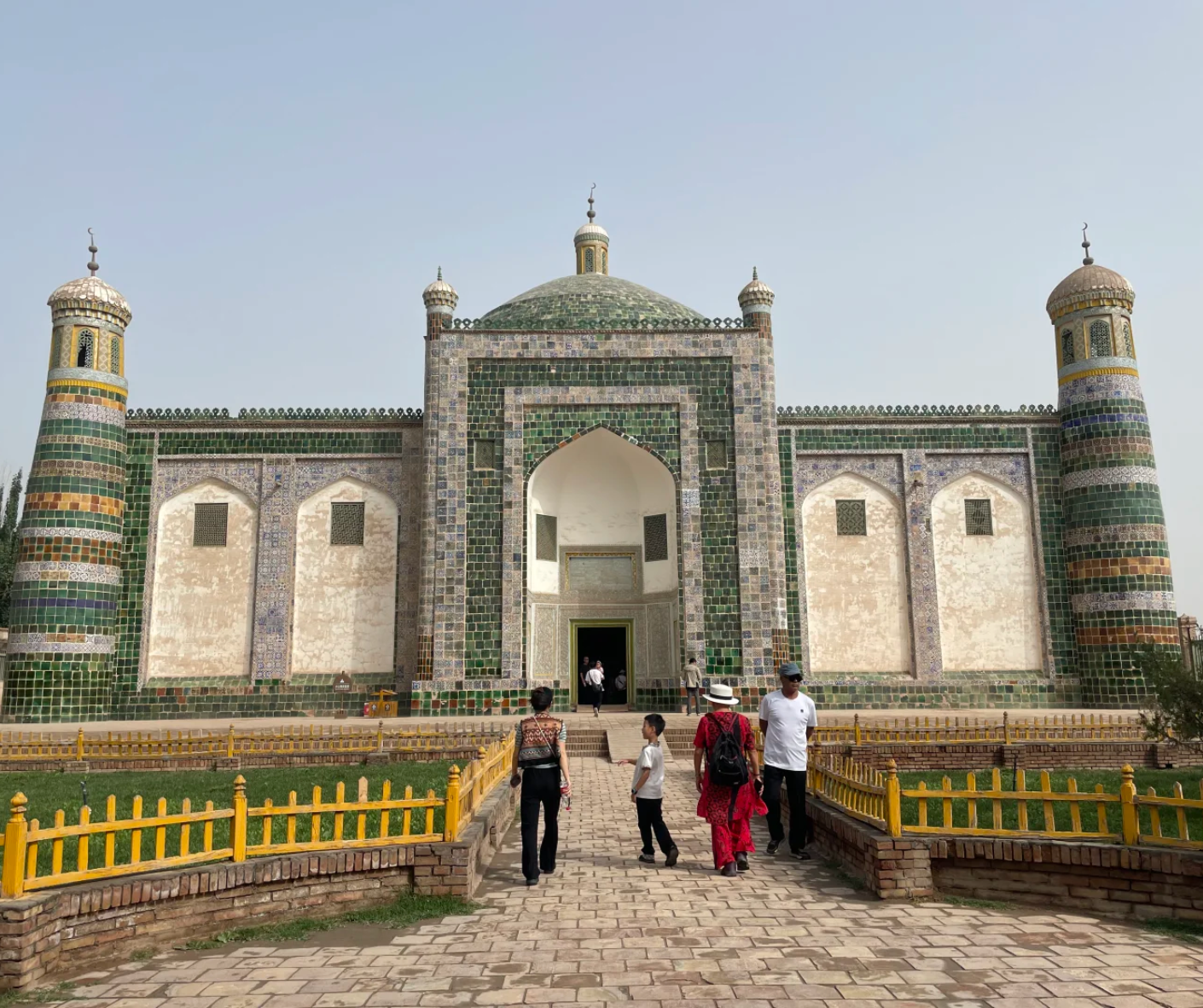
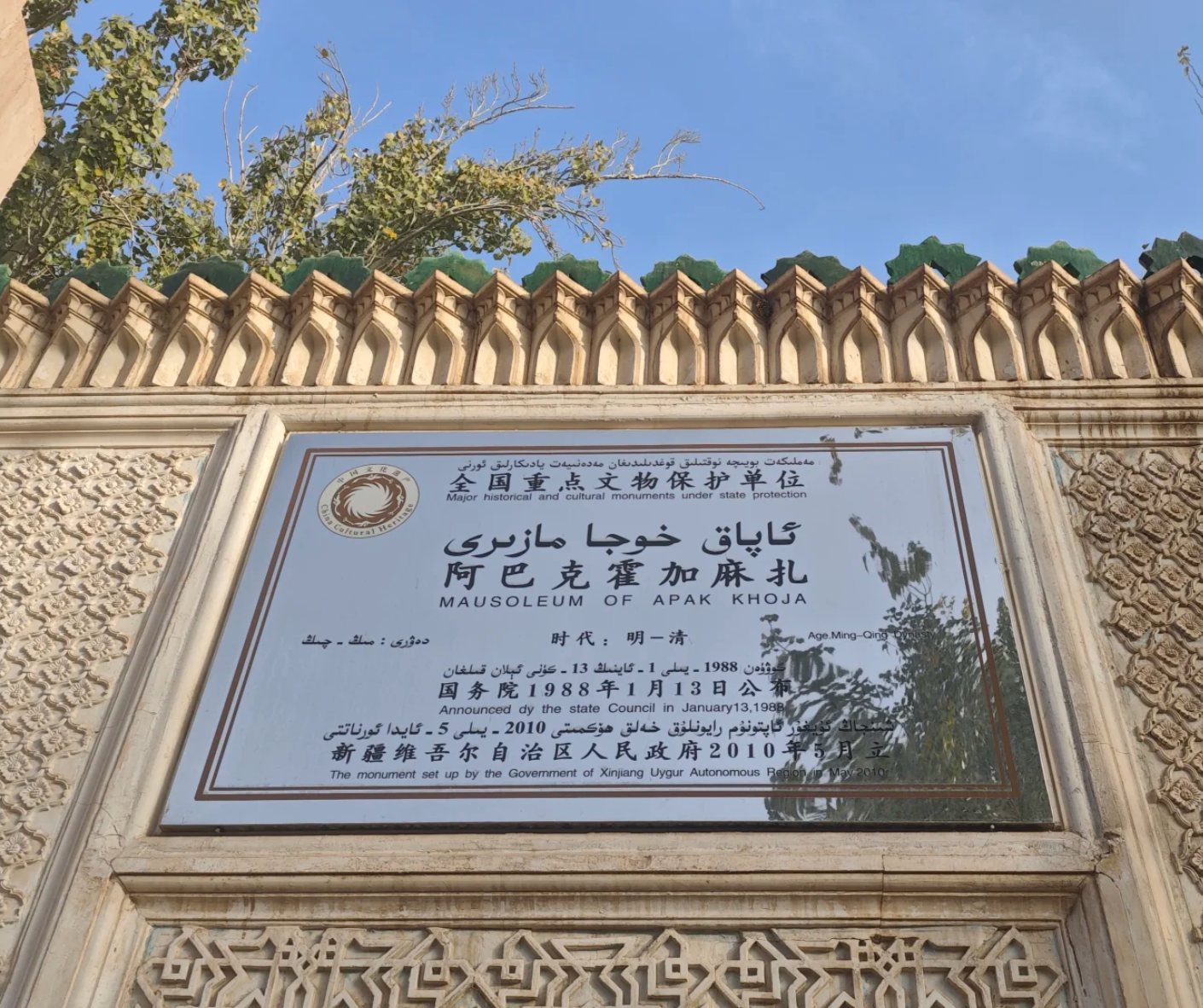
You will find the Abakh Hoja Tomb about 5 kilometers northeast of Kashgar’s city center. This spot stands out as one of the holiest sites for Muslims in Xinjiang. Built in 1640, the tomb shows off beautiful Central Asian architecture and colorful tiles. Locals also call it the Xiang Fei Tomb, named after Iparhan, the famous Fragrant Concubine. The area around the tomb feels peaceful, with gardens and quiet paths. If you want to see the best of Kashgar, you should add this site to your travel plans. Many visitors like to come early in the day to enjoy the calm atmosphere before the crowds arrive.
Entrance Fee and Hours
Before you plan your visit, check the entrance fee and opening hours. Here’s a quick look:
Admission Fee | Opening Hours |
|---|---|
30 RMB | 08:50 AM – 08:00 PM |
You can buy your ticket at the entrance. The tomb stays open all day, so you have plenty of time to explore. If you want a quieter experience, try to visit in the morning or late afternoon.
Getting There: Taxi and Bus Options
Wondering how to get there? You have a few easy options. Taxis are a popular choice. You can hop in a taxi from anywhere in Kashgar, and the driver will take you straight to the tomb. The ride is quick since the tomb is only about 5 kilometers from the city center. If you prefer public transport, bus No. 20 is a great pick. This bus starts at Xi Yu Square and stops at key places like People’s Square and East Gate before reaching the tomb. You can also catch bus No. 5, which serves the same route. Many travelers use these buses, especially if they are coming from the Sunday Market.
Tip: If you want a smooth and worry-free visit, consider booking with China Explorer Tour. Their local guides know all the best routes and stories about the Abakh Hoja Tomb. They handle transportation and tickets, so you can relax and enjoy your trip. With China Explorer Tour, you get more than just a ride—you get real insights and a deeper connection to Kashgar’s history.
If you want to make the most of your time in Kashgar, China Explorer Tour stands out as a top choice. Their team helps you plan every detail, from how to get there to what to see. You get a local guide who shares stories and helps you understand the tomb’s importance. This way, you don’t miss any hidden gems or cultural highlights. Your visit becomes more meaningful and memorable.
Exploring Kashgar’s Apak Khoja Mausoleum
Site Layout and Main Features
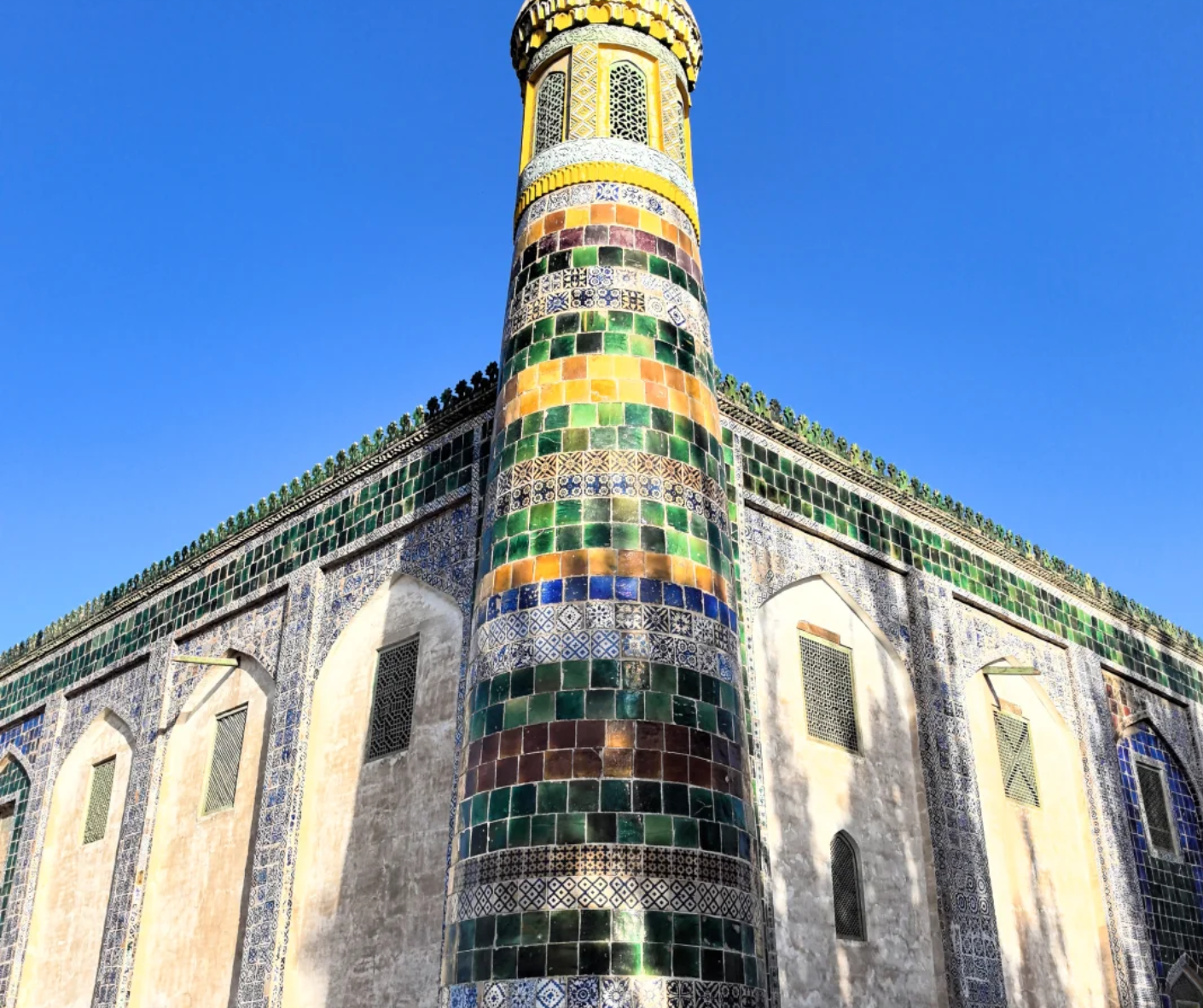
When you walk into apak khoja mausoleum, it feels big and calm. The main building is square and measures about 35 meters by 29 meters. There is a large dome in the middle that is 17 meters tall. Four minarets stand at each corner. They have stripes and pretty flower designs. The entrance has a big tiled iwan. This is common in Central Asian Islamic buildings.
Here’s a quick look at the main features you’ll notice:
Feature | Description |
|---|---|
Central Building | Square layout, 35m x 29m, topped with a 17m dome |
Minarets | Four corners, striped and covered in arabesque floral tiles |
Entrance | Large tiled iwan, leads you into the heart of the mausoleum |
Internal Structure | Dome rests on vaults, four iwans in the burial hall, surrounded by corridors |
Exterior Materials | Green glazed brick tiles on domes and walls |
Interior Features | Painted wooden pillars, geometric patterns, calligraphy in tilework |
Layout | Family tomb enclosure, prayer spaces, enclosed for privacy |
Construction Technique | Mud-brick with wooden beams, perfect for the dry Kashgar climate |
You can walk through the main hall and see the tombs. There are prayer rooms to explore. apak khoja mausoleum also has a mosque, a lecture hall, and a memorial hall for Princess Xiang Fei. Each room tells a story about the Uyghur people. The design makes you feel like you are in the past.
Glazed Tiles and Rose Garden
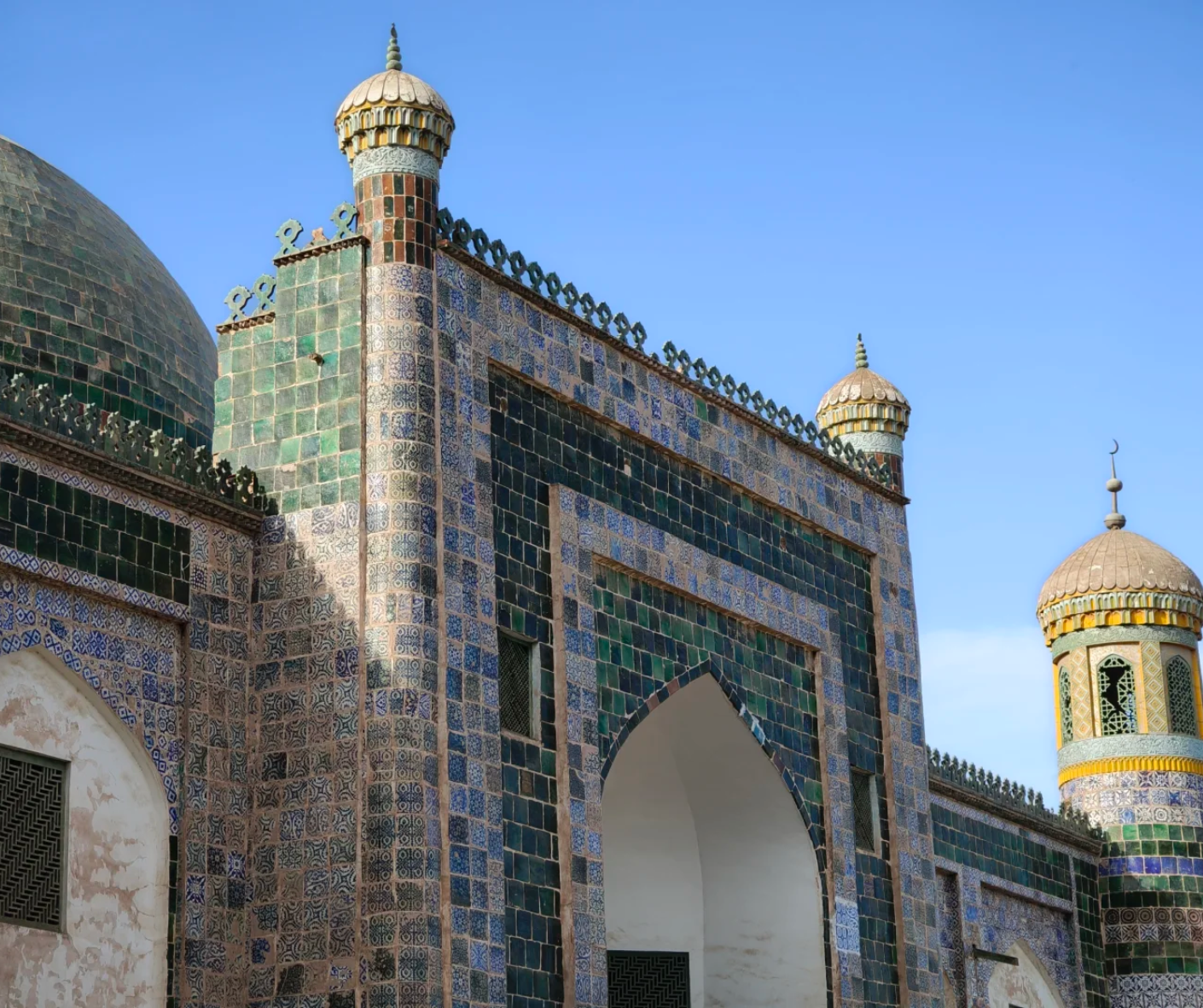
The first thing you see at apak khoja mausoleum is the color. The walls and domes are covered in green glazed tiles. These tiles shine in the sunlight and look magical. The patterns show the skill of Uyghur artists from the 17th century. You will see shapes, flowers, and calligraphy everywhere.
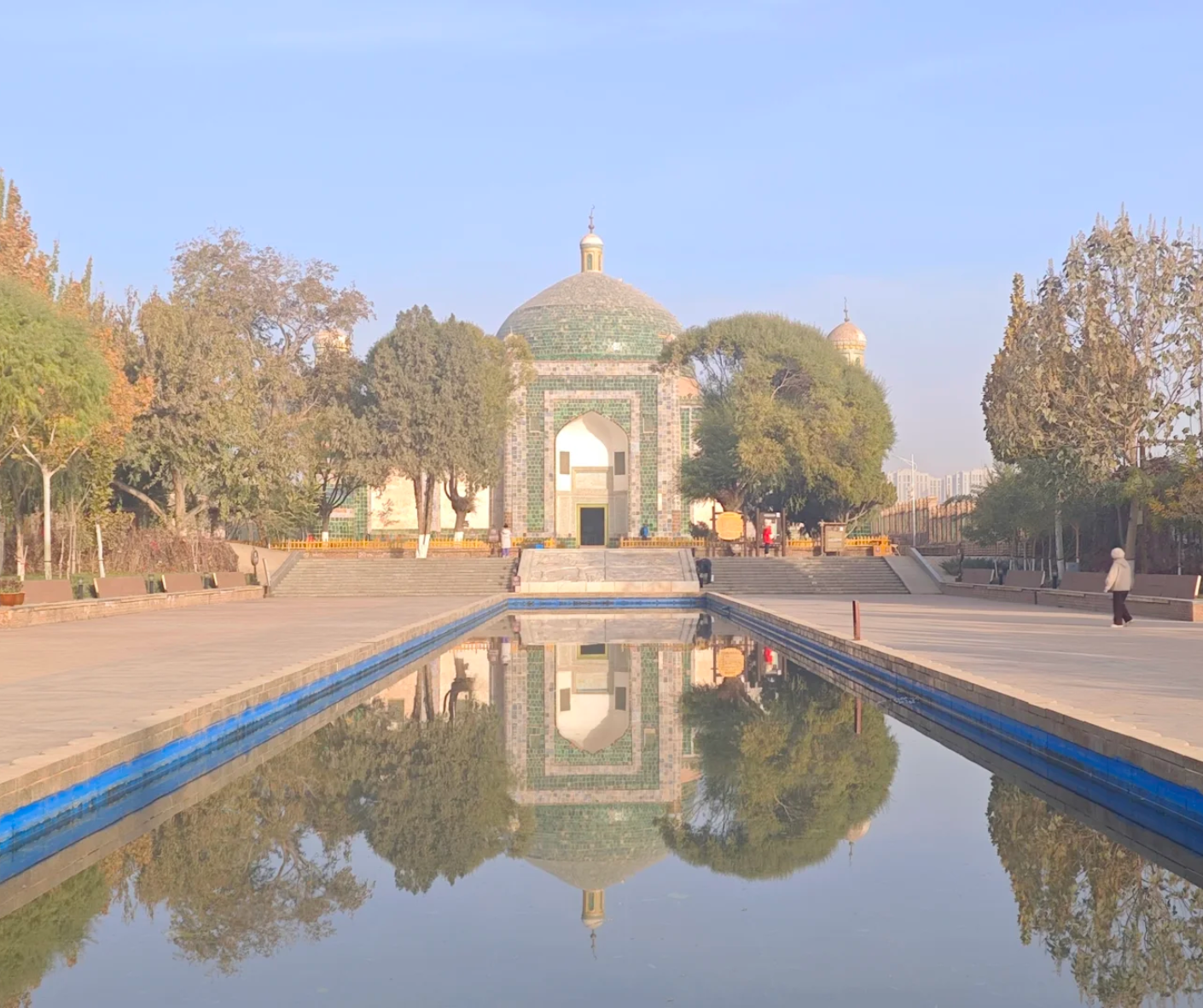
The rose garden brings a gentle touch to apak khoja mausoleum. Roses bloom in many colors and smell sweet. You can walk along the paths or sit by the pond. There are fruit trees that give shade. The garden is great for photos. Many visitors like to take pictures of the turquoise-tiled roofs, carved wooden doors, and peaceful garden. The garden and tiles make apak khoja mausoleum one of the prettiest places in Kashgar.
Here are some highlights you’ll want to see:
The sacred mausoleum with its big dome and four minarets
The turquoise-tiled roofs that shine in the sun
Carved wooden doors and painted pillars
The rose garden, perfect for a quiet walk or photos
Every part of apak khoja mausoleum has something special. The site shows the rich culture and history of the Uyghur people. It also honors legends like the Fragrant Concubine. This makes apak khoja mausoleum a place full of stories.
Visitor Experience
You can do more than just look around at apak khoja mausoleum. The site lets you join local traditions and enjoy the atmosphere. You might taste fresh fruit from the orchard. Sometimes, you can watch Xinjiang ethnic performances. Dancers may perform the Sama Dance or Maixilaipu. You can even try dancing yourself!
Here’s what you can experience at apak khoja mausoleum:
Visit the Tomb Hall and see the family resting places
Explore the Doctrine-teaching Hall and Great Hall of Prayer
Climb the Gate Tower for a view of the gardens and city
Relax by the pond or walk through the orchard
Tip: If you want the best visit, go with China Explorer Tour. Their guides know the best times to visit and the stories behind each hall. They show you hidden spots in the garden. You can taste local fruit and meet performers. You may join in cultural activities. With China Explorer Tour, you don’t just see apak khoja mausoleum—you experience it.
You will leave apak khoja mausoleum with more than just photos. You will remember the sights, sounds, and smells that make this place special. The mix of history, art, and living culture makes apak khoja mausoleum a must-see in Kashgar.
History of Abakh Hoja Tomb
Origins and Significance
When you enter the abakh hoja tomb, you step into old history. The story started in 1640. Craftsmen from Kashgar built this mausoleum for Abakh Hoja. He was a well-known Islamic leader. The building has bright tiles and a large dome. These features look like buildings in Samarkand. People also call it the Xiang Fei Tomb. This is because it honors Iparhan, the Fragrant Concubine. She was Abakh Hoja’s granddaughter. She became a legend in Chinese history.
This mausoleum is very important. It is the holiest Muslim site in Xinjiang. The complex has a mosque and a madrasa. These made Kashgar a center for Islamic learning. Many people come here for pilgrimage. The gardens and courtyards are peaceful. Visitors and locals enjoy the calm space.
Built in 1640 by Kashgar craftsmen
Honors Abakh Hoja and his family
Shows Central Asian and Uyghur art styles
Known as the Xiang Fei Tomb
Notable Figures Buried Here
Inside the mausoleum, there is more than one tomb. The first person buried here was Yusup Hoja. He was an important Islamic missionary. His son, Abakh Hoja, became a strong leader of the Ishan sect. Over time, 72 family members were buried here. Each person helped shape Kashgar’s history. They also helped spread Islam in the area.
Yusup Hoja: First person buried, known for spreading Islam
Abakh Hoja: His son, a leader and saint
Iparhan (Fragrant Concubine): Granddaughter, famous in Chinese stories
Islamic Heritage in Kashgar
The abakh hoja tomb is more than just a graveyard. It stands for Islamic heritage in Kashgar. You can see this in the building’s style and the gardens. People use the space for prayer and quiet thought.
Feature | Description |
|---|---|
Construction Year | Built around 1640 AD, a key historical site |
Burial Site | Largest Islamic burial site in the region, with 72 family members |
Architectural | Classic Islamic style, rectangular layout, glazed bricks, and lush gardens |
The mausoleum is a place for the Muslim community to gather. People come here to pray and remember their past. Travelers are welcome to visit and learn about the culture. They can also learn about the faith that shaped Kashgar.
The Fragrant Concubine Story
Who Was the Fragrant Concubine?
You might wonder who the Fragrant Concubine was. Her real name was Consort Rong, and she came from Kashgar. People say she was the granddaughter of Afaq Khoja, a famous leader in Xinjiang. She became a legend because of her beauty and a special natural scent. The Qianlong Emperor of the Qing Dynasty brought her to his palace after winning battles in the 1750s.
Here are some facts about her life:
She was a Uyghur woman who joined the imperial court.
The emperor gave her a beautiful room and a garden that looked like her home in Kashgar.
She became known for her loyalty and her role as a bridge between cultures.
The emperor tried to make her happy by building a mosque and a small oasis for her.
Her story shows how the Qing Dynasty wanted to bring different groups together.
Many people remember her for her loyalty and her tragic story. She became a symbol of unity and cultural blending.
Her Connection to Apak Khoja Mausoleum
You can find many stories about her final resting place. Some say the emperor sent a big funeral group to bring her body back to Kashgar. People believe she was buried in the family mausoleum, which is now a famous site for visitors.
Story or Belief | Details |
|---|---|
Returned to Kashgar | Her body was brought back and buried in the mausoleum. |
Grave near Beijing | Some say her grave is outside Beijing. |
Family Connection | She was the fifth generation of Apak Khoja’s family. |
Tourist Attraction | The tomb became popular because of her story. |
When you visit the mausoleum, you will see a sign that says the Fragrant Concubine rests there. This story connects Kashgar and Beijing, making the site even more special.
Legends and Local Lore
You will hear many legends about the Fragrant Concubine. Some stories say she missed her home so much that she became sad in the palace. Others say she stayed strong and loyal to the emperor. Her tale is famous in both Uyghur and Han Chinese cultures. People have written plays, books, and even made movies about her.
Her legend grew over time and became a symbol for both groups. When you walk through the tomb, you can feel the mix of history and myth. The Fragrant Concubine’s story adds a magical touch to your visit, making the mausoleum a place full of wonder and memories.
Additional Attractions Near Abakh Hoja Tomb
Surrounding Cemetery
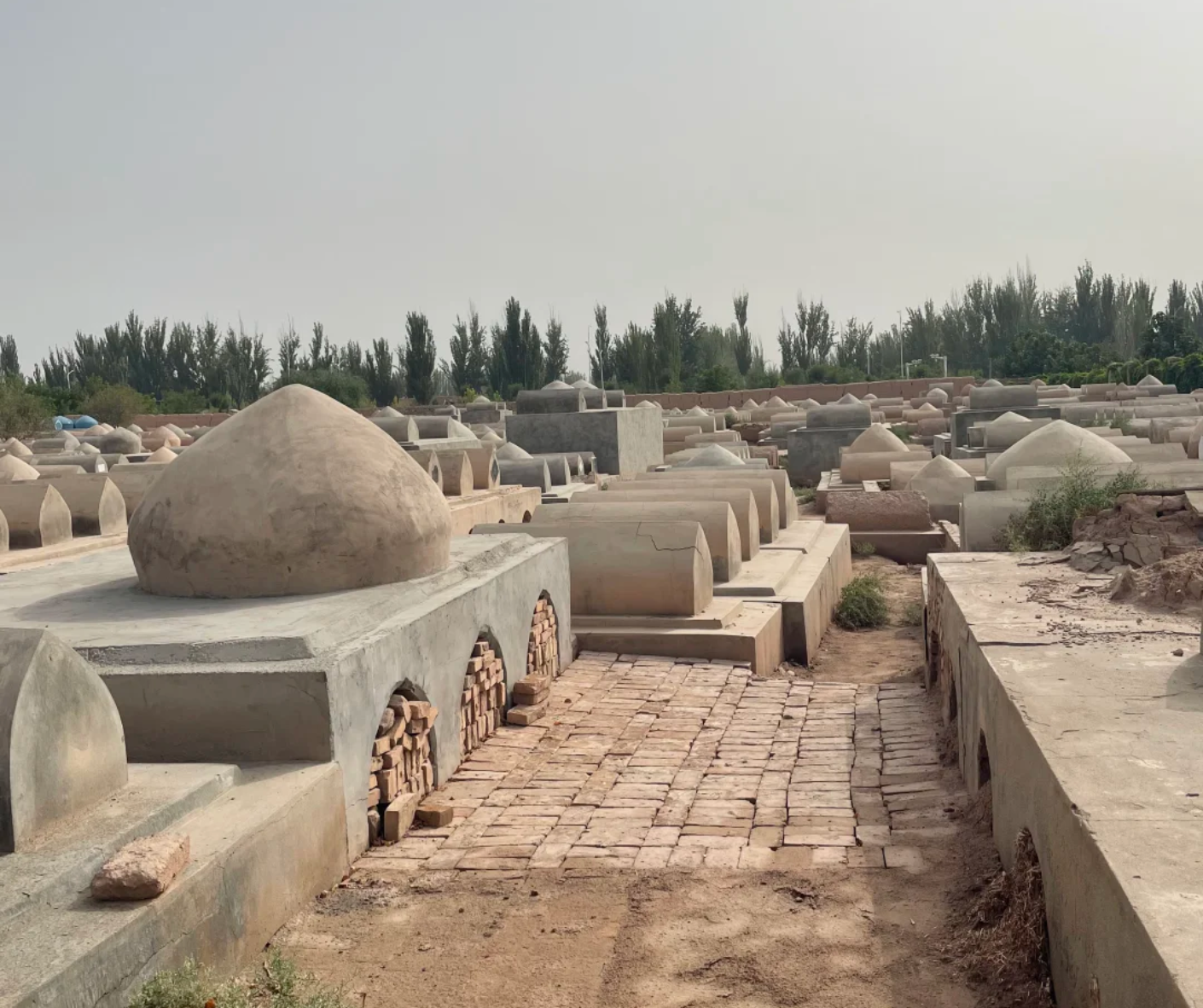
When you go to Abakh Hoja Tomb, you will see a big cemetery around it. The cemetery spreads out in all directions. It is quiet and full of history. Walking on the paths, you see many old gravestones. Each gravestone has its own story. The cemetery is not only for the mausoleum’s family. Many Uyghur families use this cemetery too. Some headstones have pretty carvings and Arabic writing. The calm feeling helps you think about Kashgar’s deep culture. If you like taking photos, morning light makes the cemetery look magical.
Other Historical Sites
There are more places to see near Abakh Hoja Tomb. Kashgar has lots of history and culture. Here are some sites you should visit:
Id Kah Mosque
Kashgar Old Town
Apak Hoja Tomb
Each site shows a different part of Kashgar’s past. Id Kah Mosque is one of China’s biggest mosques. Kashgar Old Town has narrow lanes and old Uyghur houses. Apak Hoja Tomb is also called the Fragrant Concubine’s mausoleum. Many travelers love this site. Seeing these places helps you learn why Kashgar is special.
Hidden Gems with China Explorer Tour
If you want to find secret spots, China Explorer Tour can help. Abakh Hoja Tomb is an architectural gem with gardens and quiet courtyards. You can see detailed tilework and enjoy the peaceful area. With a special plan, you may visit quiet parts of the cemetery or hidden places in the gardens. Local guides from China Explorer Tour tell stories and show the best photo spots. You learn more about Kashgar’s culture and history. Every visit feels special when you explore with someone who knows the city well.
Practical Tips for Visiting Abakh Hoja Tomb
Best Times to Visit
Choosing the right time helps you enjoy your trip more. Kashgar’s weather changes a lot each season. The best months to visit are from May to October. In late spring, summer, and early fall, the gardens look pretty and the air is fresh. The sky is often blue, which is great for taking pictures. Try not to visit during big Chinese holidays if you want fewer people around. Mornings and late afternoons are calm and quiet.
May to October: Nice weather and blooming gardens
Skip national holidays for fewer crowds
Early or late in the day: Cooler and peaceful
What to Bring and Wear
You should feel good while walking around. The tomb is a religious place, so wear modest clothes. Light and loose outfits are best when it’s hot. Bring a hat and sunscreen for sunny days. Wear comfy shoes because you will walk on stone and garden paths. Carry a small water bottle to stay cool. If you want to take pictures, bring a camera or phone with extra battery.
Tip: A scarf or shawl is handy for covering your head or shoulders, especially in prayer areas.
Etiquette and Accessibility
Be polite and follow local rules when you visit. Talk softly and do not laugh loudly. Always ask before taking photos of people. Take off your shoes in prayer halls. Most of the site is flat, but some places have steps or rough ground. Wheelchairs can get into the main garden, but some halls are harder to reach. If you need help, China Explorer Tour guides can assist you.
Etiquette | Accessibility |
|---|---|
Dress modestly | Mostly flat paths |
Remove shoes | Some steps in halls |
Speak quietly | Wheelchair access in gardens |
Guided Tours: 11-Day North Xinjiang Adventure
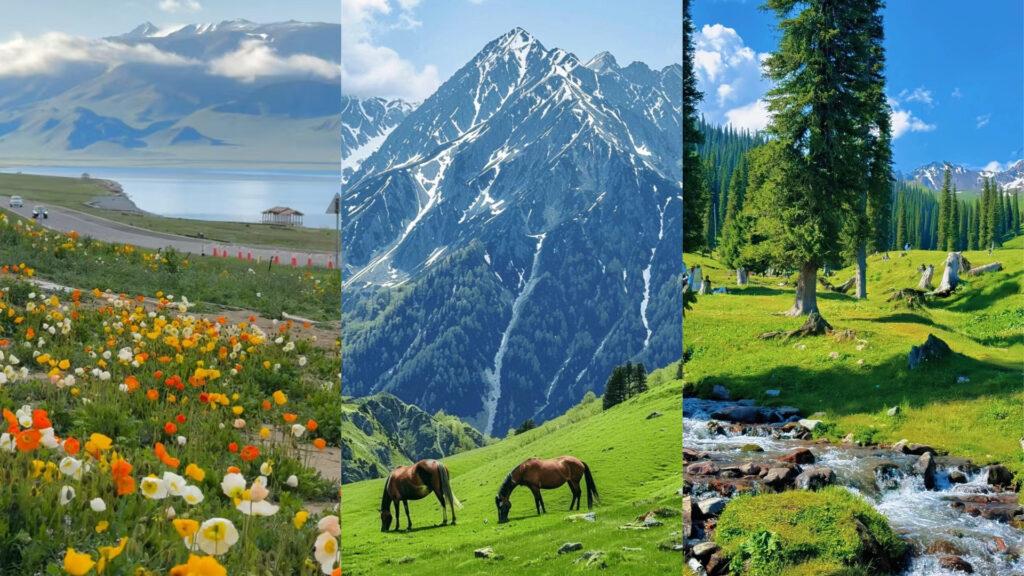
If you want to learn more, try the 11-Day North Xinjiang Adventure with China Explorer Tour. This tour takes you to Abakh Hoja Tomb, where you see chapels, gardens, and archways. You will learn about Uygur funeral customs and see Islamic architecture up close. The tour also visits other top places in Xinjiang, so you see more than just one site. Guides share stories, history, and tips to make your trip special.
Visit Abakh Hoja Tomb and its gardens
Learn about Uygur culture and traditions
See more of Xinjiang’s beautiful places
With China Explorer Tour, your trip is easy and fun, and you will remember it for a long time.
When you visit Abakh Hoja Tomb, you get more than just a tour. This place is the biggest Islamic mausoleum in China. It has amazing buildings and many stories from the Uyghur people. You can learn about the legend of Xiang Fei here. You also feel how old Kashgar’s history is. If you go with China Explorer Tour, you get to try local things and have an easy trip. The tomb and quiet gardens show you a special world that you will always remember.
FAQ
How long should I plan to spend at Abakh Hoja Tomb?
Most visitors spend 1–2 hours here. You can walk through the gardens, see the tombs, and take photos. If you join a guided tour, you might stay a bit longer to hear more stories.
Can I take photos inside the mausoleum?
You can take photos outside and in the gardens. Some indoor areas may not allow photography. Always check for signs or ask your guide before snapping pictures.
Is the site suitable for kids and seniors?
Yes! The paths are mostly flat and easy to walk. Kids enjoy the gardens and stories. Seniors can rest on benches. If you need extra help, China Explorer Tour guides can assist you.
Do I need to book tickets in advance?
You can buy tickets at the entrance. If you want a guided experience or a custom tour, booking with China Explorer Tour makes your visit smoother and more fun.
What makes China Explorer Tour special for this visit?
You get local guides who know the best spots and stories. They handle tickets and transport. You also enjoy a worry-free trip with real cultural experiences.
See Also
Must-See Activities in Yellow River Canyon for Lasting Memories