The Historical Origins of Shaolin Temple and Its Early Foundations

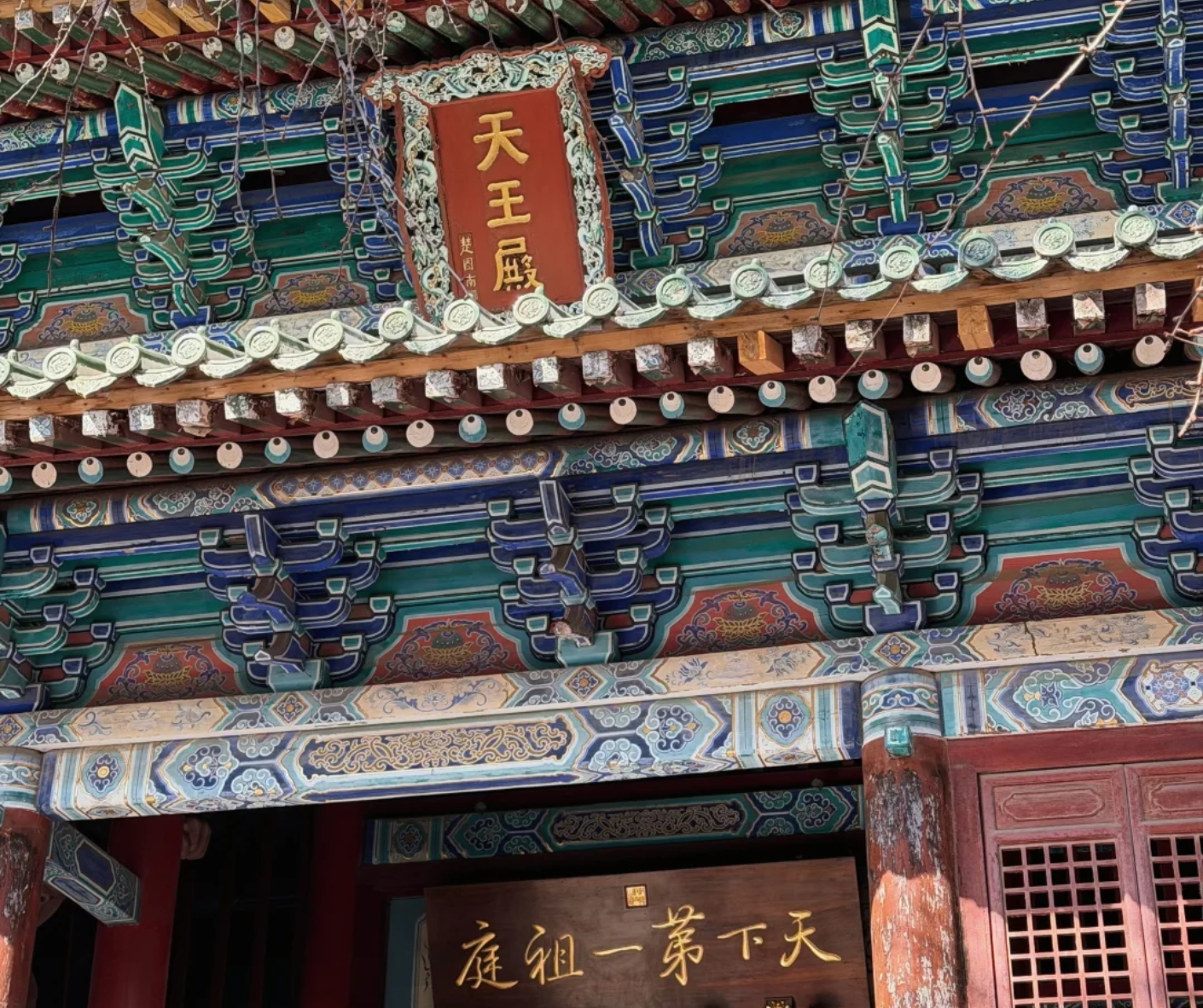
The historical origins of Shaolin Temple date back to 495 CE when Emperor Xiaowen commissioned its construction for Batuo, an Indian monk. Batuo introduced Buddhist meditation and played a crucial role in translating scriptures at the temple. Over time, the temple became a significant part of Chinese culture and religion. While tales of martial arts and legends contributed to its fame, the real facts surrounding its establishment remain paramount.
Key Takeaways
Shaolin Temple was built in 495 AD by Emperor Xiaowen for the Indian monk Batuo. This started the spread of Buddhism in China.
Bodhidharma was an important person. He brought a special way to meditate. This method used both the mind and body. It helped create Chan Buddhism at Shaolin.
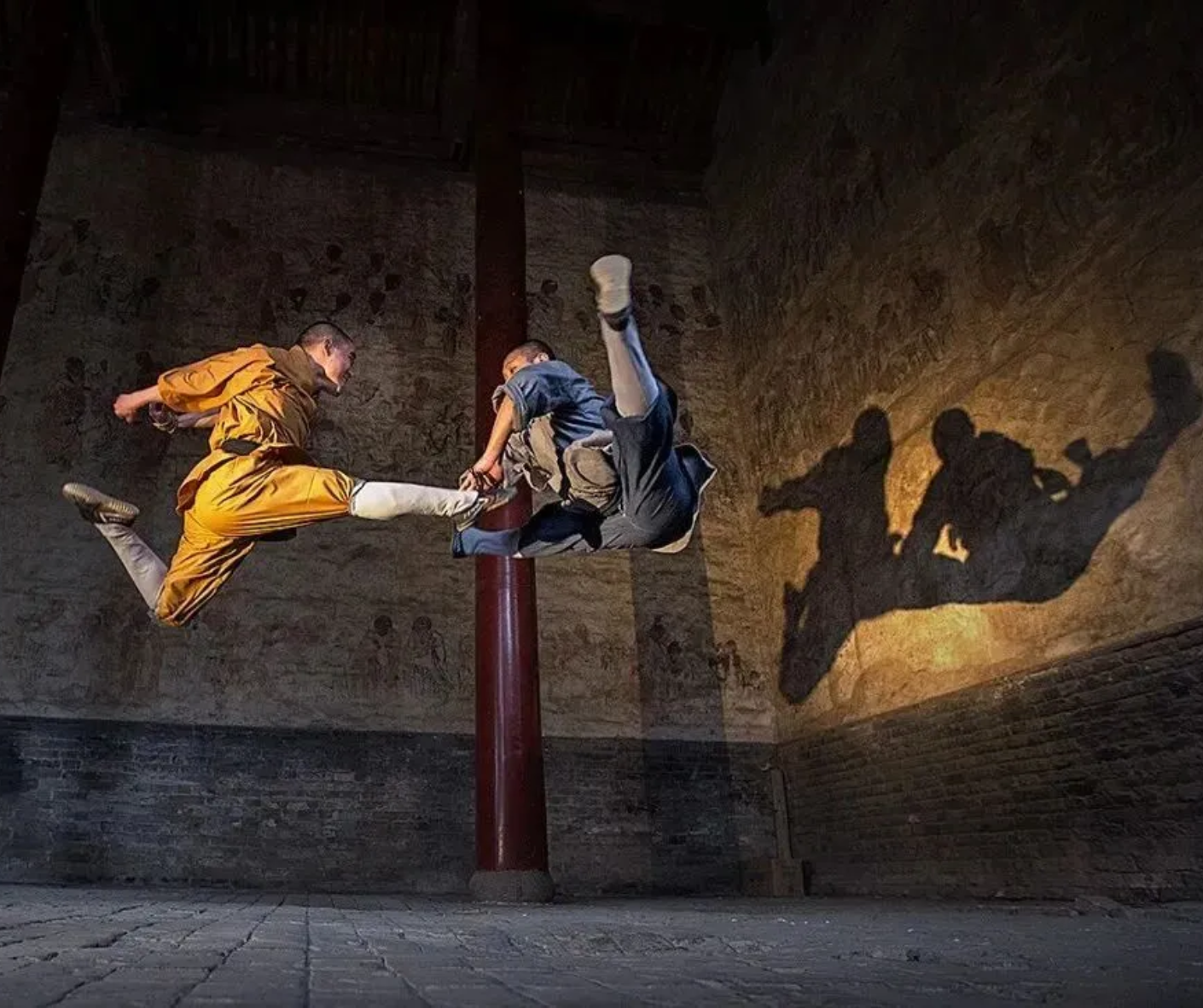
Martial arts became a big part of life at Shaolin. It started as a way to protect themselves. Later, it helped people get stronger and grow spiritually.
The Historical Origins of Shaolin Temple
Founding in 495 AD
Shaolin Temple started in the late 5th century. In 495 AD, Emperor Xiaowen wanted a Buddhist monastery built. He chose the foot of Shaoshi Mountain for the temple. This choice helped Buddhism grow in China. Ancient books tell us about the temple’s beginning. The table below lists main sources that prove Shaolin Temple was founded:
Source | Year | Description |
|---|---|---|
Continued Biographies of Eminent Monks | 645 | Says Emperor Xiaowen started Shaolin Monastery in 477 AD. |
Record of the Buddhist Monasteries of Luoyang | 547 | Shows where Shaolin Temple was built and who built it. |
Ming Yitongzhi | 1461 | Matches older sources about the temple’s start. |
Jiaqing Chongxiu Yitongzhi | 1843 | States the temple was built in 495 AD during the Taihe era. |
These records help experts learn about Shaolin Temple’s history. Shaoshi Mountain is part of the Song mountain range in Henan province. The mountain gave monks a calm place to practice their faith.
Batuo and Emperor Xiaowen
Emperor Xiaowen was important in Shaolin Temple’s history. He invited Batuo, an Indian Buddhist monk, to China. Batuo got permission to build the temple in 495 AD. The emperor wanted a place for Buddhist teachings to grow. Batuo became the first leader of Shaolin Temple. He taught meditation and translated Buddhist texts. The temple’s spot at Shaoshi Mountain kept monks away from busy city life. This helped them focus on learning and spiritual growth.
Emperor Xiaowen supported Batuo and the temple. He wanted Buddhism to spread in China. Batuo’s guidance shaped the temple’s early ways and helped its future.
Early Purpose and Significance
Shaolin Temple was made for Buddhist practice. Monks used it to meditate and translate holy books. Its faraway location on Shaoshi Mountain changed how it grew:
The founders picked a quiet place deep in the woods. This made it easy for monks to meditate.
Being alone helped monks work on their faith without outside noise.
Later, monks learned martial arts for self-defense. This became part of the temple’s story.
The temple was important during the Northern Wei Dynasty. It became a center for Chan Buddhism, which spread across China. Shaolin Temple also brought together Buddhism, Confucianism, and Taoism. Bodhidharma came later and taught Chan ideas at Shaolin. He is known as the first Patriarch of Chinese Chan.
Shaolin Temple’s history shows it helped Chan and Pure Land Buddhism grow.
The temple’s place as a meeting spot for three big beliefs made it important in Chinese culture.
Today, people can visit Shaolin Temple to learn about its history. China Explorer Tour gives trips that show the temple’s traditions. Visitors can walk where old monks walked, see ancient halls, and learn about Shaolin Temple’s effect on Chinese religion and culture.
Key Figures and Early Traditions
Bodhidharma and Chan Buddhism
Bodhidharma is a very important person in Shaolin Temple’s story. He came from South India to China. He brought a new way to meditate. A manuscript found in the Dunhuang caves talks about “Bodhi Dharma from the Pallava kingdom.” This proves he came to China and changed spiritual practice. He taught a special meditation that used both mind and body. This became the start of Chan Buddhism at Shaolin Temple.
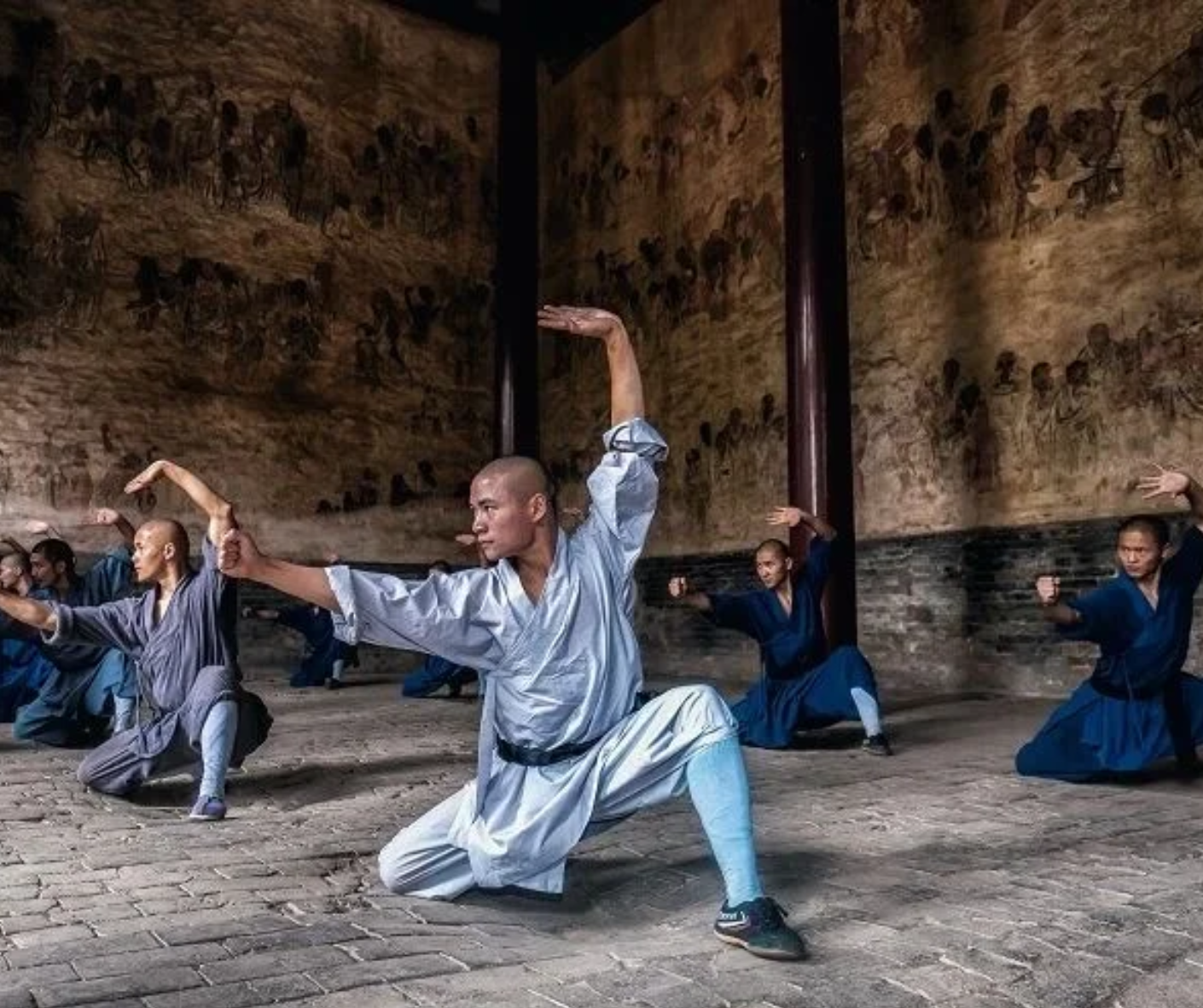
Bodhidharma saw that monks had trouble sitting for a long time. Their bodies were weak. He showed them exercises with movement and stillness. These included the Yi Jin Jing. The monks got stronger and could focus better. Shaolin monks still do these exercises today. Bodhidharma’s lessons are still important. The beginning of Shaolin Temple is closely linked to him and Chan Buddhism.
Life at Shaolin Temple changed after Bodhidharma arrived. Monks mixed meditation, exercise, and living together. This became a big part of Chan practice. The temple taught with lessons and advice. Warrior monks learned martial arts and took cultural classes. These things helped monks grow and learn what Chan Buddhism means.
Martial Arts Integration
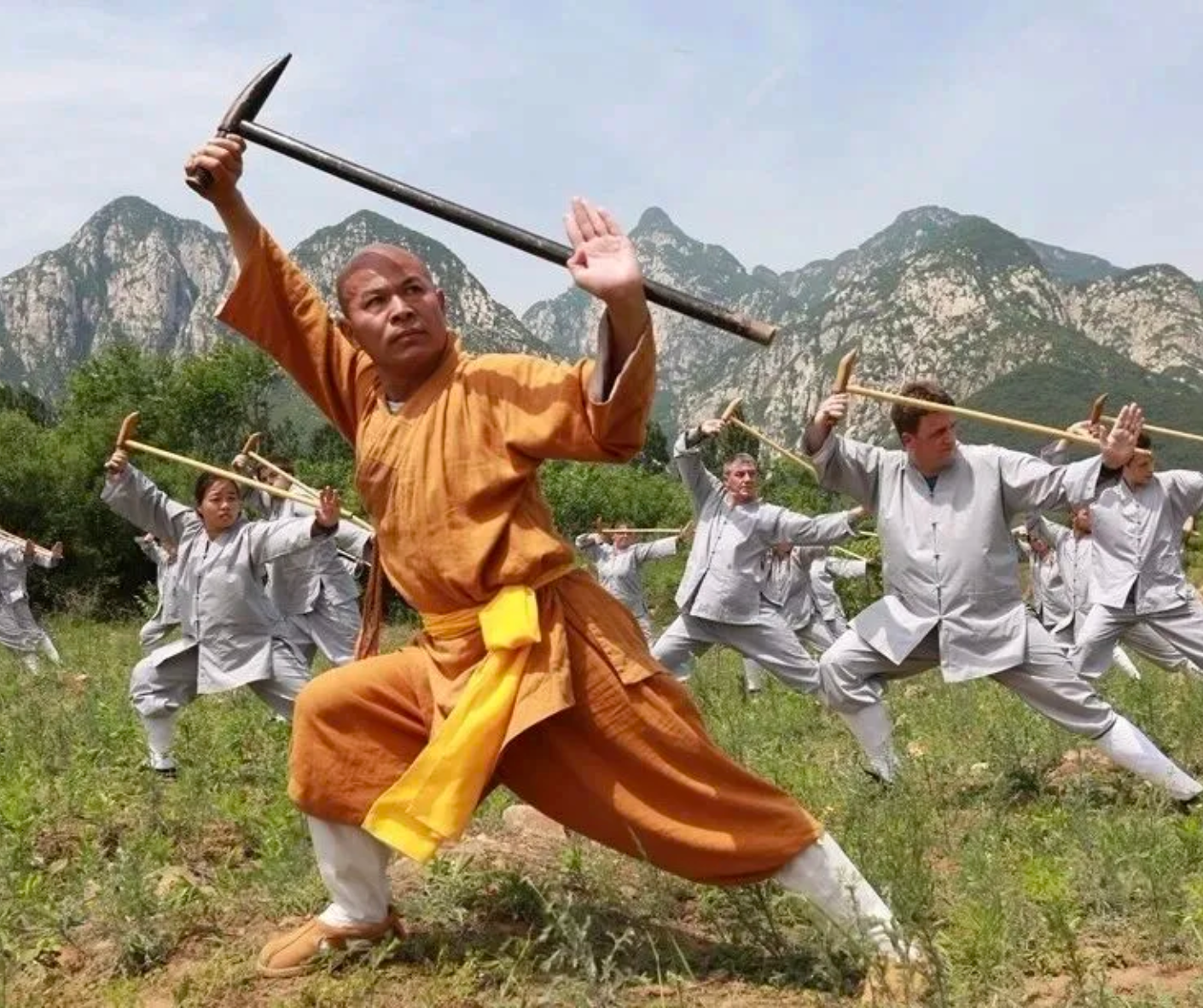
Martial arts became a big part of Shaolin Temple life. The first monks, like Batuo’s students, knew martial skills. In the Sui dynasty, monks started to organize their fighting moves. They made the 18 methods of Luohan. These became the base for Shaolin martial arts.
Early records say Shaolin monks fought off bandits and joined battles. A stone stele from 728 tells about monks fighting in the Battle of Hulao in 621. These stories show martial arts were not just for safety. They helped monks train their bodies and minds.
Shaolin monks started using unarmed boxing to get better. They wanted to improve themselves, not just fight. Bodhidharma’s exercises helped monks get stronger and use their energy. Shaolin Kung Fu grew from these ideas. It mixed physical skill with spiritual training.
Shaolin Kung Fu shows the teachings of Chan Buddhism. This is why martial arts and spiritual practice are so closely tied at Shaolin.
Today, travelers can try these traditions with China Explorer Tour. These trips offer meditation, Tai Chi, and martial arts with local teachers. Visitors learn about the temple’s history and join daily routines that shaped Shaolin for a long time.
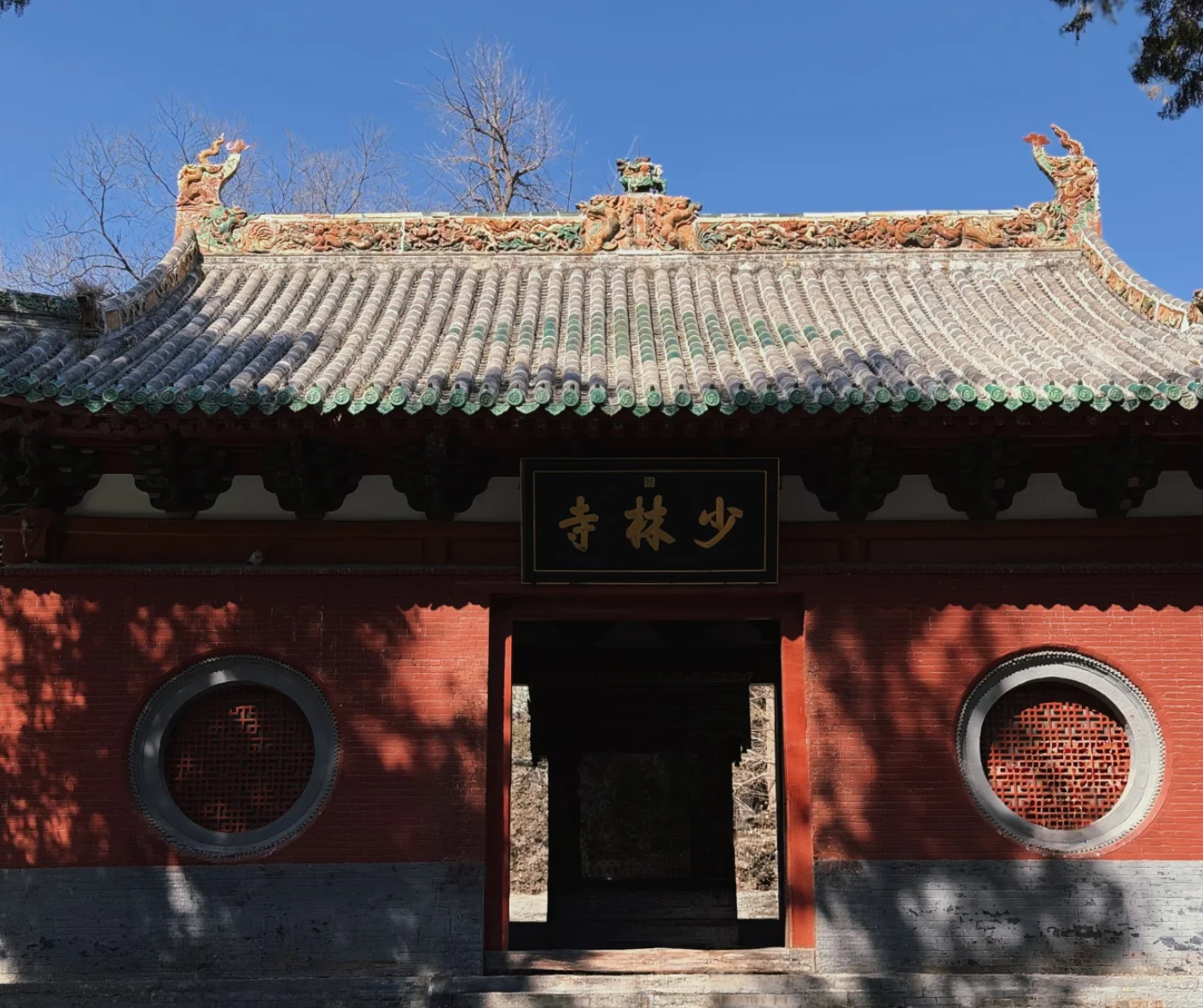
Early Legends and Reputation
Many legends tell about Shaolin Temple’s early days. Some stories say monks helped the Tang dynasty fight Sui troops. Others talk about thirteen warrior monks who helped Li Shimin win a battle. These stories are famous, but historians look for proof to see what is true.
Legend Description | Historical Corroboration |
|---|---|
Shaolin monks attacked Sui troops led by Wang Shichong, aiding the Tang dynasty's establishment. | Documented involvement of monks in battles during the early 7th century. |
Thirteen warrior monks helped Li Shimin achieve victory. | Variations exist in the accounts of this event. |
Emperor Taizong sent a letter of gratitude to the monks. | Existence of a stele at Shaolin commemorating the monks' contributions, though the date of erection is unclear. |
Shaolin Temple’s story has real events and legends. Over time, the temple became more famous. Stories about Ta Mo, or Bodhidharma, teaching martial arts and meditation spread in China. The Yi Jin Jing helped monks sit longer and protect themselves. By the end of the Ming Dynasty, Shaolin Temple Boxing was known as the best martial art in China.
As Shaolin became famous, its skills spread to places like Okinawa, Japan, and Korea. In wars, Shaolin monks became symbols of strength. Their skills and spirit inspired people all over Asia.
Travelers today can learn about these traditions with China Explorer Tour. The tours let visitors try meditation and martial arts in the same halls as old monks. These trips help people see how body, mind, and spirit are connected at Shaolin.
Shaolin Temple is an important part of Chinese history and culture. Old records tell us about real things that happened. Legends make the temple’s story more interesting. The temple has changed martial arts, spiritual life, and culture around the world.
Aspect | Influence |
|---|---|
Martial Arts | Teaches people to be strong and disciplined everywhere. |
Spirituality | Helps people focus and feel better. |
People can visit and learn these traditions with China Explorer Tour.
FAQ
What makes Shaolin Temple unique in Chinese history?
Shaolin Temple is special because it mixes Chan Buddhism and martial arts. It became a famous place for both spiritual practice and physical training in China.
Can visitors experience meditation or martial arts at Shaolin Temple?
Yes. Visitors can try meditation and martial arts with local teachers. China Explorer Tour has programs for people who want to learn real Shaolin ways.
Who founded Shaolin Temple, and why?
Emperor Xiaowen made Shaolin Temple for Batuo, an Indian monk. The temple was built so monks could study Buddhism and meditate.