Guangzhou Guangxiao Temple Visitor Guide and Travel Advice

You want to visit guangzhou guangxiao temple without any hassle. Just head to 109 Guangxiao Road in Guangzhou. The temple opens every day from 8:30 AM to 4:30 PM, and tickets usually cost around 5 to 30 CNY per person. This buddhist temple holds a special place in the city’s heart, with ancient halls and a peaceful vibe that draws both locals and travelers. You’ll find unique architecture, centuries-old trees, and a sense of calm that sets guangxiao temple apart.
Key Takeaways
You can visit Guangxiao Temple at 109 Guangxiao Road. The temple is open every day from 8:30 AM to 4:30 PM. Tickets cost between 5 and 30 CNY. This makes it a cheap place to go.
Take the subway for fast travel. Use Line 1 and get off at Ximenkou Station. Walk north for five minutes to reach the temple.
Come early on weekdays for a quiet visit. Mornings have fewer people. You can enjoy the temple’s peaceful feeling.
Learn about the temple’s long history. It is over 1,700 years old. See the Mahavira Hall and old trees. These are important things to see.
Be polite and wear modest clothes. Follow the rules of the temple. You can take photos outside. Do not use flash inside the halls.
Guangzhou Guangxiao Temple Location & Hours
Where to Find the Temple
You can find guangzhou guangxiao temple right in the heart of Yuexiu District. The temple sits at a spot that’s easy to reach, whether you’re coming from downtown or another part of the city. Here’s what you need to know:
Address:
109 Guangxiao Rd, Yuexiu District, Guangzhou, Guangdong Province, China, 510180
109 Guangxiao Lu (109 Guangxiao Road)
If you want a simple way to get there, hop on the subway. Take Line 1 and get off at Ximenkou Station (西门口). Once you exit, walk north along Guangxiao Road. You’ll see the temple at the northern end of the street. The walk is short and straightforward, so you won’t get lost.
Many travelers prefer the subway because it’s fast and avoids traffic. If you’re staying near popular spots like Beijing Road or the Pearl River, you can reach the temple in less than 20 minutes. Taxi rides are also available, but the subway is usually the quickest option.
Tip: If you want a peaceful visit, try arriving on a weekday morning. The temple feels calm and quiet before the crowds show up.
Opening Times & Ticket Info
You don’t need to worry about complicated schedules. Guangxiao temple opens every day from 8:30 AM to 4:30 PM. You can plan your visit any day of the week. The ticket price is affordable, usually between 5 and 30 CNY per person. You can buy tickets at the entrance, and the process is quick.
Here’s a quick summary:
Opening Hours | Ticket Price | Ticketing Process |
|---|---|---|
8:30 AM – 4:30 PM | 5–30 CNY/person | Buy at entrance counter |
If you want to avoid waiting in line, arrive early. Most visitors come after 10 AM, so mornings are best for a relaxed experience. You’ll get to enjoy the temple’s peaceful atmosphere and take your time exploring.
Note: The temple sometimes hosts special events or ceremonies. If you visit during these times, you might see more people, but you’ll also get a glimpse of local traditions.
You’re all set to plan your visit. With easy subway access, clear opening hours, and simple ticketing, guangzhou guangxiao temple welcomes you for a smooth and memorable experience.
Why Visit Guangxiao Temple
Historical & Cultural Importance
When you enter guangzhou guangxiao temple, you feel its long history. The temple has been here for over 1,700 years. It was first a private house in the Western Han Dynasty. Later, it became a Zen Buddhist temple. The temple helped spread Buddhist culture in Guangzhou. Many famous monks and translators visited here. They shared their wisdom and traditions.
Did you know? Guangxiao Temple is a Key National Cultural Preservation Site. People visit for spiritual reflection and to see living history.
Here are some important moments:
Year/Period | Event Description |
|---|---|
206 BC | Zhao Jiande, king of Nanyue, lived here before the Han invasion. |
233 | Yu Fan, a Wu scholar, was sent here. His family gave the estate and started Zhizhi Temple. |
1482 | The Ming dynasty’s Chenghua Emperor renamed it Guangxiao Temple. |
1898-1931 | The temple was damaged when property was taken. |
1966-1976 | The Cultural Revolution caused more damage and some buildings were used for other things. |
You do not just see a temple. You walk through many years of stories.
Unique Features to Explore
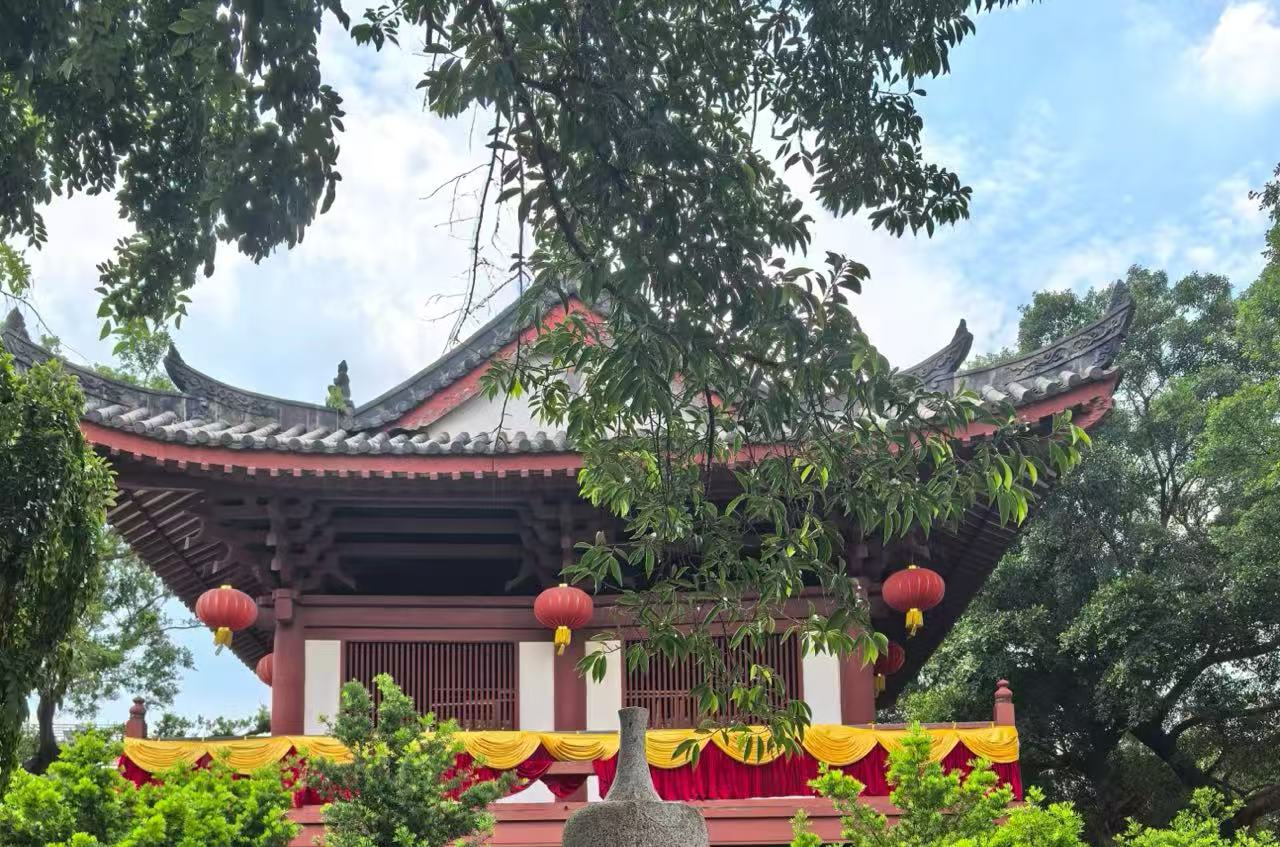
Guangxiao temple is different from other places in Guangzhou. The buildings mix old Chinese styles with Buddhist art. The Mahavira Hall is the main part of the temple. The East and West Iron Towers look special and stand out. These towers show the region’s art skills.
You see old trees that have been here for many years. Pilgrims come to practice Zen Buddhism and join rituals. The temple feels calm and quiet. You can slow down and think. If you like history, culture, or want a peaceful place, this temple has it all.
Tip: Take your time in each hall. Every part shares a story about Guangzhou’s rich past.
Getting to Guangxiao Temple
Subway & Public Transport
You want to know how to get to guangxiao temple with ease. The subway is your best friend in Guangzhou. Hop on Line 1 and ride to Ximenkou Station. Exit the station and walk north along Guangxiao Road. You will spot the temple at the end of the street. The walk takes less than five minutes. Buses also stop near this landmark, but the subway is faster and easier for most travelers.
Here’s a quick guide:
Transport | Stop Name | Walking Time | Notes |
|---|---|---|---|
Subway | Ximenkou | 5 mins | Line 1, Exit B |
Bus | Guangxiao Lu | 3-7 mins | Multiple routes |
Tip: Subway rides are smooth and safe. You avoid traffic and reach the attraction quickly.
Taxi, Ride-Sharing, and Parking
If you prefer taxis or ride-sharing apps, you can reach guangzhou guangxiao temple from anywhere in the city. Just tell the driver “Guangxiao Temple” or show the address. Didi and other apps work well in Guangzhou. The temple is a popular landmark, so drivers know how to get there. Parking is limited near the entrance, but you can find paid lots on nearby streets.
Taxi: Fast and direct, good for groups or rainy days.
Ride-sharing: Use Didi or similar apps for easy booking.
Parking: Paid lots on Guangxiao Road and nearby lanes.
Note: If you drive, arrive early to find a spot. The area gets busy during weekends and holidays.
Directions from Key Landmarks
You might visit other recommended attractions before heading to guangxiao temple. Here’s how to get to guangxiao temple from popular spots:
Beijing Road Pedestrian Street: Take Line 1 at Gongyuanqian Station. Get off at Ximenkou. Walk north.
Chen Clan Ancestral Hall: Walk east for 10 minutes. The temple is the next landmark on your route.
Pearl River: Take a taxi or subway to Ximenkou. The temple is close to other recommended attractions.
Guangxiao temple sits near many top attractions. You can plan your day to visit several landmarks in one trip. This makes your journey smooth and enjoyable.
🚶♂️ Walking between attractions is easy. You see more of the city and enjoy local sights.
Guangxiao Temple Highlights
Main Halls & Pagodas
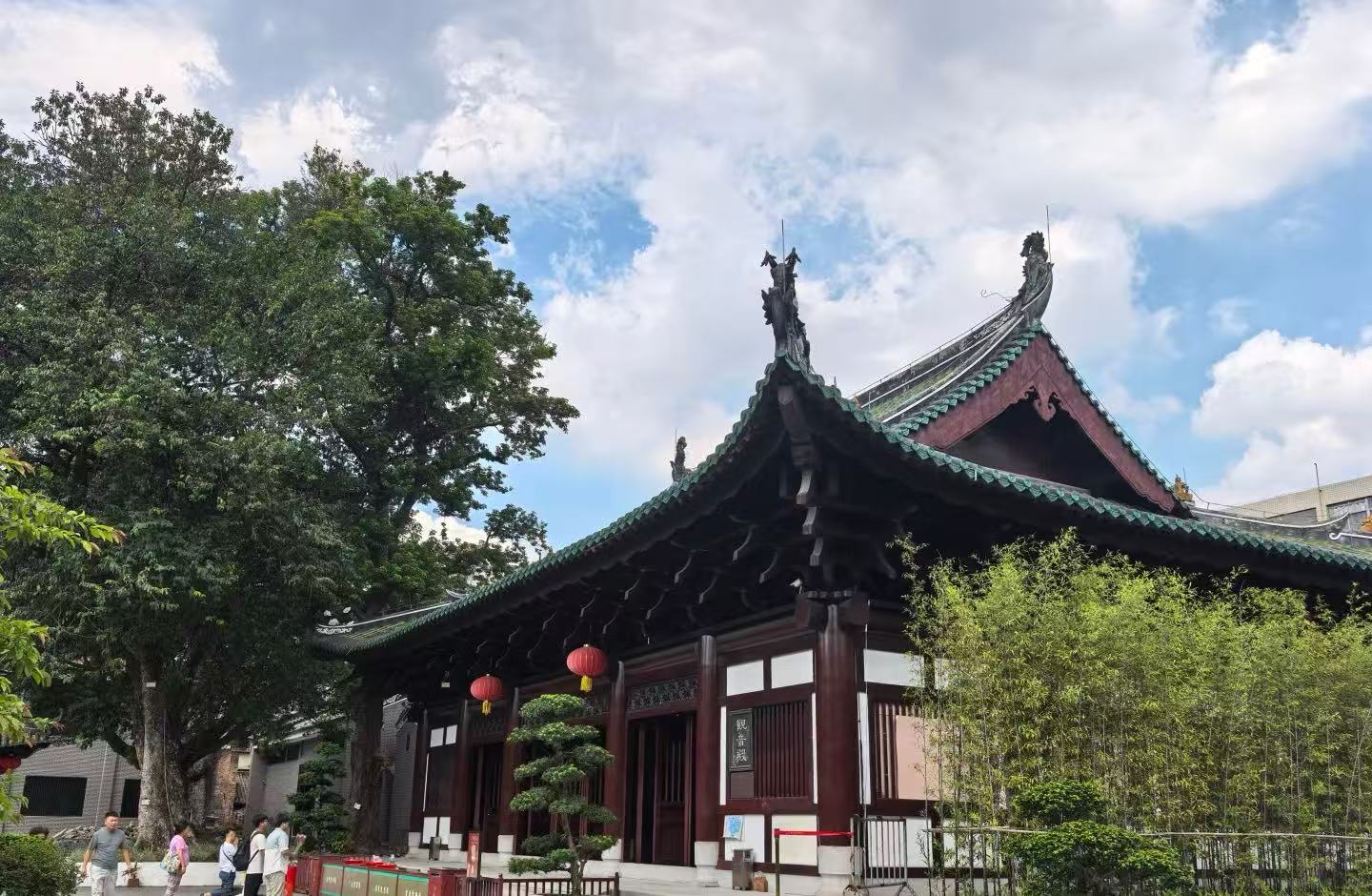
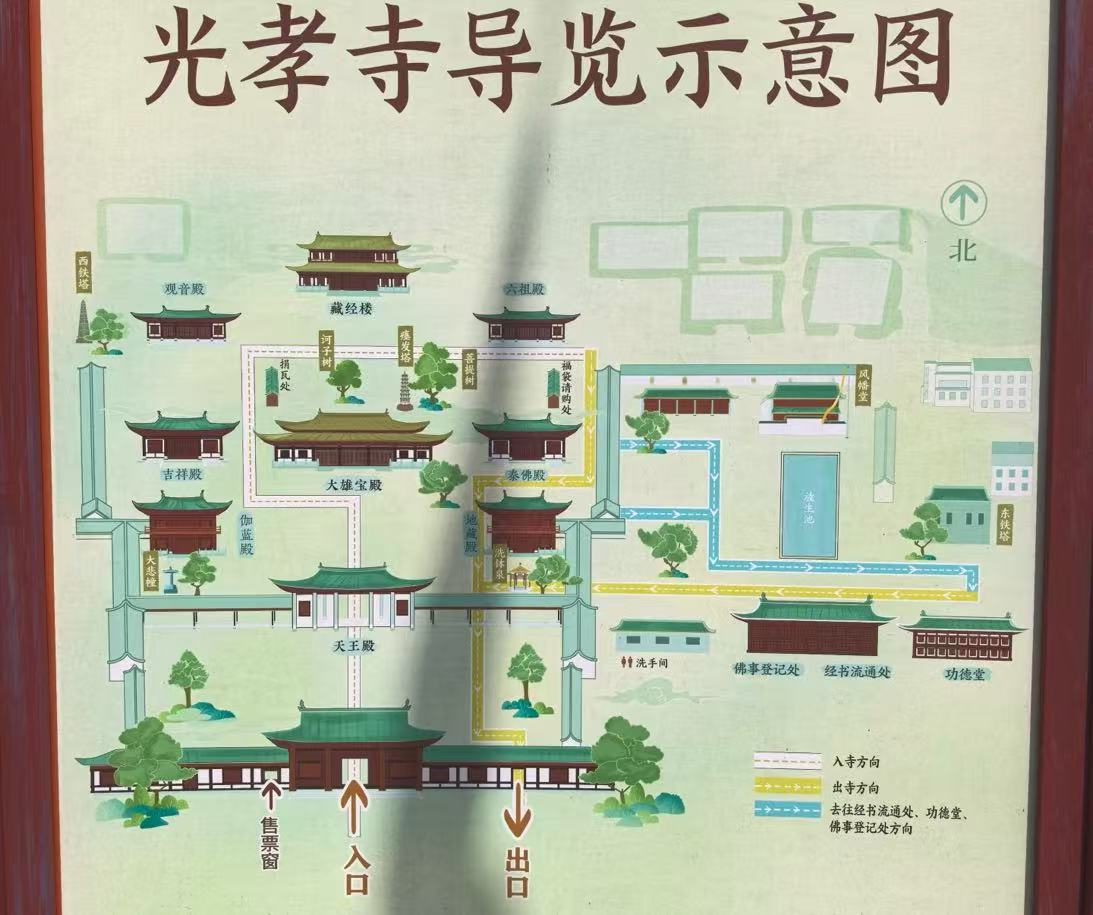
When you step inside guangxiao temple, you notice the grand halls and pagodas right away. The Mahavira Hall stands at the center. You see tall pillars and golden statues. This hall is the heart of the temple. People come here to pray and find peace. The Ksitigarbha Hall sits nearby. It feels quiet and safe. You might spot monks chanting or visitors lighting incense. The Guanyin Hall welcomes you with soft light and gentle sounds. Each hall has its own story and purpose. You can walk from one to another and feel the history in every corner.
Ancient Trees & Iron Towers
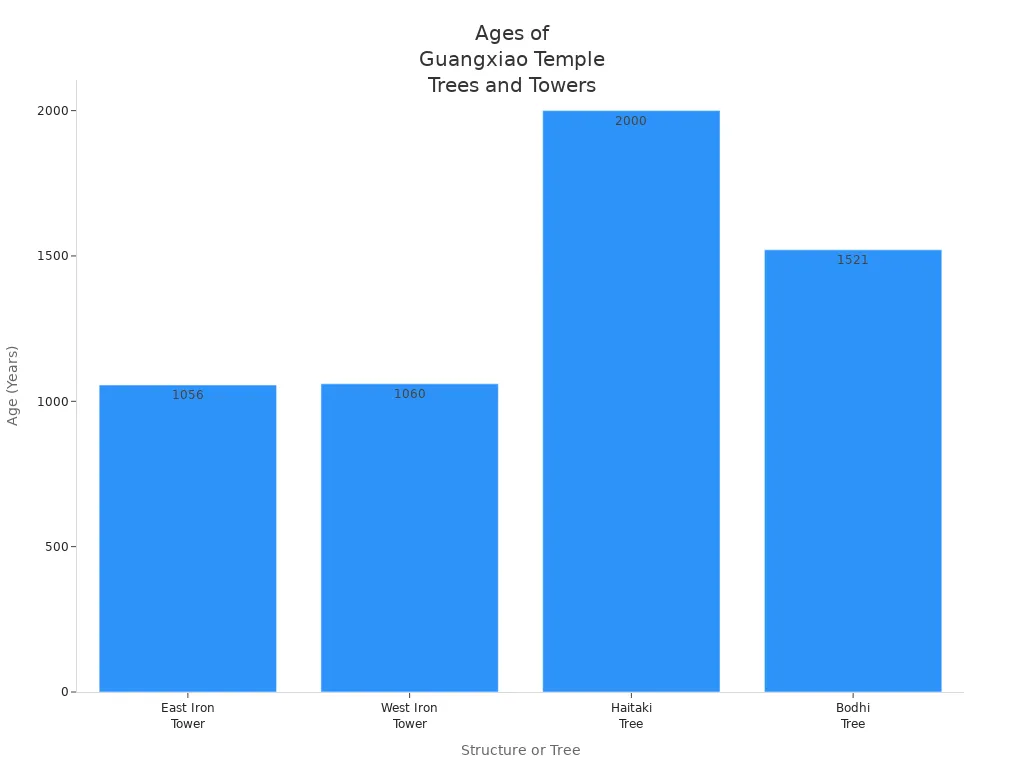
You find some of the oldest living things in guangzhou guangxiao temple. The ancient trees and iron towers have watched over the temple for centuries. The Haitaki Tree is almost 2,000 years old. The Bodhi Tree came from India more than 1,500 years ago. The East and West Iron Towers are over 1,000 years old. These treasures make the temple special.
Here’s a quick look at their ages:
Structure | Year Built | Age (Years) |
|---|---|---|
East Iron Tower | 967 | 1056 |
West Iron Tower | 963 | 1060 |
Haitaki Tree | ~23 AD | ~2000 |
Bodhi Tree | 502 | 1521 |
Tip: Stand under the Haitaki Tree and look up. You feel the weight of history above you.
Rituals & Offerings
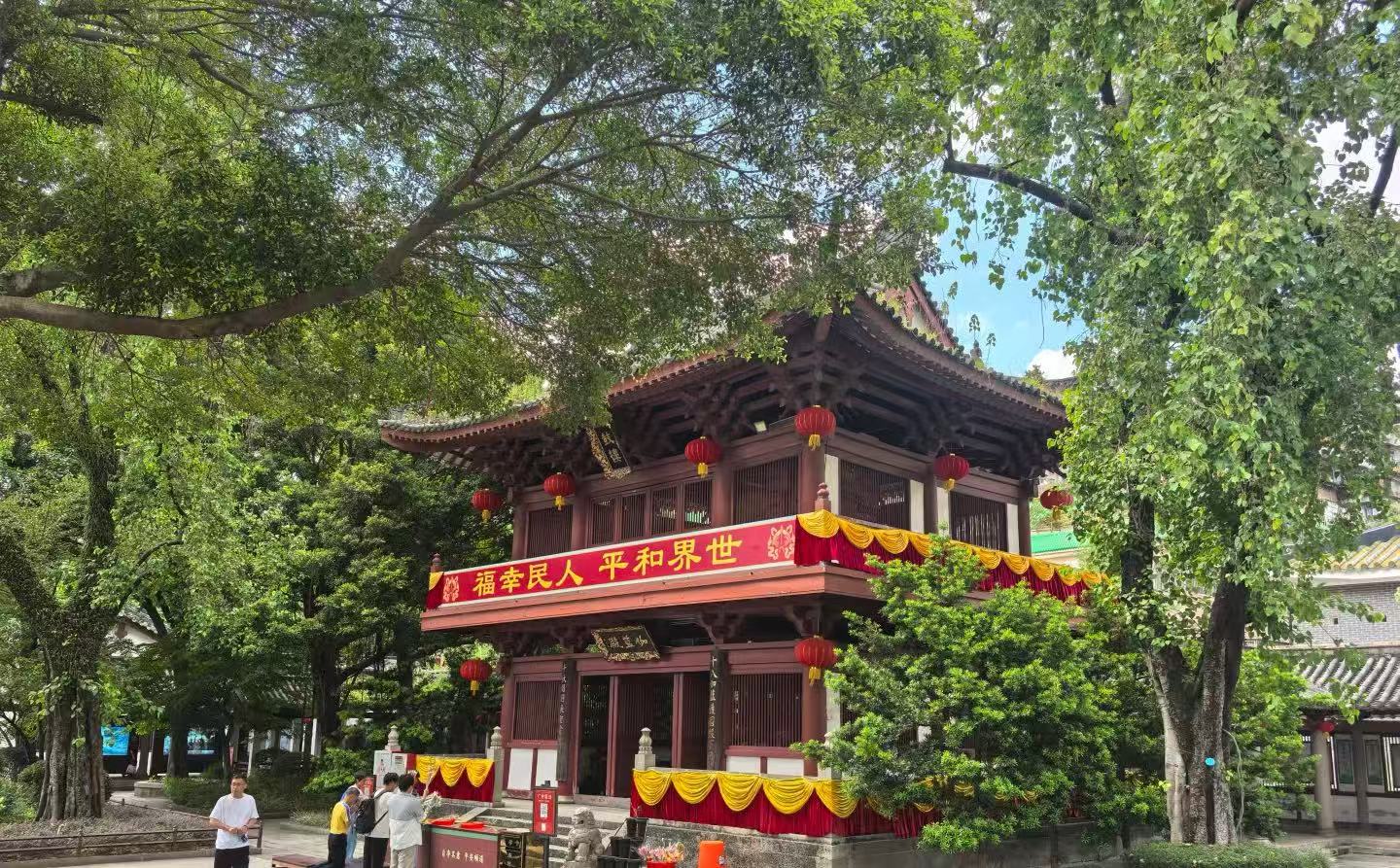
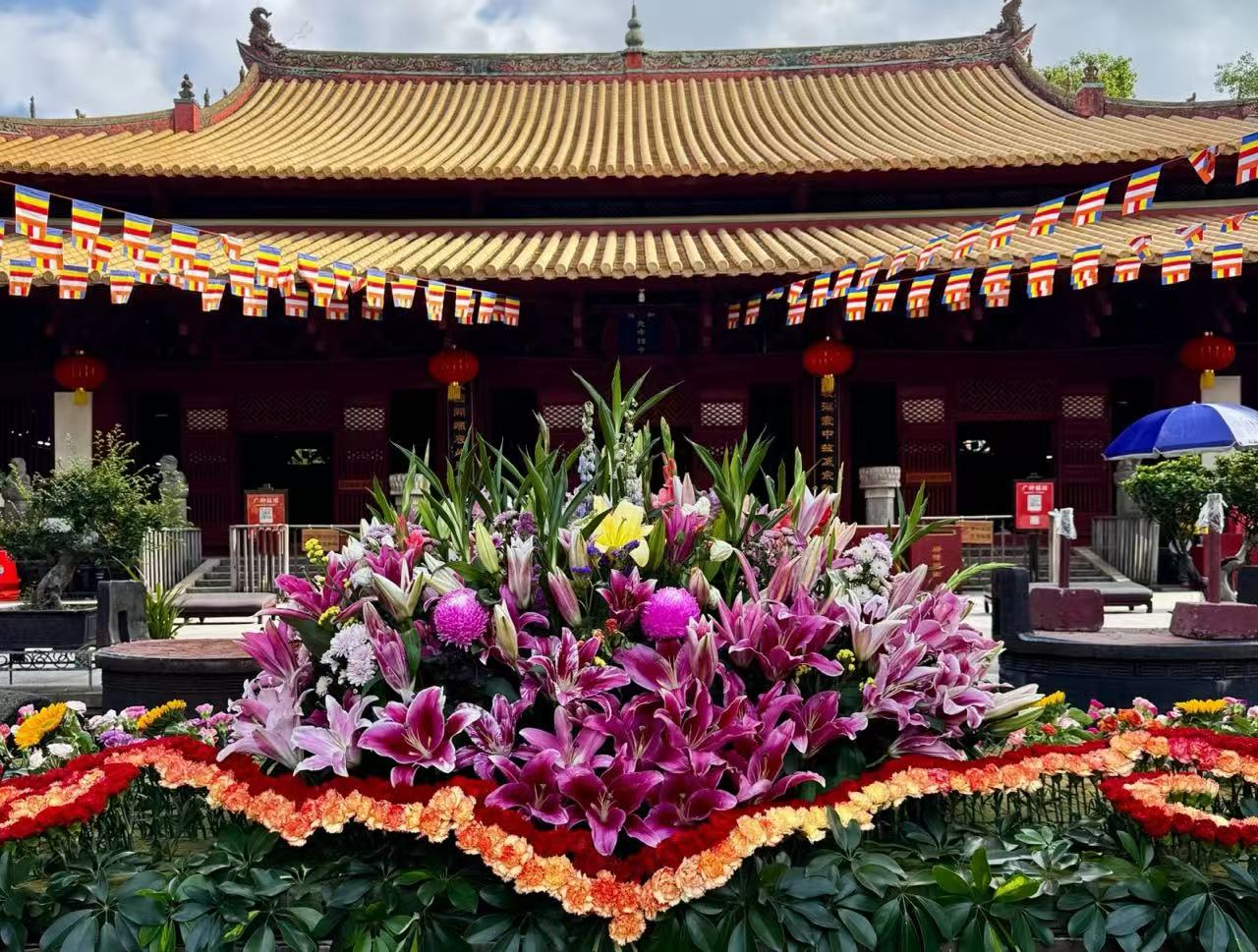
You can join simple rituals at guangxiao temple. Many visitors bring flowers as offerings. Each hall has a special flower and meaning. You see lilies in the Mahavira Hall. People hope for peace and good fortune. In the Ksitigarbha Hall, lucky bamboo-like flowers bring wishes for career success. Roses fill the Guanyin Hall, symbolizing love and helpful friends. Sunflowers or carnations in the Earth Treasury Hall stand for health and peace.
Here’s a guide to offerings:
Hall Name | Recommended Flower Type | Symbolism |
|---|---|---|
Mahavira Hall | Lilies | Peace and financial blessings |
Ksitigarbha Hall | 'Jie jie gao' (lucky bamboo-like flowers) | Rising career success |
Guanyin Hall | Roses | Relationships and helpful people |
Earth Treasury Hall | Sunflowers or carnations | Health and peace |
You don’t need to be Buddhist to take part. Just follow the quiet mood and show respect.
Recommended Routes for Travelers
Quick Visit (1 Hour)
You want to make the most of your time at Guangxiao Temple, even if you only have an hour. Here’s how you can see the best highlights without feeling rushed:
Enter through the main gate and take in the peaceful courtyard.
Head straight to the Mahavira Hall. You see golden Buddha statues and feel the calm atmosphere.
Walk over to the East and West Iron Towers. Snap a photo and notice their ancient details.
Stand under the Bodhi Tree. Take a moment to reflect or just enjoy the shade.
Visit the Guanyin Hall for a quick look at the beautiful artwork.
If you wish, light incense or offer a flower at one of the main halls.
Exit through the main gate, passing by the souvenir stalls.
Tip: Arrive early in the morning. You avoid crowds and enjoy a quieter experience.
In-Depth Exploration (2-3 Hours)
If you have more time, you can dive deeper into the temple’s history and culture. Here’s a suggested route that lets you experience everything at a relaxed pace:
Step | Activity Description |
|---|---|
1 | Start at Guangxiao Road Pedestrian Area. Explore shops selling Buddhist supplies and watch local worship practices. |
2 | Visit the temple’s exterior. Observe the traditional architecture and key areas like the Mahavira Hall. |
3 | Discover iconic features such as the ancient Bodhi tree and Iron Pagodas. Listen to stories from your guide or read the signs. |
4 | Participate in rituals. Offer fresh flowers and bow in prayer for good fortune. |
5 | Enjoy a simple vegetarian meal at the temple’s dining area. Taste seasonal ingredients and balanced flavors. |
You get a richer experience when you slow down and explore each corner. Take time to notice the details and join in the local customs.
Travel Tips for Visiting Guangxiao Temple
Dress Code & Etiquette
You want to feel comfortable and show respect when you visit Guangxiao Temple. Wear modest clothes that cover your shoulders and knees. Light, breathable fabrics work best, especially in summer. Avoid flashy outfits or loud prints. If you plan to enter the main halls, take off your hat and sunglasses. Speak quietly and move slowly. You might see monks or worshippers. Give them space and don’t interrupt their rituals. If you’re unsure about what to do, just follow the crowd and watch local customs. This simple advice helps you blend in and enjoy the peaceful atmosphere.
Tip: Bring a small scarf or shawl. You can use it to cover up if needed or shield yourself from the sun.
Photography & Audio Guides
You probably want to take photos of the beautiful halls and ancient trees. Photography is allowed in most outdoor areas, but avoid using flash inside the halls. Some spots have signs that say “No Photos.” Respect these rules. If you want to learn more about the temple’s history, grab a free English audio guide at the entrance. These guides help you understand the stories behind each hall and tower. You can listen as you walk, making your visit more interesting. If you want to buy offerings like flowers or incense, look for small shops near the entrance. Staff can help you choose the right items for each hall.
Tip: Use your phone or camera quietly. Don’t disturb others who are praying or meditating.
Accessibility & Facilities
Guangxiao Temple welcomes everyone. You’ll find ramps and wide paths for wheelchairs and strollers. Restrooms are clean and easy to find near the main gate. Drinking water is available at several spots. If you need help, ask the staff—they speak basic English and are happy to assist. The temple has benches in shady areas, so you can rest if you get tired. For the best experience, plan your visit during weekdays or early mornings. Off-peak months like June to August and December to February have fewer crowds, lower travel costs, and shorter lines.
Visiting tips: Arrive early, wear comfortable shoes, and bring a bottle of water. These simple travel tips make your day smoother.
Facility | Location | Notes |
|---|---|---|
Restrooms | Near main gate | Clean and accessible |
Benches | Courtyards, halls | Shady, good for resting |
Audio Guides | Entrance counter | Free, English available |
Offerings Shops | Entrance, side gate | Flowers, incense, souvenirs |
Food & Amenities Near Guangxiao Temple
Local Restaurants & Snack Streets
You get hungry after exploring the temple. Good news! You find plenty of tasty options nearby. Guangzhou is famous for its snacks and street food. You can walk to these popular spots:
Shangxiajiu Pedestrian Street: Try authentic Cantonese snacks. Tao Tao Ju and Guangzhou Restaurant serve classic dim sum and roast meats.
Huifu Gourmet Food Street: Taste Lingnan treats and Southeast Asian dishes. Meet the Noodle and Thai cuisine spots are favorites.
Beijing Road Pedestrian Street: Enjoy rice rolls and local specialties. This street buzzes with food stalls and small eateries.
Xihua Road: Discover time-honored brands. Locals love the old-school Cantonese flavors here.
Tiyu West Horizontal Street: Explore a lively food market. You see many cuisines in one place.
Longkou West Wind Food Street: Sample national dishes from all over China.
Tip: Try a bowl of wonton noodles or a plate of steamed rice rolls. These snacks are easy to find and taste great.
Restrooms & Souvenir Shops
You need a break or want to buy a keepsake. Restrooms sit near the main gate of Guangxiao Temple. They stay clean and easy to access. Benches in the courtyards let you rest your feet. Souvenir shops line the entrance and side gate. You find incense, prayer beads, and small statues. Staff help you pick the right gift or offering. Some shops sell postcards and local crafts. You can grab a cold drink or snack at small stalls nearby.
Amenity | Location | What You Find |
|---|---|---|
Restrooms | Main gate | Clean, accessible |
Souvenir Shops | Entrance, side gate | Incense, crafts, snacks |
Benches | Courtyards, halls | Shady spots for resting |
China Explorer Tour Options Nearby
You want to see more of Guangzhou after your temple visit. China Explorer Tour offers guided experiences that start close to Guangxiao Temple. Their One-Day Guangzhou Tour: Historical Landmarks & Cantonese Delicacies takes you to top spots like Chen Clan Ancestral Hall and Shangxiajiu Pedestrian Street. You taste local snacks, learn about history, and travel with a friendly guide. If you prefer a custom adventure, China Explorer Tour creates tailor-made itineraries just for you. You get expert help, smooth travel, and a deeper look at local culture.
Ready for more? Check out China Explorer Tour’s options for a richer, worry-free journey in Guangzhou.
More Guangzhou Travel Solutions
One-Day Guangzhou Tour by China Explorer Tour
If you want to see more of Guangzhou, this tour is a good choice. The One-Day Guangzhou Tour by China Explorer Tour helps you visit famous places and try tasty food. You go to spots like the Chen Clan Ancestral Hall and Xiguan Mansions. You eat Cantonese snacks at Shangxiajiu Pedestrian Street. Your guide tells stories and answers your questions. Every stop becomes fun and easy to understand. You ride in a private car, so you do not need to use public transport. Guides speak many languages, so you feel welcome no matter where you are from.
Tour Feature | What You Get |
|---|---|
Historical Landmarks | Chen Clan Hall, Xiguan Mansions |
Food Experiences | Cantonese snacks, local restaurants |
Private Transport | Comfortable, direct routes |
Multilingual Guides | English, Spanish, German, French |
You can book this tour for groups from 1 to 13 people. The tour gives you entrance tickets and snack tastings.
Learn more about the One-Day Guangzhou Tour
Tailor-Made Travel Experiences
If you want a trip that matches your style, you can choose a tailor-made tour. China Explorer Tour lets you pick your own plan for Guangzhou. Local guides make different plans for you to choose from. You can ask for changes based on what you like, such as history, food, or wellness. Your guide helps you find special places and learn about local customs. You get advice and help, so your trip feels easy and special.
Pick from many plans made by local experts.
Ask for changes to fit what you want.
Have great experiences with guides who know the city well.
You get help with planning, rides, and even language support. Your guide makes sure you see the best parts of Guangzhou, whether you travel alone or with friends.
Explore tailor-made travel experiences
Visit the official China Explorer Tour website
Tip: A tailor-made tour gives you more choices and helps you learn about the culture. You explore the city your way and make memories that last.
You know what you can do at Guangzhou Guangxiao Temple. Use the visitor tips above to plan your trip. The best time to go is early morning or on weekdays. Guided tours help you see more and make things easier. They give you expert advice and a clear plan. Look at the table below to see how guided tours and traveling alone are different:
Benefit | Guided Tour | Independent Travel |
|---|---|---|
Convenience | Easy and good for new visitors | You need to plan yourself |
Time Efficiency | Fast rides, saves time | You might spend time figuring out |
Support | Guides help you during your visit | You do everything alone |
China Explorer Tour lets you learn about local culture and helps you during your trip. Find more travel tips and ideas to make your Guangzhou visit special.
FAQ
How much time should you spend at Guangxiao Temple?
Most visitors spend one to three hours here. You can see the main halls, join a ritual, and relax under the ancient trees. If you love history, take your time and explore every corner.
Can you buy tickets online for Guangxiao Temple?
You cannot buy tickets online right now. You get your ticket at the entrance. The process is quick and easy. Arrive early to avoid waiting in line.
Is Guangxiao Temple suitable for kids and seniors?
Yes, the temple welcomes everyone. Wide paths and ramps make it easy for strollers and wheelchairs. Kids enjoy the gardens and stories. Seniors find benches and shade for resting.
What is the best way to include Guangxiao Temple in your guangzhou travel plans?
You can visit the temple in the morning, then explore nearby food streets or join a guided tour. This spot fits well with other city attractions, so you make the most of your day.
Are there any rules for taking photos inside the temple?
You can take photos in outdoor areas. Avoid flash and respect “No Photos” signs inside halls. Always ask staff if you are unsure. Quiet photography keeps the peaceful mood.