Discover the Unique Features of Datong Nine-Dragon Screen’s Architecture

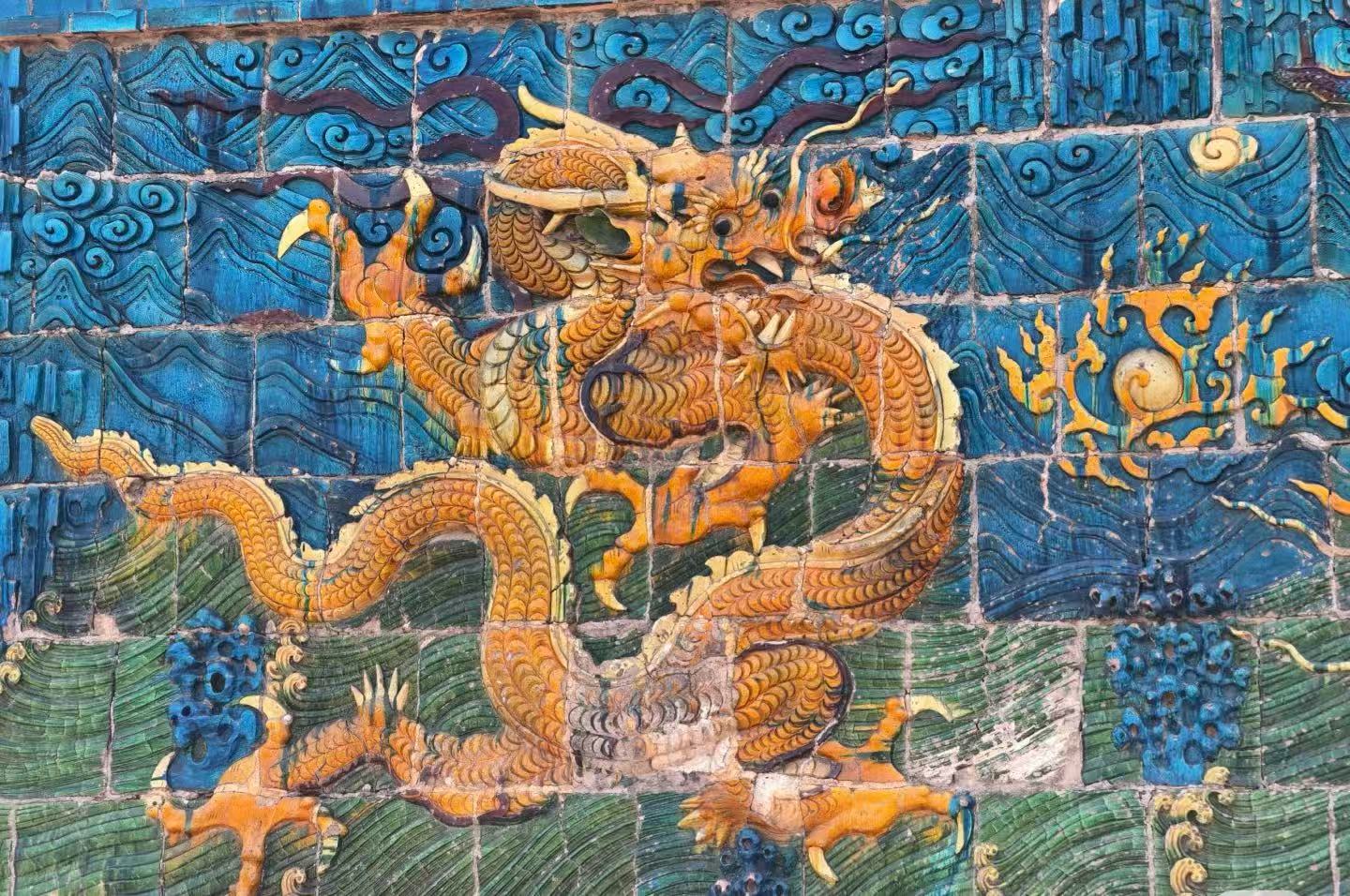
You stand in front of the nine dragon screen and see how big it is. The wall is more than 45 meters long and shows nine bright dragon shapes. Each dragon moves and rises above swirling clouds. The nine dragon screen uses glazed tiles with strong colors. The dragon bodies have special poses and bold faces. You can see deep carvings and dragon scales that look real. The nine dragon screen has a strong base, a wide body, and a fancy roof. The dragon art makes this wall different from others. You notice Datong Nine-Dragon Screen’s Daoist Symbolism in every part. The nine dragon screen gives a great view for anyone who likes dragon art.
Key Takeaways
The Datong Nine-Dragon Screen is the biggest and oldest one in China. It is 45.5 meters long and 8 meters high. Each dragon on the screen looks different and has its own color. The dragons stand for power and good luck in Chinese culture. The screen’s design uses Daoist symbols. The number nine means something is complete. It also shows a link between heaven and earth. The screen was built in the Ming Dynasty. It shows great skill with bright glazed tiles. These tiles have lasted for hundreds of years. When you visit, you can see its long history and beautiful art. This makes it a famous place to visit in Datong.
Structure of the Nine-Dragon Screen
Dimensions and Layout
When you stand before the nine dragon screen, you notice its impressive size right away. The wall stretches 45.5 meters in length. It rises 8 meters high and measures 2.02 meters thick. This makes the nine dragon screen the largest of its kind in China. The layout draws your eyes from the strong base up to the decorative roof. Each section fits together to create a sense of balance and grandeur. The nine dragons appear in a single row, each one spaced evenly across the body of the wall. You see how the design uses space to highlight every dragon’s unique movement and color. The screen’s proportions help the dragons look like they are leaping out from the wall, giving you a sense of energy and motion.
Pedestal, Body, and Roof Design
You can break down the nine dragon screen into three main parts: the pedestal, the body, and the roof. Each part has special features that make the screen stand out.
The pedestal stands 2.09 meters tall. It has a rectangular shape and displays 41 reliefs of two dragons playing with a pearl. In the narrow middle section, you find 75 glazed tiles showing different animals. These details add layers of meaning and beauty.
The body forms the main section of the nine dragon screen. At the bottom, you see a green wave pattern. At the top, blue and yellow clouds swirl above the dragons. The nine dragons each have their own color and pose. The central dragon shines with golden scales, while the others show off bold reds, blues, and greens. Each dragon looks different, with twisting bodies and fierce faces. These dragons symbolize power over nature and protection.
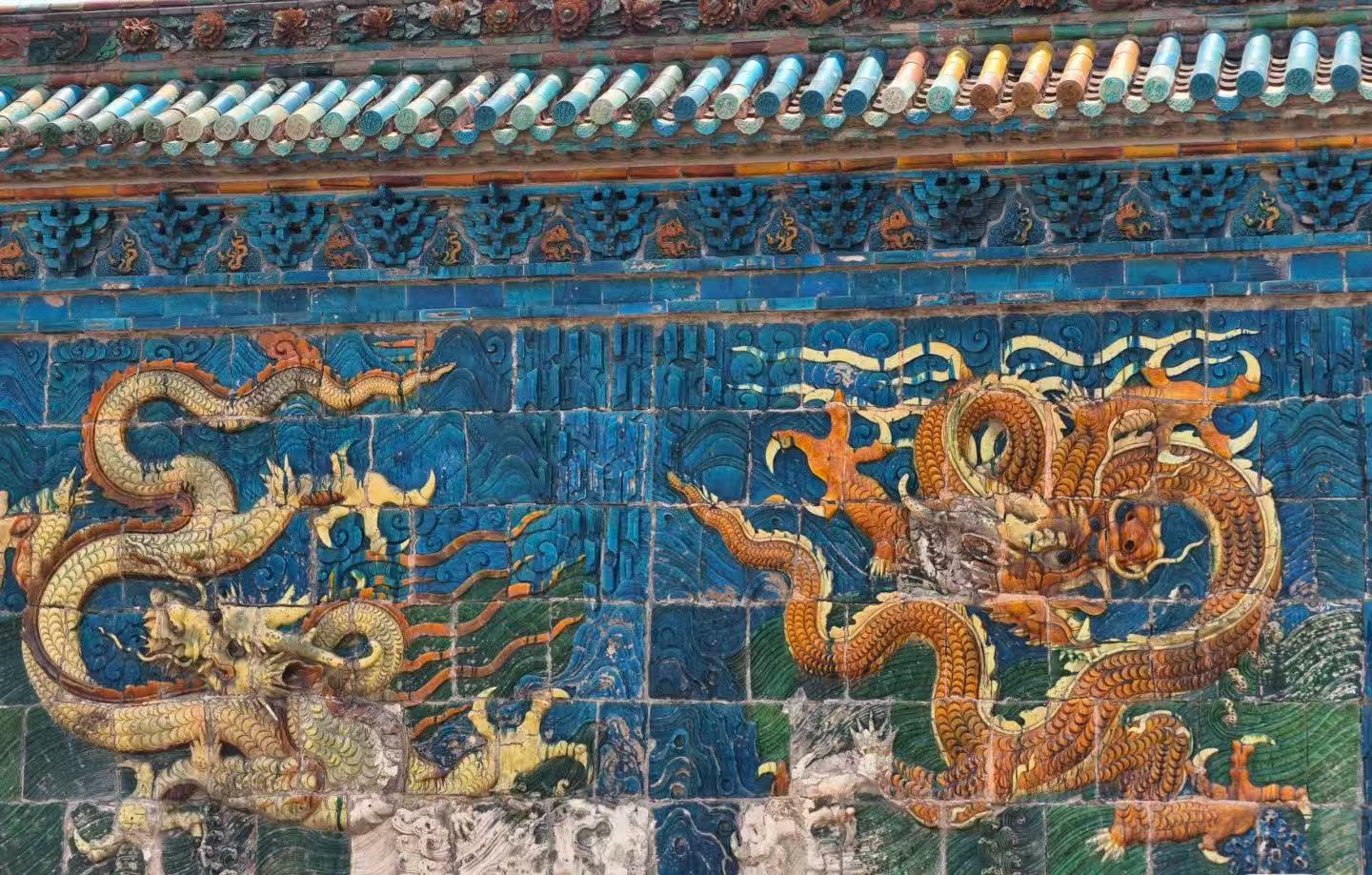
The roof sits above the dragons. It has a single eave with five ridges. The roof is covered with glazed tiles and decorated with high-relief carvings. Along the ridges, you spot dragon-shaped ornaments and mythical beasts. These details give the roof a lively and majestic look.
Tip: When you visit, take time to look at the carvings on the roof. You will find many small dragons and animals that add to the story of the nine dragon screen.
Comparison with Other Screens
You may wonder how the nine dragon screen in Datong compares to other famous screens in China. The table below shows the main differences and similarities:
Screen Location | Age | Size | Unique Features |
|---|---|---|---|
Datong | Oldest (Ming Dynasty) | Largest | Earliest of the three |
Forbidden City | Not specified | Exquisite design | Most exquisite among the three |
Beihai Park | Not specified | Largest with dragons on both sides | Noted for its size and dragon placement |
The nine dragon screen in Datong is the oldest and largest. You see the earliest example of this type of wall here.
The Forbidden City screen is famous for its fine and detailed design.
The Beihai Park screen stands out because it has dragons on both sides, making it unique in its own way.
When you visit the Datong nine dragon screen, you experience the grandest and most historic example. The size, the number of dragons, and the detailed carvings set it apart from the others. You get to see the roots of this special art form and understand why it remains a symbol of power and beauty in Chinese culture.
History of Nine Dragon Screen
Ming Dynasty Origins
The story of the nine dragon screen starts in the Ming dynasty. Datong Nine-Dragon Screen changed Chinese art and building styles. The screen is more than 600 years old. It is the oldest and biggest glazed screen in China. The wall was made for Zhu Gui. He was the thirteenth son of Zhu Yuanzhang, who was the first Ming emperor. The screen was built during the Hongwu era. This time had many stories about dragons and emperors. Datong Nine-Dragon Screen is older than the screens in the forbidden city and Beihai Park by over 300 years. Datong became a sign of qing dynasty’s military power and culture.
Feature | Details |
|---|---|
Age | Over 600 years old |
Significance | |
Built for | Thirteenth son of Zhu Yuanzhang, first Emperor of the Ming Dynasty |
Dimensions | Height: 8m, Thickness: 2.02m, Length: 45.5m |
Composition | 426 specially-fired glazed bricks |
Historical Context | Built during the Ming Dynasty (1368-1644) |
Construction Techniques and Materials
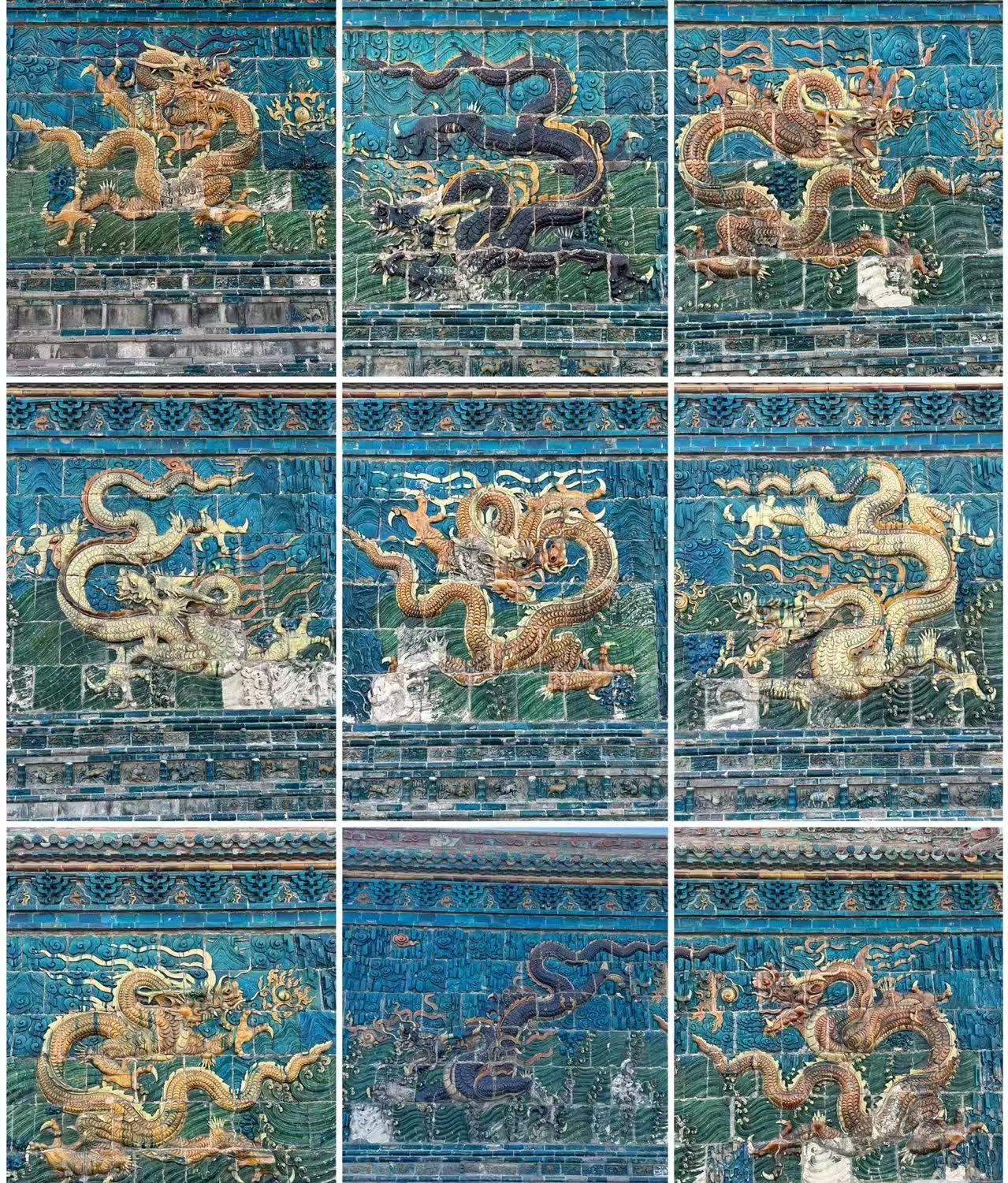
The screen uses 424 glazed bricks with bright colors. Each brick was baked at high heat to make it strong. The builders made the wall look like wood. Every dragon has its own color, pose, and face. Artists shaped the dragons to show movement and strength. The design shows the legend of dragons as protectors and symbols of emperors. The forbidden city and Beihai Park screens used these ideas too. Datong’s screen is still the biggest and most detailed.
Material/Technique | Description |
|---|---|
Glazed Bricks | 424 colorful glazed bricks used in construction. |
Imitation Wood Structure | Features an imitation wood structure. |
Unique Dragon Designs | Each dragon is uniquely designed in color, posture, and expression. |
Preservation Over Time
Datong Nine-Dragon Screen has lasted for hundreds of years. The wall faced bad weather and changes in rulers. The qing dynasty kept the screen safe as a sign of power and legend. Local people and experts helped save the colors and carvings. Today, you can see the screen’s bright tiles and clear details. The forbidden city and Beihai Park screens were also cared for. Datong’s screen is special because of its age and size. The history of nine dragon screen shows how art and stories can last a long time.
Note: When you visit, look for places that were fixed. These repairs help keep the screen beautiful for everyone in the future.
Dragon Reliefs and Artistic Details
Nine-Dragon Motifs
When you look at the nine dragon screen, you see nine dragons stretching across the wall. Each dragon has a unique pose and color. The dragons twist and turn, showing movement and strength. You notice the dragons have fierce faces and sharp claws. The dragons seem to leap out from the wall, making the nine dragon screen feel alive. These dragons are not just decorations. They act as symbols of power and fortune. The nine-dragon design stands out because it is the oldest and largest in China. The nine dragon screen in Datong measures 45.5 meters long and 8 meters high. It uses 426 colored glass pieces. Other nine-dragon screens, like those in Beijing, do not match its size or history. The nine dragon screen in Datong is an extraordinary piece of art. You see how the coiling dragons create a sense of balance and energy. Each dragon becomes a symbol of strength and guardians of the space.
Symbolism and Daoist Influence
You find deep meaning in every dragon on the nine-dragon screen. In Chinese culture, the dragon is a symbol of power and good fortune. The nine dragons together show unity and strength. The number nine is special in Daoism. It stands for completeness and the highest level of achievement. When you see the dragons, you see symbols of power and good fortune. The dragons also protect the area. They act as guardians, keeping away bad luck and bringing fortune. Daoist beliefs shape the design. The dragons move through clouds and waves, showing the link between heaven and earth. The nine dragon screen becomes a masterpiece that blends art and spiritual meaning. You can feel the fortune and power that the dragons bring to the place. The screen is not just a wall. It is a masterpiece of ceramic artistry and a symbol of hope and success.
Decorative Glazing and Colors
You notice the bright colors on the nine dragon screen right away. The dragons shine in yellow, blue, and green. The artists used special glazing techniques to make the colors last for centuries. The tiles still look bright and fresh today. The nine dragon screen shows the best craftsmanship from the Ming Dynasty. The colors and glazing are more detailed than other screens, like the one in the Forbidden City. The Datong screen uses glazed ceramic tiles to create fine details on each dragon. This technique makes the dragons look real and full of life. The nine dragon screen is a masterpiece and a piece of art that shows the skill of ancient builders. The colors and designs help the dragons stand out as symbols of power and fortune.
Tip: When you visit, look closely at the dragons’ scales and faces. You will see how the artists used color and glaze to make each dragon special.
The nine dragon screen features dragons glazed in brilliant colors such as yellow, blue, and green.
The craftsmanship allows the tiles to maintain their vibrant appearance for centuries.
The screen serves both as a spiritual protector and a showcase of artistic mastery from the Qing Dynasty.
You see how the nine dragon screen combines art, culture, and spiritual meaning. The dragons, colors, and designs make it a true masterpiece and a symbol of fortune and power.
Datong Nine-Dragon Screen’s Daoist Symbolism
Cultural and Spiritual Meaning
When you stand before the Datong Nine-Dragon Screen, you see more than just art. You see a wall filled with deep meaning. The dragons on the screen show the connection between humans and the heavens. In Daoism, the dragon is a symbol of balance and harmony. You notice that each dragon moves through clouds and waves. This shows the link between earth and sky. The number nine is important in Daoism. It stands for the highest level of achievement. The Datong Nine-Dragon Screen’s Daoist Symbolism teaches you about reaching your best self.
The emperor used the dragon as a sign of his power. You see how the dragons protect the emperor and his family. The Datong Nine-Dragon Screen’s Daoist Symbolism also shows the wish for good luck and safety. Each dragon brings strength and hope. The emperor wanted to show his rule came from the heavens. You can feel the power of the dragons as you look at their fierce faces and strong bodies.
Note: When you visit, think about how the Datong Nine-Dragon Screen’s Daoist Symbolism connects the emperor, the people, and the spirit world.
Influence on Chinese Architecture
You can see the Datong Nine-Dragon Screen’s Daoist Symbolism in many buildings across China. The dragon became a common design in palaces, temples, and gardens. The emperor wanted to show his power and wisdom, so he used the dragon in many places. The Datong Nine-Dragon Screen’s Daoist Symbolism inspired artists and builders for hundreds of years.
Here are some ways the screen influenced Chinese architecture:
Builders used dragon carvings on roofs and walls.
The emperor placed dragon symbols in important halls.
Many screens and gates copied the style of the Datong Nine-Dragon Screen.
The Datong Nine-Dragon Screen’s Daoist Symbolism helped shape the look of Chinese buildings. You can see the dragon as a sign of power and protection. The emperor’s wish for a strong and safe country lives on in these designs. When you visit other sites, look for dragons and remember the lessons from the Datong Nine-Dragon Screen.
Experiencing the Nine-Dragon Screen with China Explorer Tour
Immersive Local Experiences
When you visit the Datong Nine-Dragon Screen with China Explorer Tour, you step into a world of color and legend. You see nine dragons, each with a different pose, stretching across the largest and oldest glazed-tile screen wall in China. The wall stands three times larger than the one in Beihai Park, Beijing. You notice the bright yellow, blue, green, and turquoise tiles. Each dragon shines with power and good fortune. Local guides walk with you and share stories about the dragons and their meaning. They explain how the wall protected a prince’s home from evil spirits during the Ming Dynasty. You learn why dragons stand for strength and imperial authority in Chinese culture.
Tip: Visit at sunset to see the colors glow. Your guide will point out how the light changes the look of each dragon.
Tailored Tours and Hidden Gems
China Explorer Tour helps you explore more than just the famous wall. You join walking tours of Datong’s Old Town. You see the city walls and discover hidden corners. Your itinerary can include other wonders like the Yungang Grottoes, Hanging Temple, and Huayan Temple. You choose what you want to see, and your guide makes it happen.
DAY | PLACE | HIGHLIGHTS |
|---|---|---|
4-5 | Datong | Yungang Grottoes, Nine Dragon Screen, Hanging Temple, Huayan Temple |
You get a travel plan that fits your interests. You find both classic stops and secret spots that most tourists miss.
Cultural Insights for Travelers
Your experience goes beyond sightseeing. Local guides give you detailed explanations about the Nine-Dragon Screen’s history and art. They show you the fine details and tell you why each dragon looks different. You understand the craftsmanship and the meaning behind every tile. With China Explorer Tour, you use smart tools that help you learn more about each site. The AI-powered marketing tool helps match your interests with the best experiences. You get a tour that feels personal and tech-savvy. You leave with stories and knowledge that last a lifetime.
Note: With China Explorer Tour, you do not just see the Nine-Dragon Screen—you experience its spirit and secrets.
Architectural Significance and Legacy
Largest Nine-Dragon Screen in China
You stand before the largest and oldest existing nine dragon screen in China. The Datong Nine-Dragon Screen stretches over 45 meters long and rises 8 meters high. You see how the wall dominates the space with its size and bright colors. The screen uses hundreds of glazed tiles, each one crafted to last for centuries. When you look at the dragons, you notice their bold shapes and vivid details. The wall’s size makes it a landmark in Chinese architecture. Many visitors come to Datong just to see this screen. You learn that no other nine-dragon screen in China matches its scale or age. The Datong Nine-Dragon Screen is described as the oldest and largest glazed screen in China, which proves its place as the biggest of its kind.
Tip: Stand at the center of the wall to see all nine dragons at once. You will feel the power and energy that the screen brings to the area.
Impact on Later Designs
You discover that the Datong Nine-Dragon Screen inspired many later buildings. Artists and builders saw its beauty and wanted to copy its style. You find dragon carvings on palace walls, temple roofs, and garden gates across China. The screen’s design set a standard for how dragons should look in art and architecture. Builders used similar glazed tiles and relief carvings in their own projects. You notice that the number nine appears often in Chinese buildings. The Datong screen helped make this number a symbol of power and luck. When you travel with China Explorer Tour, you learn how the screen’s legacy lives on. Guides show you other sites where dragon motifs and glazed tiles appear. You see how the Datong Nine-Dragon Screen changed the way people build and decorate important places.
Influence on Architecture | Examples You Can See |
|---|---|
Dragon carvings | Palace walls, temple roofs |
Glazed tile techniques | Garden gates, city screens |
Use of number nine | Imperial halls, ceremonial sites |
Note: Ask your guide about the places where you can find dragon designs inspired by the Datong Nine-Dragon Screen. You will see how one wall shaped the look of Chinese culture.
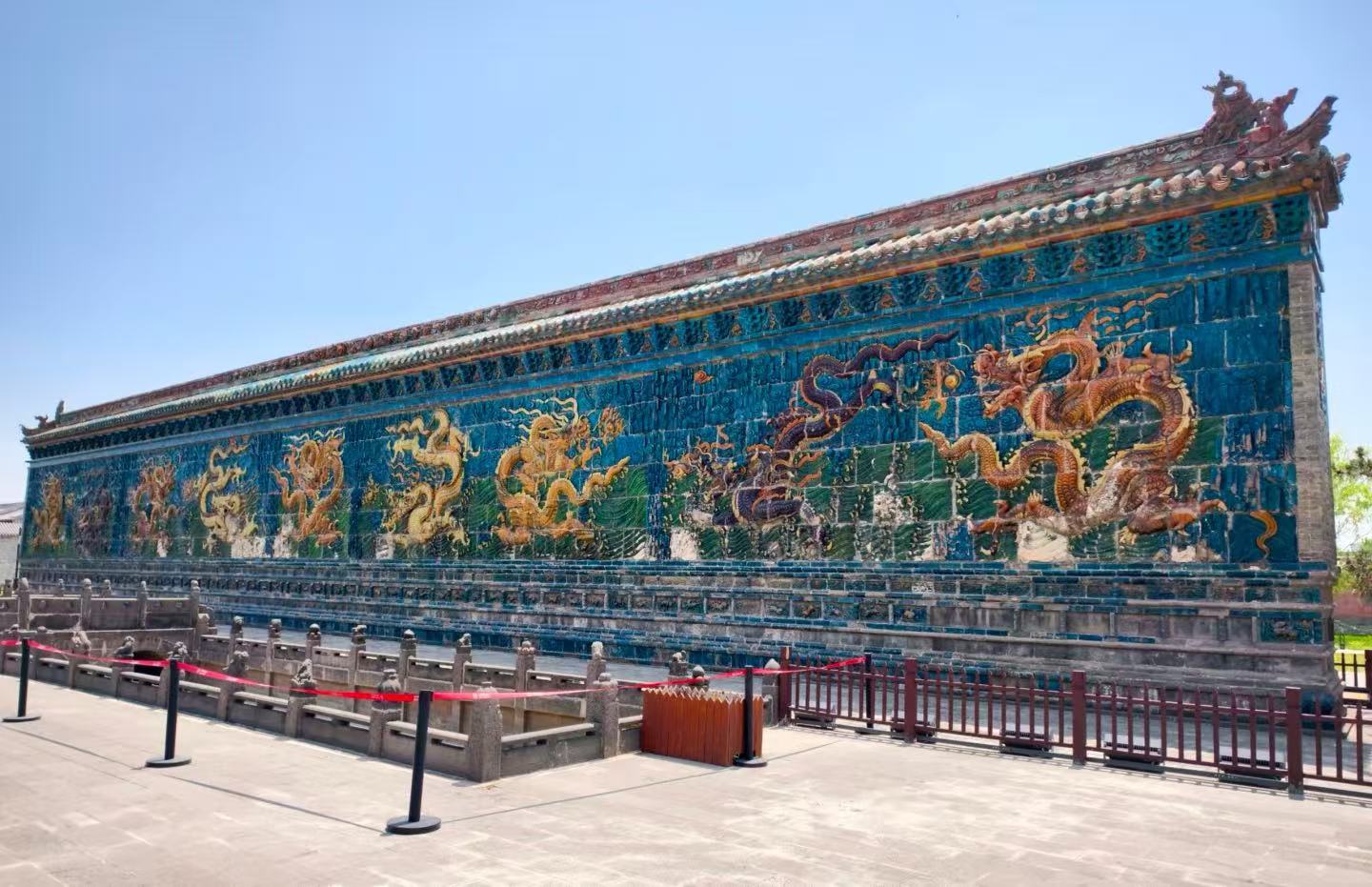
You notice the nine dragon screen is the oldest and biggest in China. The wall has nine dragons that look real and are carved with care. This place shows the skill of old Chinese artists.
Feature | Description |
|---|---|
Historical Origin | The nine dragon screen was built in 1392. It is one of China’s oldest dragon walls. |
Artistic Design | Dragons, clouds, and waves are made from colorful glazed tiles. |
Symbolism | The wall stands for protection and imperial power. |
You can see these amazing things with China Explorer Tour. This AI-powered tool helps you have a real and fun trip. |
FAQ
What makes the Datong Nine-Dragon Screen unique?
You see the largest and oldest nine-dragon screen in China. The wall uses bright glazed tiles and features nine dragons with different poses. Each dragon shows power and movement.
Can you visit the Nine-Dragon Screen with a guide?
You can join a guided tour with China Explorer Tour. Local experts share stories and explain the art. You learn about the dragons and their meaning.
How do the dragons show Daoist symbolism?
You notice each dragon moves through clouds and waves. The number nine stands for achievement in Daoism. The dragons protect the area and bring good luck.
What is China Explorer Tour’s AI-powered marketing tool?
China Explorer Tour uses AI to match your interests with the best experiences. You get a travel plan that fits your style. The tool helps you discover hidden gems and local culture.