Discovering Anhui Cuisine for First-Time Food Lovers

Anhui cuisine is a tasty type of Chinese food. It comes from the mountains and rivers in Anhui province. You can try new flavors and eat real, local dishes. If you like adventure, this food lets you find something special and real for the first time.
Key Takeaways
Anhui cuisine has special tastes from wild herbs, mushrooms, and game meats. Each dish gives you a new experience.
Slow ways of cooking, like braising and stewing, bring out the food's real taste. This makes the meals filling and full of flavor.
Eating Anhui food lets you learn about the area's long history and culture. It helps you understand Chinese cooking traditions better.
Anhui Cuisine in Chinese Cuisine
What Makes Anhui Cuisine Unique
You may ask what makes Anhui cuisine different from other Chinese food. Anhui cuisine, also called Hui or Hui cai, comes from the mountains and rivers in Anhui province. The food uses wild things like mushrooms, herbs, and game meats. Chefs often cook by braising or stewing. These slow ways of cooking make the food soft and full of flavor.
Every bite tastes fresh, like the mountain air. Cooks use local herbs and wild foods to keep the real taste strong. They do not use heavy sauces. The food feels simple and natural. You can feel the area’s history and love for nature.
Wild foods like game, mushrooms, and herbs are used a lot.
Braising and stewing are the main ways to cook.
The food tastes earthy, savory, and fresh.
If you like trying new foods, Anhui cuisine lets you taste flavors you cannot find anywhere else. The slow cooking and wild foods make each meal feel special.
Place in Chinese Culinary Traditions
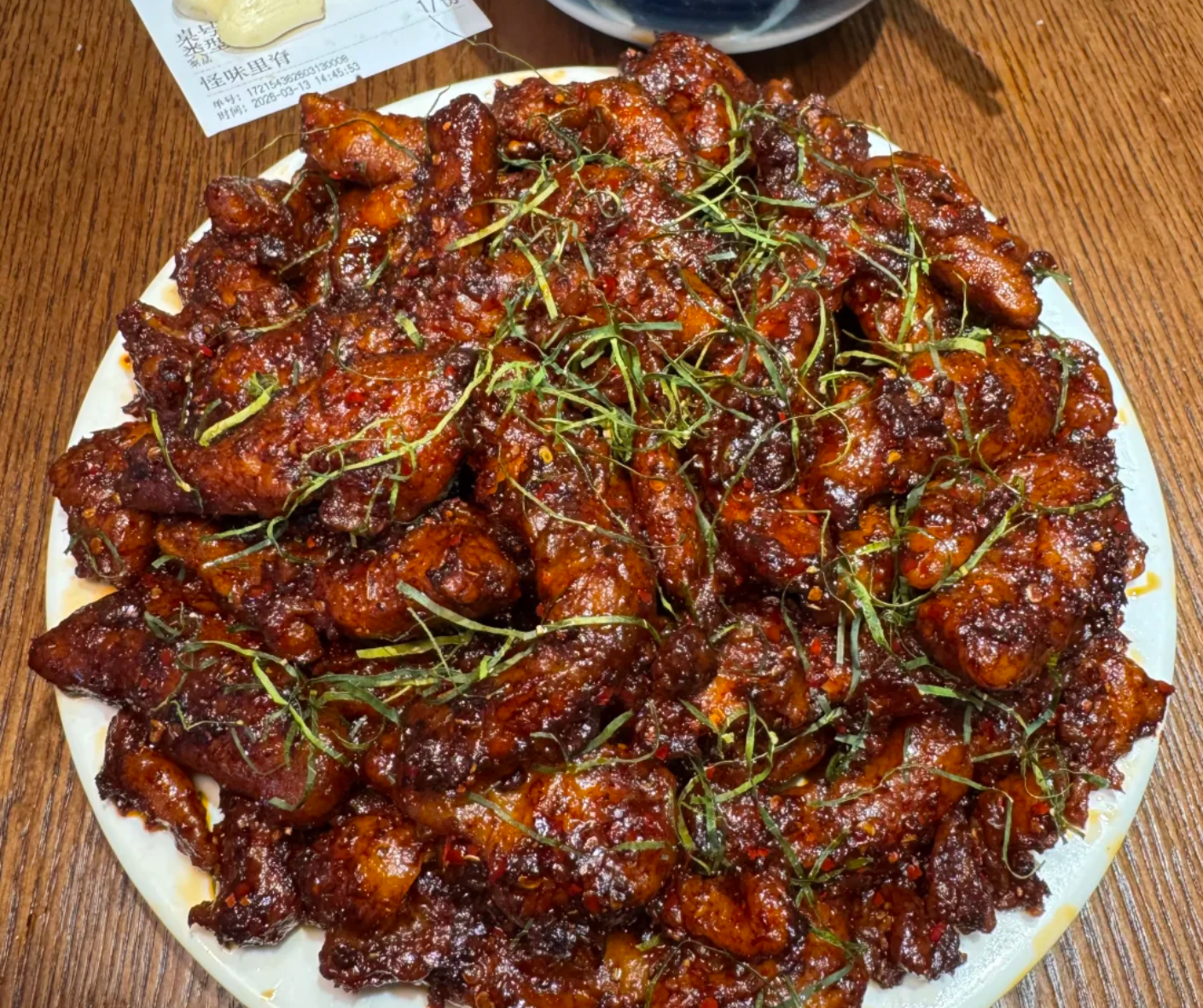
You may not hear about Anhui cuisine as much as other Chinese food styles. But it is still important in China’s food history. Hui cuisine is one of the Eight Culinary Traditions of China. This group has famous styles like Cantonese, Sichuan, and Shandong. Anhui cuisine is special because it uses simple recipes and wild herbs from the area.
Hui cuisine has been around for over a thousand years. Merchants from Anhui helped spread these cooking styles during the Ming and Qing dynasties. Even though it is not as well known outside China, it has changed how people cook and eat in the region.
Hui cuisine is one of the Eight Culinary Traditions of China.
It uses wild herbs and local foods.
The dish chop suey was made for Li Hongzhang in 1896 and shows its influence.
Many people outside China do not know much about Anhui cuisine. The dishes are filling and come from mountain villages. The flavors may seem strange if you are used to other Chinese food. The wild foods and herbs make tastes that are new to many people from other countries. You might think the flavors are bold and different, but that is part of the fun.
When you try Anhui cuisine, you find a hidden part of Chinese food. You get to taste dishes with lots of history and tradition, and you enjoy the special flavors from Anhui’s mountains and rivers.
Origins and Influences
Historical Roots
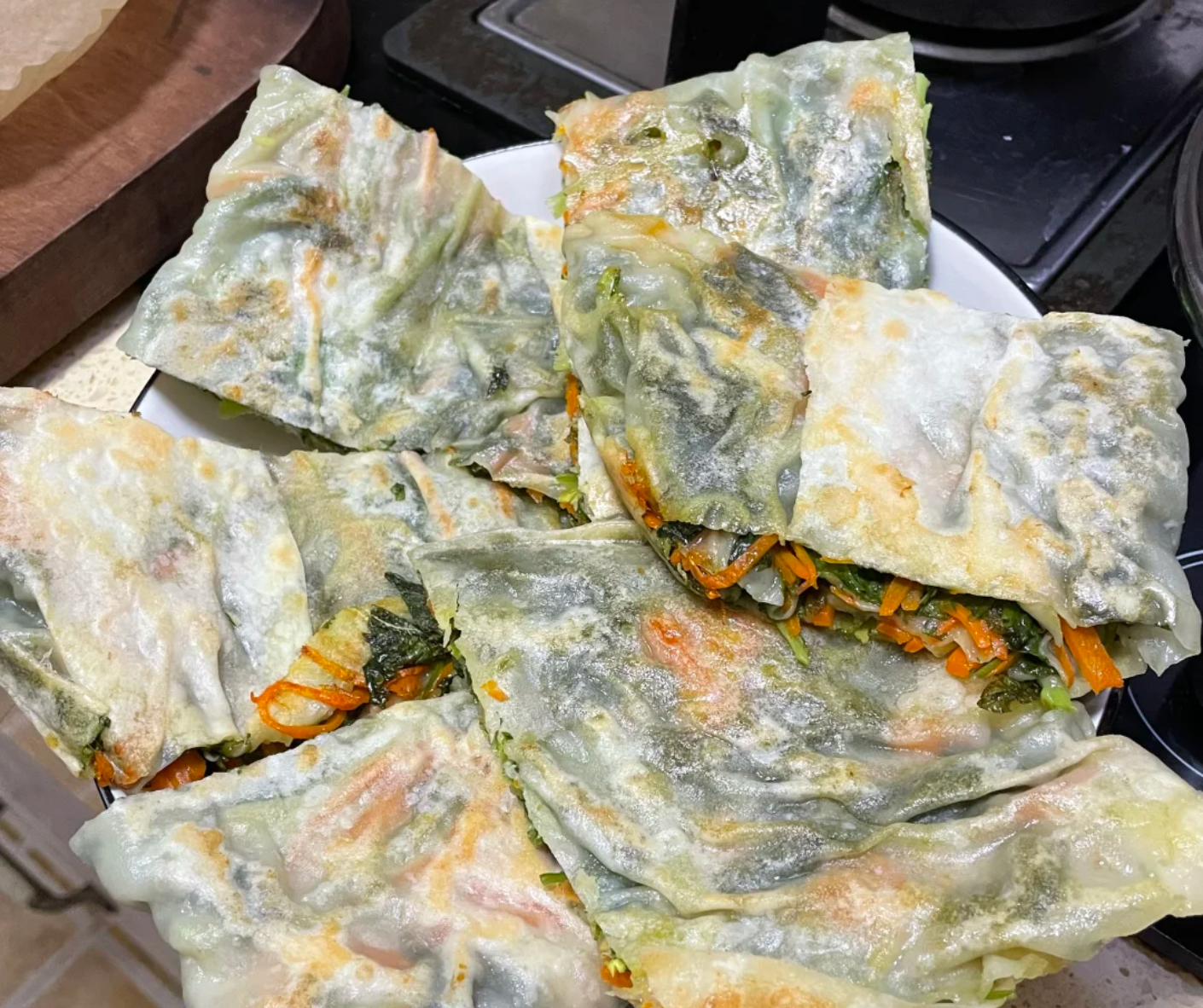
You may ask how Anhui cuisine began. It started in the Southern Song Dynasty. People in Anhui made their own cooking style. They used local flavors and easy ways to cook. Merchants came through Anhui and brought new foods and ideas. During the Ming and Qing Dynasties, Anhui cuisine grew bigger. Chefs mixed their old ways with styles from places near the Yangtze River. This made Hui cuisine more interesting and full of different tastes. You can feel history in each dish. The recipes changed over time but still keep the old spirit.
Local Geography and Ingredients
Anhui province has mountains, rivers, and forests. These places decide what foods you eat. The mountains give wild herbs, mushrooms, and game. The rivers bring fresh fish and help move food and ideas.
The mountains gave special wild foods for many Hui dishes. The Yangtze River brought fish and helped people share Hui culture.
You see these foods in many famous dishes. Chefs use what grows close by. They pick wild plants and catch fish from the river. The flavors taste earthy and natural. The food tastes like the land. If you like nature, you will enjoy Anhui cuisine. It connects you to the mountains and rivers. The land makes every meal feel real and special.
Signature Flavors and Techniques
Key Cooking Methods
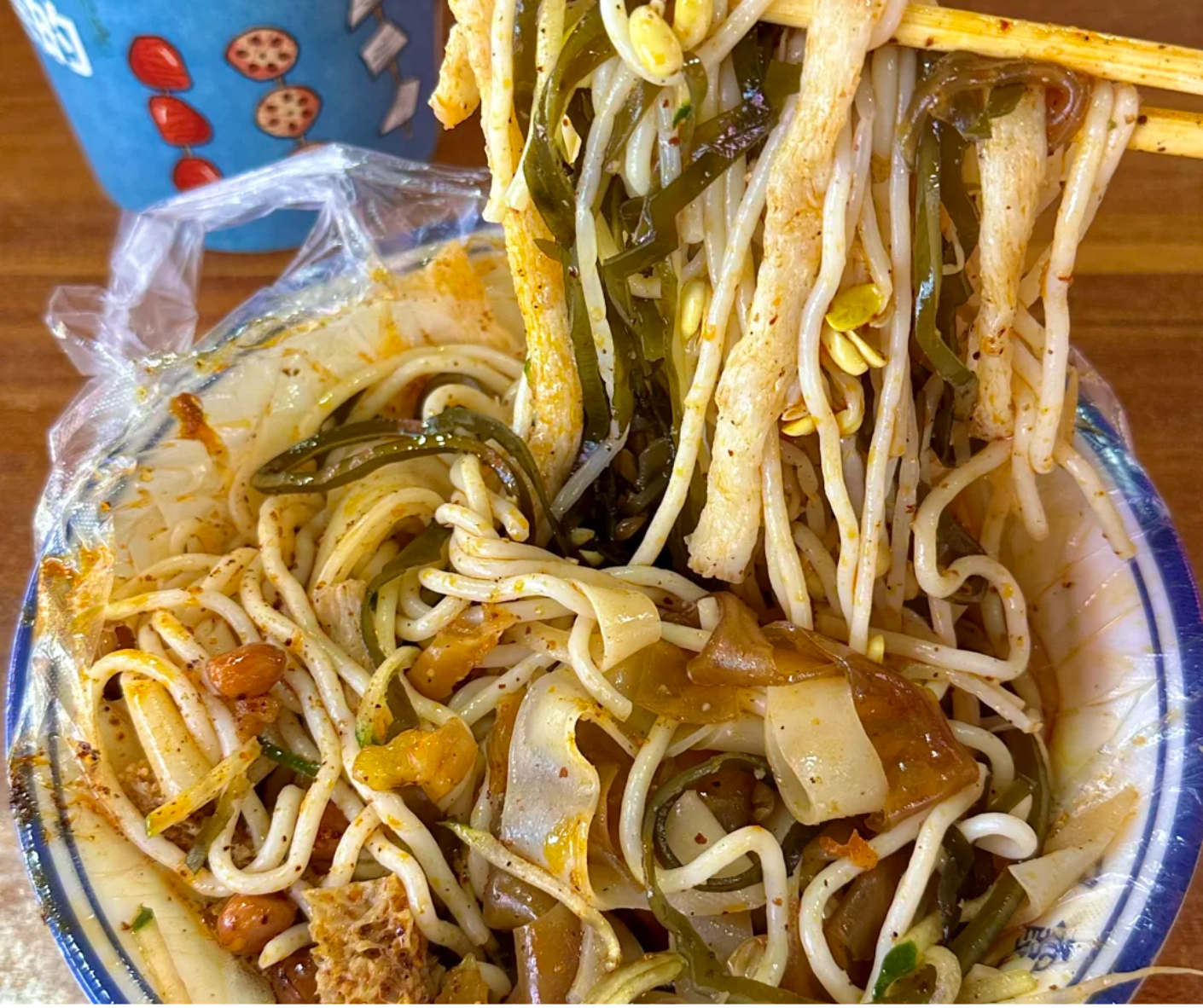
You may wonder how Anhui chefs make such tasty food. They use slow braising, gentle stewing, and careful steaming. These ways of cooking help you taste each ingredient. When you eat a braised dish, the meat is soft and juicy. Stewing brings out the deep taste in mushrooms and wild herbs. Steaming keeps fish and vegetables light and fresh.
These cooking styles keep the real taste of the food. You enjoy the natural flavors without strong sauces or spices hiding them. The gentle heat lets the food get just enough seasoning. Every bite feels fresh, like the mountains and rivers.
If you like food that feels simple and close to nature, Anhui cuisine gives you that feeling.
Distinctive Tastes and Presentation
Anhui dishes look simple and homey. Chefs use foods that grow nearby. You see wild mushrooms, river fish, and local herbs on your plate. The colors are earthy and natural. The way the food looks feels warm and friendly.
Here is how Anhui chefs keep their old ways but also make food for today:
Adaptation Method | Description |
|---|---|
Embrace local produce | Chefs use grains, vegetables, fruits, and herbs from the area to show what makes Anhui special. |
Tell ingredient stories | They talk about the history and meaning of local foods, so you learn about the culture. |
Experiment with tradition | Chefs bring back old recipes and cooking ways, but change them a little for people now. |
You taste bold, fresh, and savory flavors. The food fills you up and makes you happy. Each dish shares a story about the land and the people who live there.
Essential Ingredients in Anhui Cuisine
Wild and Local Ingredients
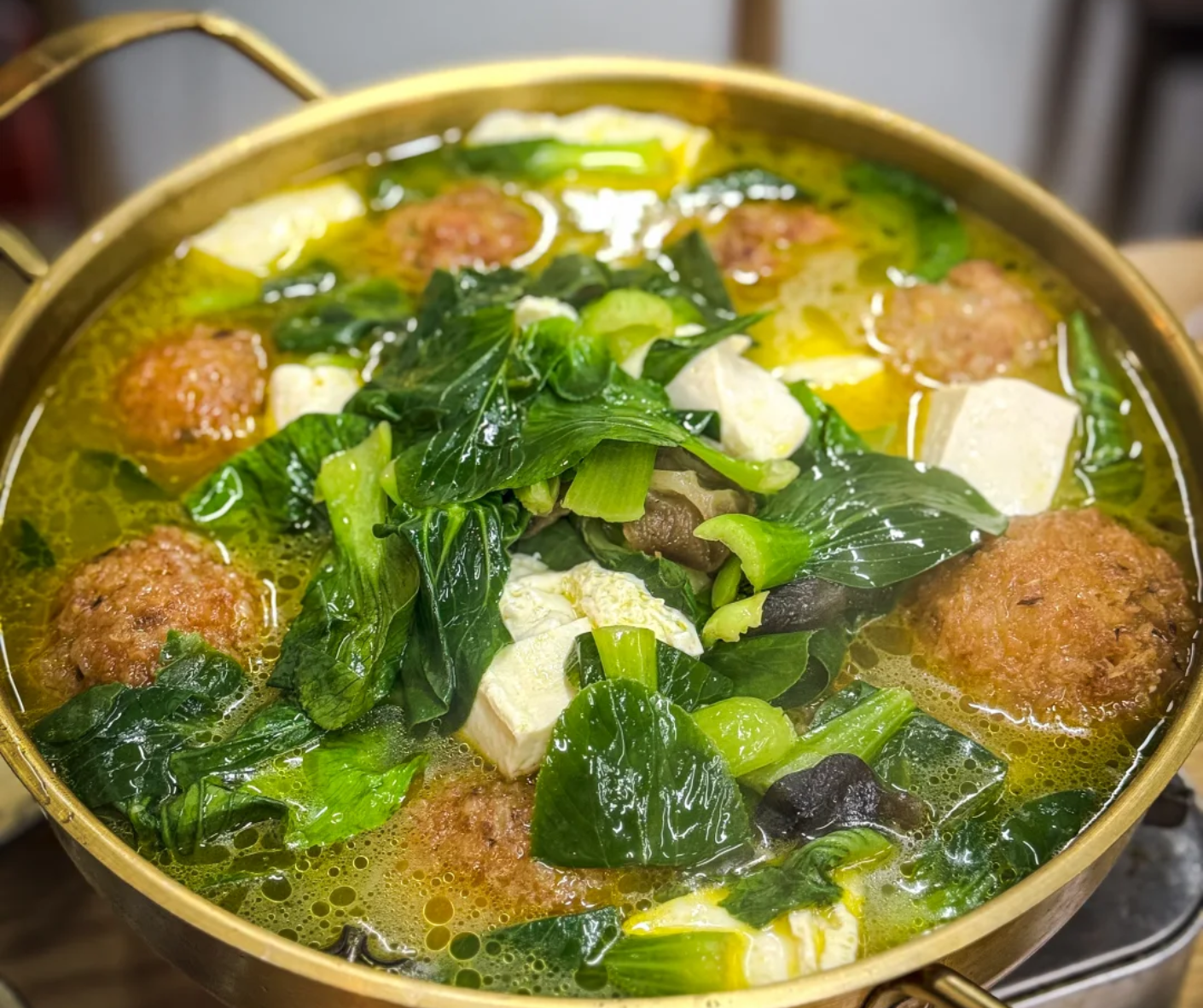
When you try Anhui food, you taste the land. The forests in Anhui have special mushrooms like matsutake and shiitake. Chefs pick these mushrooms in spring and fall. These mushrooms give dishes a deep, earthy taste. You also get a fresh feeling from the mountains. Bamboo shoots grow on the hills and make dishes crunchy. Local herbs like star anise, cinnamon, and fennel add gentle spice and sweet smells.
Cooks sometimes use wild plants from the woods. These plants add nice smells and are good for you. You feel close to nature when you eat these foods. Each plate has flavors from Anhui’s rivers, fields, and mountains.
Tip: To taste real Hui food, try dishes with fresh mushrooms or wild bamboo shoots. The flavors are surprising and remind you of the mountain forests.
Common Proteins and Vegetables
Hui cuisine uses many proteins and vegetables. Chefs cook with river fish, partridge, and sometimes turtle. Local people also eat pork, chicken, and beef from nearby farms. You will see dishes with leafy greens, winter melon, and radish. Recipes often mix wild herbs with fresh vegetables for a good balance.
Here is a quick look at how these foods help you stay healthy:
Ingredient | Nutritional Benefit |
|---|---|
Fungi | Full of flavor and nutrients |
Herbs and Vegetables | Used for health and a balanced diet |
Animal Proteins | Partridge and turtle give you energy and strength |
Eating Anhui food means you get more than new tastes. You also get health benefits from mountain mushrooms, fresh fish, and wild plants. These foods help keep meals simple, natural, and full of life.
Must-Try Anhui Dishes
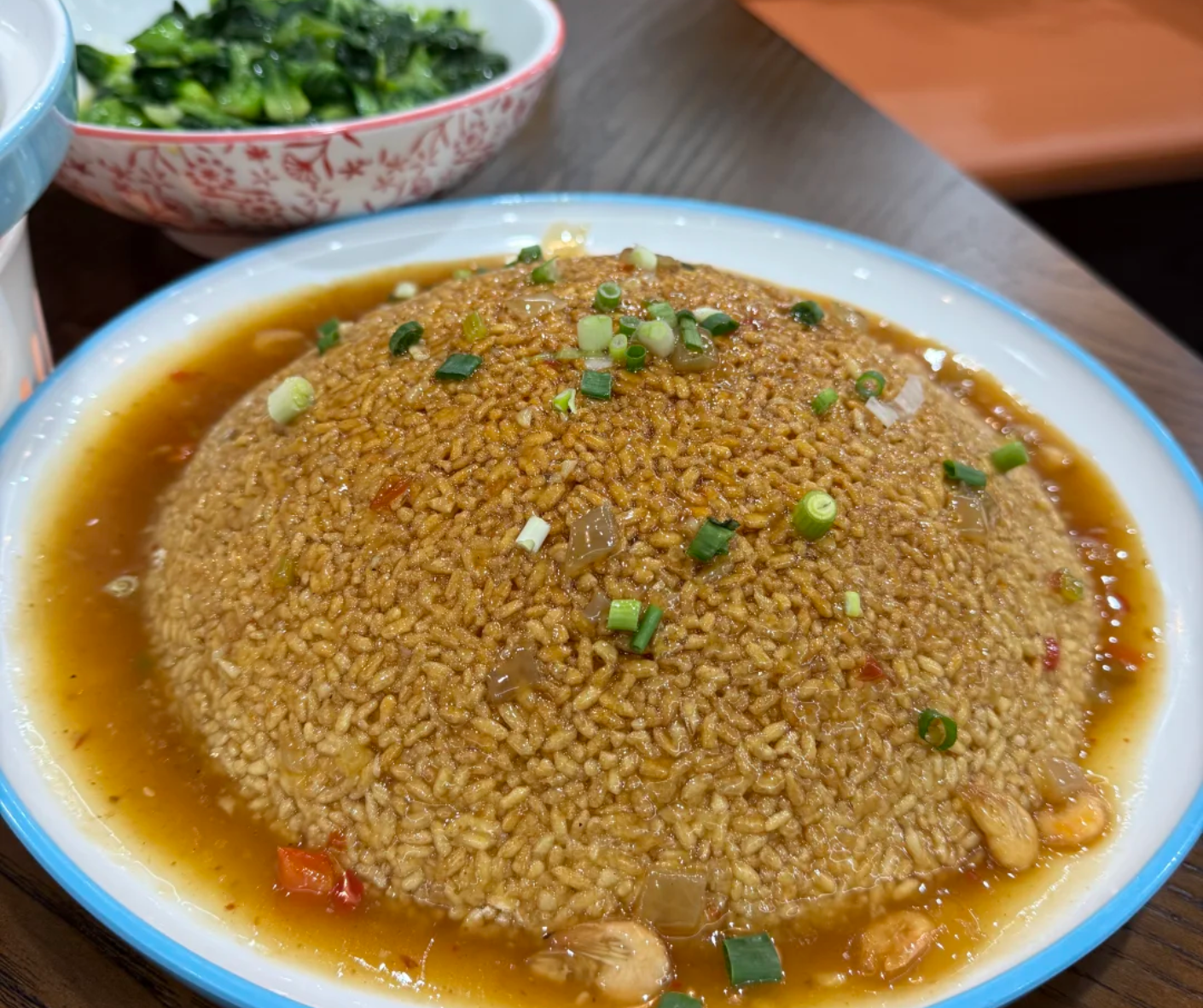
Classic Dishes for Beginners
You want to try something new? Anhui cuisine gives you plenty of choices. If you are a beginner, you can start with some tasty specialties. These dishes bring out bold flavors with simple methods. You can eat them at home or in a local restaurant.
Here’s a list of classic dishes popular with first-time tasters:
Stinky Mandarin Fish (Chou Guiyu)
You may notice a strong smell, but the taste feels clean and fresh. Chefs use fresh mandarin fish with roasted Sichuan peppercorn, salt, ginger, garlic, dried chili, Shaoxing wine, soy sauce, bamboo shoots, and minced pork. The fish becomes tender after slow braising. You get a hint of spice and a big punch of flavor.Fried Hairy Tofu
Look at its crispy outside and soft inside. This tofu is fermented and has tiny hairs on the surface. Cooks fry it until golden. The taste feels rich and earthy. You can dip it in sweet sauce for a fuller bite.Huangshan Stewed Pigeon
Try this dish for soft meat and herbal flavor. Local pigeon stews with Chinese yams. The broth turns clear and sweet. People say it restores energy and health.Steamed Partridge
You get tender partridge steamed with wild herbs. The meat stays juicy and full of natural flavor. Each bite brings harmony between nature and food.Li Hongzhang Hotchpotch
Want something with lots of textures? This dish mixes chicken, sea cucumber, tofu, squid, fish maw, ham, mushrooms, and other local goodies. It looks colorful and tastes smooth.Wenzheng Hill Bamboo Shoots
Chefs combine bamboo shoots, pork sausage, and dried mushrooms here. The shoots snap when you bite them. The whole dish feels cozy.
If you feel adventurous, you can ask for Steamed Ham and Turtle or Steaming Shiji. Cooks use soft-shelled turtles, ham, bamboo shoots, garlic, ginger, black pepper, and fungi. You get earthy flavors with a fun twist.
Tip: Bring your friends. Try two or three dishes from the list. You can taste both mild and bold flavors in Anhui cuisine without feeling overwhelmed.
Street Food and Local Favorites
You might notice that street food and local favorites feel different from what you see in fancy restaurants. Local cooks love to use fresh ingredients found nearby. They focus on slow braises and simple stews. Their food feels rustic and home-cooked.
In the street markets, you discover food made quickly but with care. Fried Hairy Tofu pops up everywhere. The smell pulls you in. You bite into a crispy shell and taste soft tofu. Street stalls sometimes sell bamboo shoots cooked with homemade sausage. You smell the mushrooms and feel the warmth.
Local favorites pay attention to feeling, not just sight. Street vendors pack flavor into every plate, using what is fresh that day. Restaurant-style dishes often look fancier, but sometimes you miss the honest, straight nature found in local spots.
Here’s a quick table so you can compare:
Street Food | Main Features |
|---|---|
Fried Hairy Tofu | Crispy outside, soft inside, bold aroma |
Bamboo Shoots Stir-fry | Crunchy texture, earthy mushrooms |
Stewed Pigeon Soup | Light broth, herbal notes |
Steam Partridge | Simple seasoning, juicy meat |
If you walk through an Anhui town, you see cooks drawing from nature. They serve food with little fuss, big taste, and warm smiles. Try something that looks unfamiliar. You may find a new favorite.
You want food that brings out the true spirit of Anhui cuisine? Go where locals eat. Ask them about their favorites. You hear stories and eat food that connects you to the land.
Experiencing Anhui Cuisine with China Explorer Tour
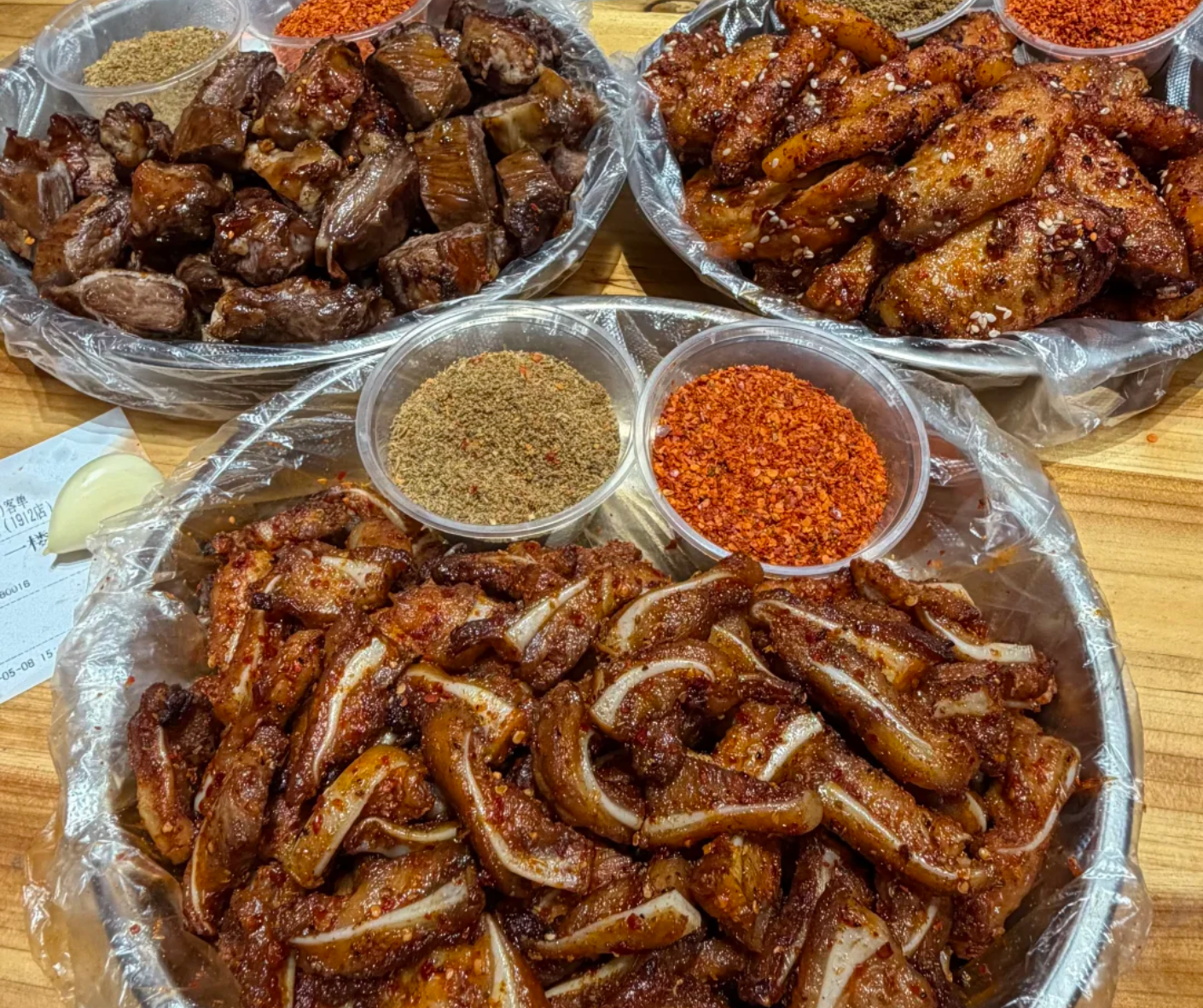
Culinary Tours and Local Experiences
You want to taste Anhui cuisine the way locals do? China Explorer Tour makes that possible. You join guided foodie tours that take you straight to the heart of Anhui’s food scene. You might try Mao Tofu at a busy market or sample Stinky Mandarin Fish in a family-run restaurant. These experiences help you understand why these dishes matter. Guides share stories about how each dish fits into the region’s history and culture. You don’t just eat—you learn what makes Anhui cuisine special.
When you travel with China Explorer Tour, you get more than just a meal. You meet local cooks, watch them prepare dishes, and sometimes even join in. You see how wild herbs and fresh river fish turn into hearty peasant food. This hands-on approach lets you enjoy authentic chinese food and brings you closer to the real flavors of Anhui.
Tips for First-Time Tasters
Trying a new cuisine can feel exciting and a little scary. Here are some tips to help you enjoy your first Anhui meal:
Start with mild flavors by asking for "mild" (mild spicy). This helps you build your taste for stronger dishes.
Try slow-cooked meats and forest mushrooms for a true taste of Anhui’s warmth.
If you’re not sure what to order, point to what others are eating and ask for "the same" (the same).
Share dishes with your group. Order one soup and one plate of dumplings for the table.
You’ll notice that Anhui cuisine often looks simple but tastes bold. Expect hearty stews, earthy mushrooms, and tofu dishes with strong aromas. The food usually comes in big bowls or plates, perfect for sharing.
Food brings people together. On a China Explorer Tour, you connect with locals and other travelers. You swap stories, learn new recipes, and discover the joy of sharing a meal. Ready to start your own food adventure? Visit China Explorer Tour to plan your journey.
You find what makes Anhui cuisine special when you eat wild herbs and slow-cooked meats. The flavors taste earthy and natural. Anhui food is different from other Chinese food. You notice how each dish connects you to nature and old traditions. Eating Anhui dishes helps you learn about food from different parts of China.
Aspect | Description |
|---|---|
Unique Ingredients | Wild herbs show the plants that grow in Anhui. |
Cooking Methods | Braising and stewing keep the real taste and healthy parts. |
Regional Traditions | Special ways of cooking show how regions are not the same. |
You can cook these dishes at home. Or you can join China Explorer Tour for a fun trip. Try more foods from other places and enjoy new tastes.
FAQ
What if I don’t like strong flavors?
You can ask for milder dishes. Try steamed partridge or bamboo shoots. These taste gentle and let you enjoy Anhui cuisine without feeling overwhelmed.
Can I join a food tour if I have dietary restrictions?
Yes! You tell your guide about your needs. China Explorer Tour helps you find dishes that fit your diet. You still get to enjoy local flavors.
How do I order Anhui dishes if I don’t speak Chinese?
You can point to menu pictures or ask your guide for help. China Explorer Tour guides make ordering easy. You won’t miss out on tasty food.